






Definition and Meaning
Proof of residency is a document or form that validates an individual's residence at a specific location. It's often required in various legal and official settings to confirm where someone lives. In many cases, this proof must be returned with an additional supporting document, such as a utility bill or lease agreement, to confirm residency. This requirement ensures that institutions can legally confirm an individual's address, which is essential in contexts like voting registration, school enrollment, or applying for certain state or federal benefits.
How to Use the Proof of Residency PLEASE RETURN WITH 1 DOCUMENT
Using the proof of residency form involves submitting it along with the required additional document, like a utility bill, rental agreement, or government-issued ID showing your current address. This ensures that the institution requesting the proof can verify the stated residence. Typically, you fill in personal information, including your name, address, and the date. Once completed, you submit it according to the instructions provided, which might involve mailing it to the requesting authority or submitting it online, if available.
Steps to Complete the Proof of Residency PLEASE RETURN WITH 1 DOCUMENT
-
Gather Required Documents: Collect a recent utility bill, lease agreement, or other official document that includes your name and address.
-
Fill Out the Form: Enter your full name, current address, and any other required details on the form. Make sure all information is accurate and legible.
-
Attach Supporting Document: Include the additional document mentioned earlier.
-
Submit the Form: Follow the specific submission guidelines, whether mailing it or delivering it in person to the designated office.
-
Keep Copies for Records: Retain a copy of both the form and the supporting document for your records in case there are any future inquiries.
Required Documents
To successfully complete the proof of residency form, the additional document must clearly associate your name with your current address. Examples include:
- Utility bills (electricity, water, gas)
- Lease agreements or rental receipts
- Bank statements featuring your address
- Driver's license or state ID with current address
Legal Use of the Proof of Residency PLEASE RETURN WITH 1 DOCUMENT
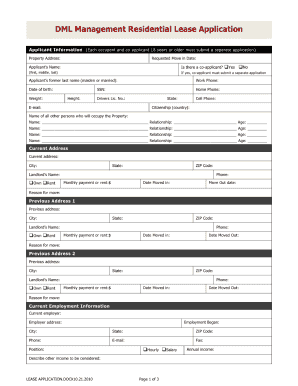
Proof of residency documents are often legally required to ensure compliance with regulations tied to residence. This can be crucial for enrolling children in the right school district, verifying eligibility for state programs, or establishing domicile for tax purposes. Additionally, property owners often require these forms during tenant application processes to ensure security and legal compliance concerning occupancy.
Important Considerations
- Privacy and Security: Ensure that any documents shared are transmitted in a secure manner to protect personal information.
- Legal Obligations: Providing false information can lead to legal penalties, so always ensure the information is truthful and accurate.
Who Typically Uses the Proof of Residency PLEASE RETURN WITH 1 DOCUMENT
The form is commonly used by:
- Government Agencies: For determining eligibility for benefits or voting registration.
- Educational Institutions: To confirm residency within a school's legitimized zone.
- Healthcare Facilities: To confirm residence for insurance or application purposes.
- Employers: For verifying accurate personal information for new hires or documentation.


State-Specific Rules for the Proof of Residency PLEASE RETURN WITH 1 DOCUMENT
In the U.S., regulations about what constitutes valid proof of residency can vary by state. It's essential to check state-specific guidelines. For instance:
- California: Requires up-to-date vehicle registration as one form of proof.
- Texas: Many institutions accept a valid voter registration card as proof.
Be sure to consult the relevant state's official website or contact the applicable office for the most current requirements.
Examples of Using the Proof of Residency PLEASE RETURN WITH 1 DOCUMENT
- Voting Registration: Jane needed to provide proof of residency to register for voting in her precinct.
- School Enrollment: Mark used his utility bill to prove residency when enrolling his children in a local school.
- Driver's License Renewal: When renewing her driver's license, Lisa submitted her lease agreement as proof of her current residence.
Each of these examples underscores the form's role in everyday administrative and legal processes, facilitating compliance with state and federal regulations.