






Definition & Meaning of Form 1040-X (Rev February 2024)
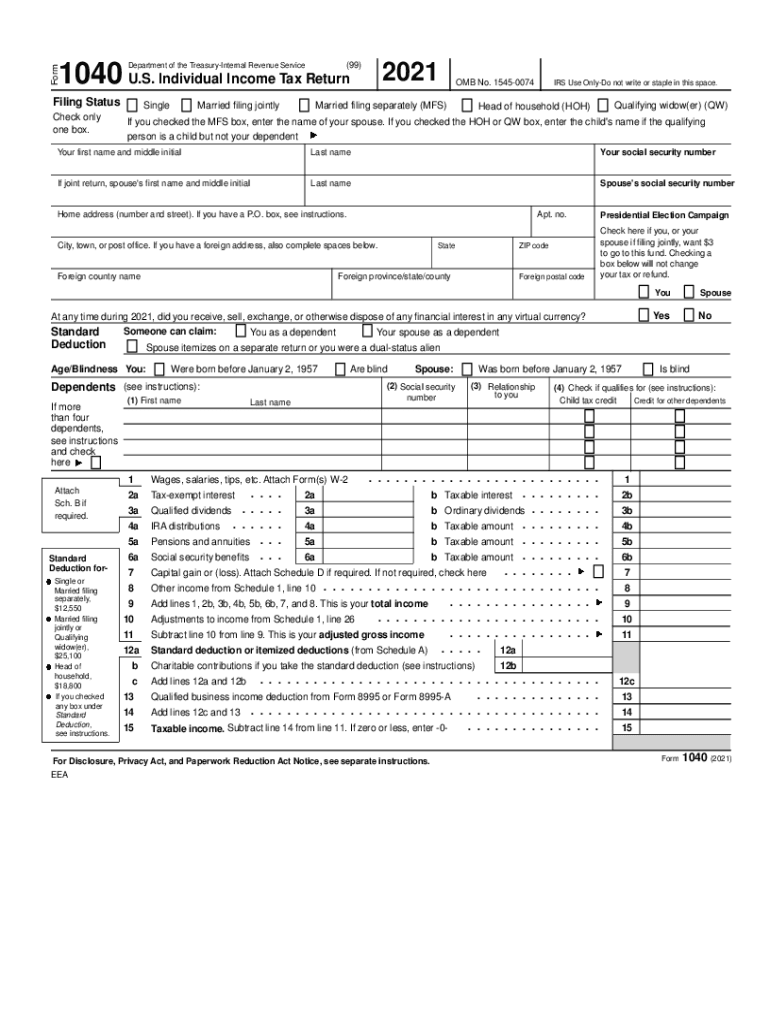
Form 1040-X (Rev February 2024), commonly known as the Amended U.S. Individual Income Tax Return, is a document used by taxpayers in the United States to correct errors on previously filed tax returns. It allows individuals to make changes to their filing status, income, deductions, or credits. This form is pivotal when adjustments need to be made after discovering discrepancies or omitting information on an original tax return.
Examples include:
- Changing your filing status from single to married filing jointly.
- Adjusting income figures if errors were identified in calculations.
- Correcting deductions or credits that were initially overlooked or incorrectly reported.
Steps to Complete the Form 1040-X (Rev February 2024)
-
Obtain Form 1040-X:
- Access the form through the IRS website or request a paper form by mail.
- Ensure you're using the revised February 2024 version for the most current guidelines.
-
Complete the Header Information:
- Fill in personal information accurately, including your name, address, and social security number.
- Indicate the year of the original return being amended.
-
Amendment Details:
- List the exact changes in the designated columns, showing the original amounts, corrected amounts, and the difference.
- Provide a detailed explanation for each change made on the second page of the form.
-
Recalculate Your Tax:
- Utilize Form 1040-X instructions to compute your new tax obligation or refund.
- Adjust any affected schedules or forms, such as Schedule A for itemized deductions.
-
Include Supporting Documentation:
- Attach any forms or schedules impacted by the amendments, such as W-2s or 1099s.
- Provide any additional evidence or documents that support your corrections.
-
Sign & Date the Form:
- Make sure both you and your spouse (if filing jointly) sign and date the form.
-
Submit the Form:
- Determine your filing method—mail the paper form to the IRS or submit it electronically if eligible.
- Retain a copy for your records.
Who Typically Uses Form 1040-X (Rev February 2024)
This form is predominantly used by individual taxpayers who need to correct their federal tax returns. It is applicable for various scenarios:
- Individuals who receive new tax documentation post-filing.
- Taxpayers who identify calculation errors on their initial submission.
- Cases where a change in tax laws retroactively applies to past filings.
Additionally, taxpayers who wish to claim overlooked credits or alter their itemized deductions often utilize this form. It serves as a remedy for correcting genuine mistakes and ensuring compliance with tax regulations.
IRS Guidelines for Form 1040-X (Rev February 2024)
The IRS provides specific instructions to ensure the proper filing of Form 1040-X:
- Amendments must be filed within three years of the original return date or within two years of the date the tax was paid, whichever period expires later.
- Use the form only for federal returns; state amendments require separate forms.
- Each tax year requires a separate Form 1040-X.
Consult the IRS publication for detailed instructions, including how amended returns affect state taxes and any additional steps required depending on individual circumstances.
Filing Deadlines / Important Dates
Understanding the timelines for submitting Form 1040-X is essential:
- File within three years from the date of the original return or two years from the date the tax was paid, for a refund.
- Amendments outside this window may not result in a refund.
- Keep track of any IRS announcements affecting deadlines, such as those resulting from extensions due to natural disasters or other circumstances.
Required Documents for Form 1040-X (Rev February 2024)
Ensure that the following documents are prepared when filing Form 1040-X:
- Original and corrected tax forms to verify changes.
- W-2 forms, 1099s, and other income statements supporting the amendments.
- Receipts and documentation for deductions or credits being amended.
- Any correspondence from the IRS related to your initial filing.
Having a complete documentation package aides in the seamless processing of amendments and supports the legitimacy of your claims.
Digital vs. Paper Version of Form 1040-X
Taxpayers have options for completing and submitting Form 1040-X:
-
Digital Submission:
- Allows certain taxpayers to file electronically through IRS-approved software.
- Offers quicker processing times and immediate confirmation of receipt.
-
Paper Filing:
- Traditional method involving mailing a hard copy to the IRS.
- Necessary for taxpayers who do not meet electronic submission criteria or prefer a paper trail.
Understanding the advantages of each method helps in choosing the most efficient submission process for your circumstances.
Penalties for Non-Compliance
Failing to correctly file amended returns can lead to significant repercussions, such as:
- Interest and penalties on any underpaid tax due to uncorrected errors.
- Possible audit if errors are found during IRS checks.
- Loss of opportunities to claim refunds for eligible corrections if the submission is late.
Timely and accurate filing of Form 1040-X mitigates risk and ensures compliance with IRS regulations. Understanding these requirements ensures you manage your tax obligations with confidence and peace of mind.