Definition and Meaning of CITES Permit Application Form Canada
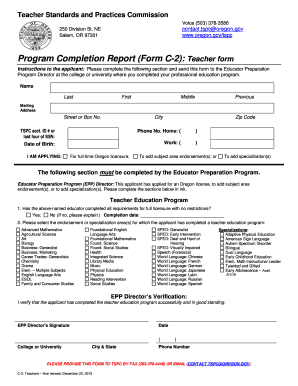
The CITES permit application form Canada is a document required to import, export, or re-export wildlife specimens as governed by the Convention on International Trade in Endangered Species of Wild Fauna and Flora (CITES). This form is integral in regulating international wildlife trade to ensure that it does not threaten the survival of species. It primarily deals with hunting trophies, live animals, and animal products. Completing this form involves providing detailed information about the applicant, the specimen, its origin, and the legalities surrounding the trade. This process is vital to maintaining transparency and compliance with international conservation agreements.
Steps to Complete the CITES Permit Application Form Canada
-
Gather Necessary Information: Collect all pertinent details, such as the type of specimen, its origin, and purpose of the trade.
-
Applicant Information: Fill out personal details, including your name, address, and contact information.
-
Purpose and Type of Trade: Specify the type of transaction, such as import, export or re-export, along with the purpose, like scientific research or personal collection.
-
Specimen Description: Provide a detailed description of the item, including its scientific name, quantity, and any identification marks.
-
Origin and Legality: Document the origin of the specimen, including the country of origin and evidence of its legal acquisition.
-
Submit the Form: Depending on the submission method, either mail or submit it online through the appropriate government portal.
Successful completion relies on thoroughness and accuracy, as incomplete entries can delay processing.
Required Documents for CITES Permit Application Form Canada
-
Proof of Legal Acquisition: Evidence that the specimen was legally obtained, such as purchase receipts or notarized declarations.
-
Scientific Permits: If applicable, provide any scientific permits related to research purposes.
-
Identification Documents: Include copies of personal identification, such as a passport or driver's license, to verify the applicant's identity.
-
Previous Permits: Copies of any previously issued permits, if this is not the first application.
These documents support the application and are crucial for the verification process, ensuring that all data is accurate and complies with CITES regulations.
Application Process and Approval Time
The application process begins with the accurate completion of the CITES permit application form, followed by submission along with requisite documentation. The government body responsible for wildlife trade management will review the application to ensure compliance. Processing times vary, typically ranging from several weeks to a few months, depending on the complexity of the application and the volume being processed at the time. Applicants will be notified of the outcome via mail or email, depending on the submission method used.
Legal Use of the CITES Permit Application Form Canada
Using the CITES permit application form Canada legally requires adherence to all stipulated guidelines set out by CITES and Canadian authorities. Legal use includes submitting truthful information, ensuring declarations about specimen origin and purpose are accurate, and only using the permit for its indicated purpose. Misuse or falsification can lead to penalties, legal action, and revocation of permits.
Penalties for Non-Compliance
Non-compliance with CITES regulations can result in significant penalties, including:
-
Fines: Monetary penalties based on the severity of the infraction and any previous violations.
-
Revocation of Permits: Existing CITES permits may be revoked, barring future applications.
-
Legal Action: Failure to follow guidelines can lead to legal consequences, including prosecution and potential imprisonment.
It's essential for applicants to understand these risks to ensure strict adherence to CITES regulations.
Collaboration with DocHub for Form Management
Using DocHub can enhance the management of CITES permit forms through features such as document editing, secure sharing, and electronic signature capabilities. For applicants interacting with multiple parties in different locales, DocHub provides real-time collaboration tools that allow for seamless editing and sharing of required documentation. Features such as fillable fields can simplify data entry, ensuring that each required field is completed accurately before submission.
Software Compatibility for Digital Submissions
Digital versions of the CITES permit application form are compatible with various software platforms. This compatibility is crucial for users who require integration with document management services like Google Workspace, as they can import and export forms directly from cloud storage services like Google Drive. These capabilities streamline the handling of documents and ensure users can process forms efficiently within their existing digital ecosystems.