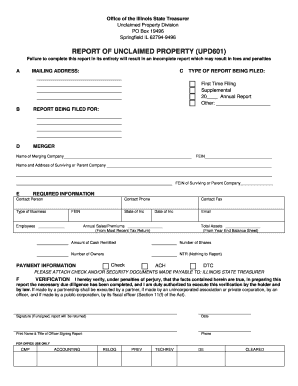
Definition and Purpose of Contract and Banquet Event Order
A Contract and Banquet Event Order (BEO) is a detailed document used to outline the specifics of a banquet, event, or meeting. It serves as a binding agreement between the client and the venue, detailing the logistical aspects involved in the event planning. This document usually includes event details such as dates, times, setup requirements, rental fees, and payment terms. The importance of the BEO lies in its role as both a communication tool and a legally binding contract, ensuring that both parties are aligned and that expectations are clearly set.
Key Elements of the BEO
- Event details: Includes the date, start and end times, and location.
- Room setup: Specifies the layout requirements, such as seating arrangements and equipment.
- Rental fees: Covers anything from space rental to additional service charges.
- Food and beverage arrangements: Details the menu options, special dietary requirements, and beverage selections.
- Payment terms: Outlines deposit requirements, payment schedules, and accepted payment methods.
Steps to Complete the Contract and Banquet Event Order
Completing a BEO requires careful attention to detail and collaboration between the client and the venue’s event coordinator. Here’s a practical step-by-step process:
- Initial Consultation: Discuss the event's purpose, anticipated attendance, and any specific requirements.
- Drafting the Agreement: Fill out preliminary event details, including date, time, and location.
- Selecting Services: Choose from the venue’s offerings like catering options, room setups, and technology needs.
- Review and Adjustments: Both parties review the draft to confirm that all details meet their agreement.
- Final Approval: Once all adjustments are made, sign the document to confirm the arrangements.
- Distribution: Distribute copies to all relevant parties, ensuring everyone is informed of their responsibilities.
Legal Use and Binding Nature of the BEO
The Contract and Banquet Event Order functions as a legal contract. This is crucial as it establishes the obligations and rights of both the client and the venue. It’s important to note that failure to comply with the terms outlined in the BEO can lead to legal consequences, including disputes or penalties. The BEO ensures that the event is executed as planned and any changes or cancellations must be renegotiated and amended in the document.
Important Legal Considerations:
- Signatures: Ensure both the client and venue representative sign the document to confirm acceptance.
- Cancellation Policy: Clearly define penalties or fees should the event be canceled or changed unexpectedly.
- Liability Clauses: Specify what each party is responsible for in the event of an issue during the event.
Who Typically Uses the Contract and Banquet Event Order
The BEO is typically used by a wide range of professionals in the event management industry. Here’s a look at who commonly relies on this document:

Event Planners and Coordinators
Event planners use BEOs to communicate detailed event plans to venues and ensure that every aspect aligns with the client's vision. They oversee the entire process from drafting to execution, making it a crucial tool in their managerial toolkit.
Hotels and Conference Centers
These are the primary issuers of BEOs. They utilize these documents to coordinate resources, staff, and logistics in accordance with their clients’ needs and expectations.
Corporate Clients
Companies planning events — be it meetings, conferences, or parties — rely on BEOs to formally organize the logistics with the venue. The clarity and specificity of the BEO streamline corporate planning and internal approvals.
Examples of Using the Contract and Banquet Event Order
The BEO finds application in various scenarios beyond just the standard banquet. Here are a few examples showing its versatility:
Corporate Conferences
For multi-day conferences that require precise scheduling across various rooms, the BEO ensures each segment of the event is coordinated smoothly. This includes catering schedules, breakout sessions, and technological support.
Weddings and Social Events
The romantic or celebratory nature of events like weddings necessitates meticulous planning, for which the BEO accounts for every aspect down to the exact placement of decorations and timing of key activities.
Educational Seminars
Educational institutions might use BEOs to organize seminars or workshops, ensuring that technical equipment is set up, attendee materials are ready, and refreshments are prepared correctly.
Digital Versus Paper Version of the BEO
In today’s digital age, many organizations opt for a digital BEO format, enhancing efficiency and accessibility. Here’s a comparison of both formats:
Digital BEO
- Advantages: Easier to edit and update, can be rapidly distributed to stakeholders, and integrates seamlessly with other digital planning tools.
- Security: Requires password protection and encryption to safeguard sensitive information.
- Collaboration: Enables real-time collaboration and feedback, reducing misunderstanding and errors.
Paper BEO
- Advantages: Some clients prefer the tangibility and formality of a physical document, which can be useful in face-to-face meetings.
- Disadvantages: Editing requires reprints, distribution is slower, and there’s a higher risk of misplacing documents.
Software Compatibility
With electronic management becoming the norm, various software solutions facilitate the creation and management of BEOs:
- DocHub: Streamlines the creation, sharing, and signing of BEOs, offering features like secure encryption, real-time collaboration, and fillable form templates.
- Microsoft Office Suite (Word, Excel): Useful for creating and managing preliminary drafts before conversion to formal formats.
- Event Management Software: Integrated tools specifically designed for event planning can automatically generate and manage BEOs.
These comprehensive approaches ensure that users have the tools they need to efficiently navigate through the nuances of Contract and Banquet Event Orders.