01. Edit your form online
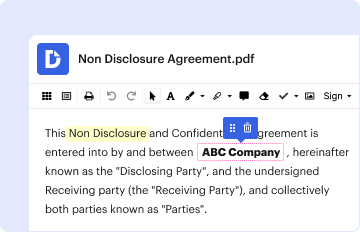
Type text, add images, blackout confidential details, add comments, highlights and more.

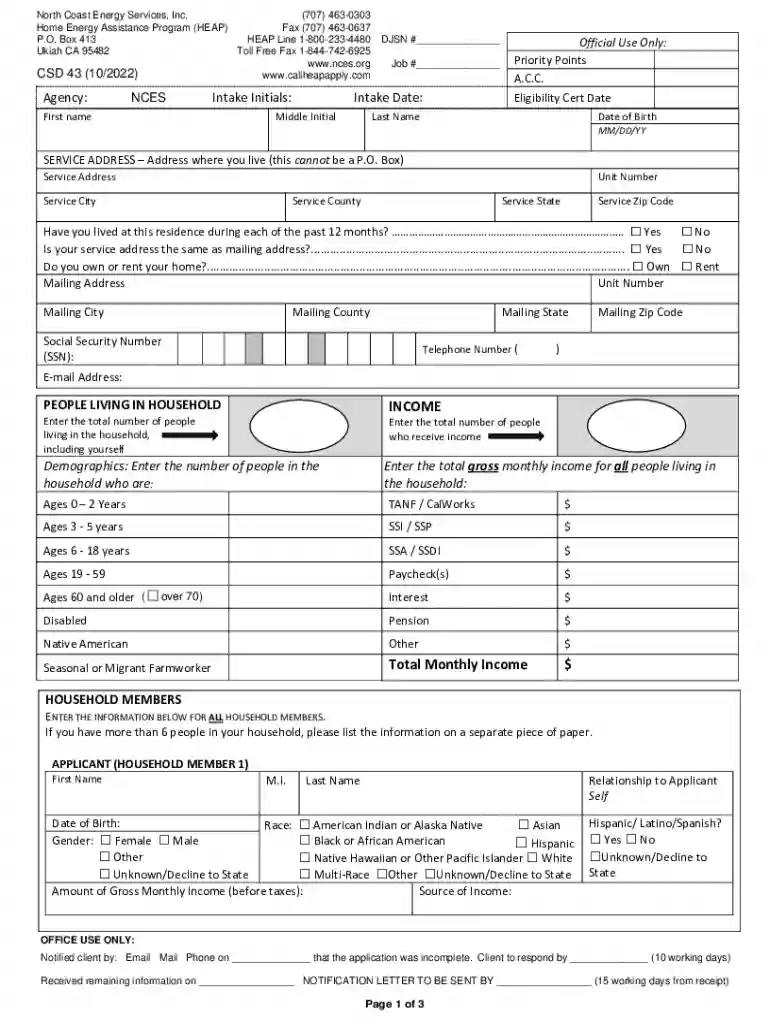
Type text, add images, blackout confidential details, add comments, highlights and more.
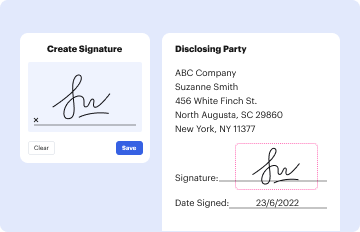
Draw your signature, type it, upload its image, or use your mobile device as a signature pad.

Send it via email, link, or fax. You can also download it, export it or print it out.
The HEAP Application Checklist serves as an essential guide for individuals applying for the Home Energy Assistance Program (HEAP). This program aims to aid low-income households in the United States with their energy bills, ensuring families can maintain necessary heating and cooling in their homes. By following the checklist, applicants can avoid common pitfalls that may delay their application process or lead to denials. It's crucial for applicants to adhere to the guidelines provided, as even minor discrepancies in the application can result in processing delays. As such, ensuring every required document is complete and legible is pivotal.
When applying for HEAP, several documents are necessary to verify eligibility. The checklist guides applicants to submit proper identification, which can include a driver's license or a state-issued ID. Income documentation is another critical requirement; pay stubs, Social Security statements, or a letter from an employer may suffice. Additionally, providing recent utility bills is vital to verify energy usage and need for assistance. It's also important to document all household members, which can include birth certificates or school records for dependent children, ensuring that household information aligns with what's reported in income documents.
Finishing the HEAP Application Checklist effectively is crucial to securing assistance. Begin by thoroughly reading the checklist and compiling all required documentation. Organize these documents in the order they are requested to streamline the review process. Ensure all forms are filled out completely and accurately; double-check for any missing signatures or necessary fields. Once complete, review the entire application package before submission to catch any missed details, as errors or omissions could delay assistance. Applicants may also find it helpful to contact local assistance programs or offices for clarifications on specific requirements, ensuring a smooth application process.
Submitting the HEAP application can be done through various methods depending on one's convenience and accessibility. Applications can often be submitted online through the designated state website, providing a quick and efficient method for tech-savvy individuals. Alternatively, applications can be mailed, which may require additional time for delivery and processing. For those who prefer a more personal approach, in-person submission at designated locations allows for immediate verification of documents. It is important to confirm the specific submission method and address as they can vary by state or locality. Timely submission is crucial, as applications are often processed on a first-come, first-served basis.
To qualify for HEAP assistance, applicants must meet specific eligibility criteria. The program primarily benefits low-income households, and income thresholds can vary by state, taking into account family size and overall earnings. Households that spend a high proportion of their income on energy bills may also be prioritized. Additionally, certain states may have specific criteria for qualifying elderly individuals or households with members who have disabilities. It's important to check the latest state-specific eligibility guidelines, as they are periodically updated to reflect changes in policy or funding allocations.


Understanding the terminology used in the HEAP application process can significantly aid applicants. Terms such as "gross income," which refers to total income before deductions, are commonly used. "Fuel Assistance" pertains to additional programs that may cover heating costs during colder months. "Weatherization Assistance" involves energy efficiency improvements to reduce energy costs. Familiarizing oneself with these terms can clarify application requirements and programs related to HEAP, ensuring applicants can effectively communicate and understand the process and benefits.
While HEAP is a federal program, implementation differs across states. Each state has distinct application procedures, deadline dates, and eligibility criteria, all detailed in the state's version of the HEAP Application Checklist. For instance, some states may offer additional funds for weatherization assistance or prioritize elderly residents. Understanding these variations is crucial to ensuring compliance with local application requirements and leveraging potential state-specific benefits. Applicants should consult their state’s HEAP office or official website for the most accurate information, and consider attending informational sessions or workshops often offered by local agencies.
Ensuring the privacy and legal use of information provided in the HEAP application is a critical aspect of the process. Information collected is protected under privacy laws, intended solely for determining eligibility and processing the application. Misuse of personal data by applicants, such as providing false information or failing to report changes in household status, can result in penalties or denial of benefits. Conversely, HEAP administrators are bound by confidentiality agreements and governmental regulations to protect applicants' information, maintaining trust in the program’s integrity and confidentiality practices.
We've got more versions of the HEAP Application Checklist form. Select the right HEAP Application Checklist version from the list and start editing it straight away!
At DocHub, your data security is our priority. We follow HIPAA, SOC2, GDPR, and other standards, so you can work on your documents with confidence.