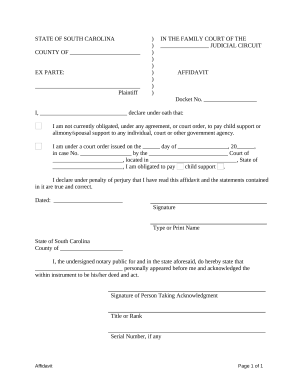
01. Edit your kyb form online
Type text, add images, blackout confidential details, add comments, highlights and more.

Type text, add images, blackout confidential details, add comments, highlights and more.

Draw your signature, type it, upload its image, or use your mobile device as a signature pad.

Send kyb form via email, link, or fax. You can also download it, export it or print it out.
The KYB (Know Your Business) form is an essential document used to verify the identity of business entities. It is part of the compliance procedures undertaken by financial institutions to ensure that businesses meet regulatory standards. This form collects detailed organizational information, including ownership structures and financial statements, to assess the operational legitimacy and financial health of a business. KYB is crucial for preventing fraud, money laundering, and other illicit activities by obtaining comprehensive data about a business's background and ongoing operations.
Using the KYB form involves careful data collection and verification. Businesses are required to provide extensive details about their operations, including organizational structure, ownership details, and financial history. Once compiled, the information is submitted to the requesting entity, typically a bank or financial institution, for compliance checks. It is essential to maintain accuracy and completeness, as discrepancies can lead to delays or additional scrutiny. Integrating KYB processes into regular compliance routines ensures smoother interactions with financial service providers.
The KYB form is primarily utilized by financial institutions, such as banks and investment firms, to comply with regulatory mandates concerning business verification. Additionally, it is used by companies engaged in high-value transactions or partnerships to confirm the legitimacy of their business partners. Legal firms and auditors also engage with these forms for due diligence purposes during mergers and acquisitions. Small, medium, and large enterprises across various sectors must complete the KYB form when establishing new financial relationships or undergoing financial audits.


The KYB form is legally required for businesses operating in fields where financial transparency and legitimacy are paramount. Compliance with KYB requirements reduces the risk of legal penalties and enhances trust with financial partners. Ensuring accurate and honest completion of the form supports adherence to both domestic and international financial regulations. U.S. laws like the Bank Secrecy Act and related AML regulations necessitate using KYB forms to foster integrity in financial markets.
The KYB form includes several essential sections:
Completing the KYB form involves submitting several critical documents:
We've got more versions of the kyb form form. Select the right kyb form version from the list and start editing it straight away!
At DocHub, your data security is our priority. We follow HIPAA, SOC2, GDPR, and other standards, so you can work on your documents with confidence.