Definition and Overview of the Confirmation Form
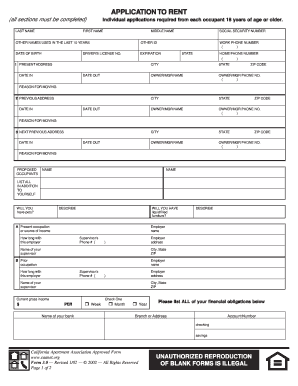
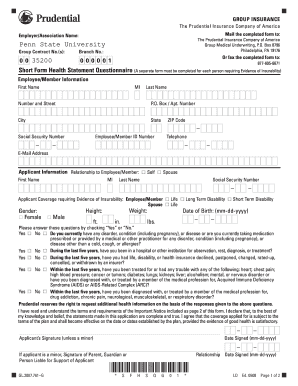
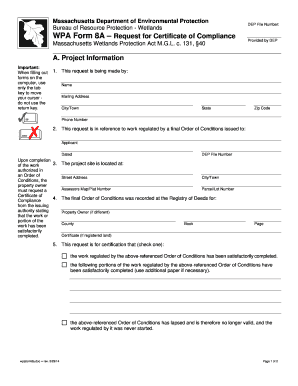
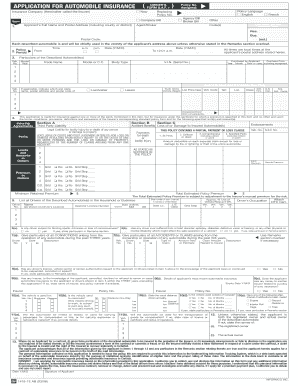
A confirmation form is a structured document used to validate or verify specific information related to an individual's credentials or transactional details. In many cases, it is a mandatory prerequisite for completing procedures that require formal attestation of facts. Such forms serve diverse purposes, including confirming work experience, validating financial transactions, or authorizing certain activities. For instance, in the context of the Diploma in International Financial Reporting (DipIFR), a confirmation form might be used to certify an applicant's professional experience as verified by their employer.
How to Use the Confirmation Form
The utility of a confirmation form lies in its capacity to accurately capture and confirm needed details. Users should first familiarize themselves with the form's structure and sections. Generally, a confirmation form includes fields for personal details, the purpose of confirmation, and authoritative signatures. To effectively use the form, carefully read each section's instructions before inputting any information. Upon completion, ensure that all required signatures and verification marks, like employer stamps or notarizations, are included. Pay particular attention to any fields marked as mandatory, as omissions may lead to rejection or requests for additional information.
Obtaining the Confirmation Form
Confirmation forms can be obtained through various channels depending on their purpose. If the form is specific to a particular certification or course, like the DipIFR, it can often be downloaded or requested directly from the relevant organization's website. Organizations frequently provide digital copies for ease of access. Alternatively, forms may also be distributed through email or via institutional offices. When acquiring a confirmation form, ensure that it is the correct version and matches the requirements of the requestor to avoid processing delays.
Steps to Complete the Confirmation Form
-
Gather Necessary Information: Collect all the information required for the form, such as personal identification details, contact information, and any documentation supporting the information being confirmed.
-
Fill Out Personal Details: Begin by entering all essential personal data accurately in the designated fields.
-
Complete Confirmation Sections: Provide the specific information that needs confirmation. This may include job details, financial information, or educational credentials.
-
Attach Required Documentation: Include any supporting documents necessary to substantiate the claims or information presented.
-
Obtain Required Signatures: Ensure all required stakeholders sign the form. For instance, if it involves professional experience confirmation, ensure your employer or line manager's signature is affixed.
-
Review and Submit: Double-check all entries for accuracy before submitting the form through the designated submission method, such as mailing, online submission, or in-person delivery.
Key Elements of the Confirmation Form
A confirmation form generally comprises several critical components designed to accurately verify and convey pertinent information:
- Personal Information Fields: These sections include identifiers such as name, date of birth, and contact details.
- Verification Items: This section details the specific facts requiring confirmation, such as employment dates, salary, or role responsibilities.
- Signature and Authentication: Space for signatures and any necessary notarizations, stamps, or seals to formalize the verification.
Who Typically Uses the Confirmation Form
Use of the confirmation form spans across varied contexts where formal validation of information is required. Typical users include:
- Educational Institutions: For verifying student credentials or academic qualifications.
- Human Resources Departments: For confirming employment or job performance details.
- Financial Institutions: To authenticate financial transactions or account details.
- Certification Bodies: For validating qualifications or certifications as part of a professional accreditation process.


Legal Use of the Confirmation Form
Legal compliance is crucial when using confirmation forms, as these documents often formalize legal attestations of fact. It's vital to ensure all details entered on the form are truthful and accurate, as falsification can lead to legal penalties. Furthermore, consent is required for any personal information disclosed within the form, aligning with data protection and privacy regulations. Users should also be aware of any specific legal requirements tied to the form's purpose, such as those dictated by employment law or industry-specific regulations.
Examples of Using the Confirmation Form
Real-world applications of confirmation forms demonstrate their utility across contexts:
- Employment Verification: An employee seeking new job opportunities may use a confirmation form to verify past job titles and responsibilities.
- Financial Certification: Banks might require forms to confirm the status and details of significant transactions.
- Academic Confirmation: A confirmation form might be part of a scholarship application process, affirming the applicant's participation or achievements in specific academic programs.