Definition and Meaning of the 1140 Tax Form
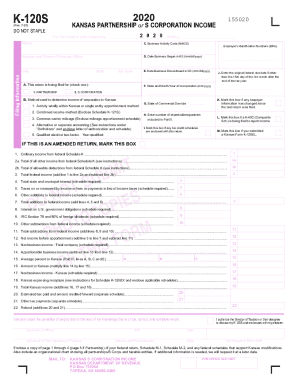
The 1140 tax form is a crucial document used for tax reporting purposes by pass-through entities and trusts primarily based in the United States. The form is designed to assist such entities in reporting income, deductions, and other pertinent financial data to the appropriate tax authorities, typically emphasizing the calculation and reconciliation of owed taxes. This tax form is often associated with specific filing requirements and is integral to ensuring compliance with state and federal tax regulations. It serves as an essential tool for entities that need to address withholding obligations as part of their tax responsibilities.
How to Use the 1140 Tax Form
To effectively use the 1140 tax form, entities must first gather all relevant financial data related to their fiscal operations. This data includes income, allowable deductions, and any other financial activities impacting tax liabilities. Users should carefully review each section of the form to ensure that they report their financial activities accurately. The form typically mandates the submission of additional schedules for specific items, such as reconciliations and apportionments. By adhering to the instructions included on this form, entities can ensure accurate completion and submission, thereby minimizing the risk of errors or omissions that could result in penalties.
Step-by-Step Process
- Gather Financial Records: Start by collecting all financial records from the applicable tax year, ensuring comprehensive coverage of income and deductions.
- Review Instructions: Carefully review the form's instructions to understand each section's requirements.
- Complete Required Schedules: Fill out any necessary schedules associated with the form, which might involve detailed calculations.
- Ensure Accuracy: Double-check all entries for correctness and completeness.
- File the Form: Submit the completed form by the specified deadline using the appropriate method.
How to Obtain the 1140 Tax Form
Obtaining the 1140 tax form is straightforward. Entities can access the form through several sources, the most common being the official websites of tax authorities, such as the Internal Revenue Service (IRS) or state-specific tax agencies. Additionally, the form may be provided by professional tax software packages like TurboTax or QuickBooks. Some tax professionals or advisors can supply the form as well and assist in its completion if needed. Ensure you have the most current version by checking for updates or revisions, as tax regulations can change.
Methods to Obtain the Form
- IRS Website: Access and download the form directly from the IRS or relevant state tax agency website.
- Tax Software: Obtain through comprehensive tax preparation software packages.
- Professional Assistance: Consult with tax professionals or advisors for access to the form and guidance.
Steps to Complete the 1140 Tax Form
Completing the 1140 tax form involves detailed steps that require attention to detail. Entities should approach this task methodically to ensure all financial data is accurately reported.
Detailed Steps
- Read the Instructions: Begin by thoroughly reading the instructional guidelines.
- Enter General Information: Fill in the entity’s name, address, and identification numbers.
- Report Income and Deductions: Document all sources of income and allowable deductions carefully.
- Complete any Additional Schedules: If applicable, fill in supporting schedules that may require complex calculations.
- Review and Verify Information: Check the accuracy of all reported data and calculations.
- Sign and File the Form: Ensure the form is signed by an authorized individual and submit it through the chosen method by the deadline.
Who Typically Uses the 1140 Tax Form
The 1140 tax form is primarily used by pass-through entities and trusts engaged in transactions that require state or federal tax withholding. This includes limited liability companies (LLCs), S-corporations, and other similar business structures that pass incomes, deductions, and credits directly to their owners rather than being taxed at the corporate level. Trusts that manage assets and distribute income to beneficiaries may also utilize the form to manage withholding obligations.


Business Entity Users
- LLCs: For managing pass-through taxation and withholding.
- S-Corporations: To report income and withholding obligations.
- Trusts: To handle tax implications related to income distributions.
IRS Guidelines for Filing the 1140 Tax Form
The IRS provides specific guidelines to ensure proper completion and submission of the 1140 tax form. These guidelines cover filing procedures, deadlines, and detailed instructions on form sections and schedules.
Key Highlights of IRS Guidelines
- Adherence to Deadlines: Critical to avoid penalties.
- Detailed Instructions for Each Section: Ensure clarity and compliance.
- Filing Procedures: Include step-by-step instructions for accurate submission.
Important Terms Related to the 1140 Tax Form
Understanding the terminology associated with the 1140 tax form is crucial for proper completion and compliance. These terms provide clarity on various aspects of the tax filing process.
Notable Terms
- Pass-Through Entity: A business structure where the entity's income is taxed at the owner's level rather than the corporate level.
- Withholding Tax: The amount withheld from payments for income tax purposes to be remitted to tax authorities.
- Apportionment Ratios: Calculations used to determine the portion of income subject to specific taxation based on jurisdictional rules.
State-Specific Rules for the 1140 Tax Form
State-specific rules may significantly impact how the 1140 tax form is completed and filed. Understanding these variations is important for compliance and efficient tax management.
Considerations for State-Specific Rules
- Variability in Tax Rates: Different states may apply differing tax rates impacting calculations.
- Filing Requirements: Some states have additional filing requirements or schedules.
- Deadlines: State-specific submission deadlines can differ from federal deadlines.
Penalties for Non-Compliance with the 1140 Tax Form
Entities failing to comply with filing requirements for the 1140 tax form may face penalties. Understanding these potential penalties is essential for ensuring timely and accurate submissions.
Common Penalties
- Late Filing Penalties: Imposed for submissions beyond the deadline.
- Accuracy-Related Penalties: Result from errors or omissions in reported data.
- Interest on Unpaid Taxes: Charged over time for any outstanding tax liabilities.
Each of the sections above provides essential information concerning the 1140 tax form, helping entities manage their tax obligations effectively. By understanding and following these guidelines, entities can ensure compliance and optimize their financial operations.