Definition & Meaning of Cooksey Tax and Notary
The term "Cooksey Tax and Notary" likely serves as a service-oriented solution combining expertise in tax preparation and notarial services, both crucial in handling various legal and financial documents. It involves facilitation of tax services, possibly personalized to individual or business needs, alongside notarization which ensures the authenticity and proper execution of forms, contracts, declarations, or other essential documents.
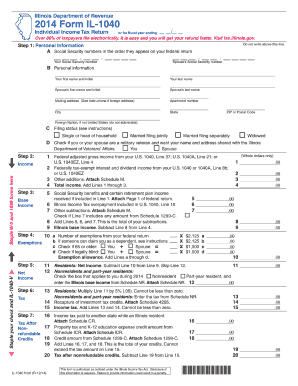
- Tax Services: These include, but are not limited to, preparation of state and federal tax returns, tax planning strategies, and dealing with IRS-related issues such as audits or back taxes.
- Notarial Services: These services aim to legally authenticate documents and witness the signing of contracts, ensuring all parties involved understand the commitments and conditions before them.
This dual service offering is tailored for clients needing comprehensive assistance in both fields, potentially benefitting from streamlined processes and enhanced professionalism.
How to Use the Cooksey Tax and Notary
Understanding how to effectively utilize Cooksey Tax and Notary services requires familiarity with both tax and legal document requirements.
- Identify Your Needs: Determine whether your primary requirement is tax preparation, notarial services, or both, based on personal or business needs.
- Consultation and Appointment: Arrange a consultation to discuss your specific needs. Many services offer appointments via phone, online, or in-person.
- Document Preparation: Gather all necessary documents pertinent to your tax or notary needs, such as income statements, W-2 forms, property deeds, or affidavits.
- Service Engagement: Engage the services of Cooksey Tax and Notary, which may include filing your taxes, providing financial advice, or notarizing that critical legal form.
- Review and Confirmation: Confirm all services have been completed correctly, with a review of paperwork to ensure accuracy and compliance with legal standards.
These steps afford individuals and businesses a straightforward approach in leveraging specialized services in both the tax and legal arenas.
Steps to Complete the Cooksey Tax and Notary Process
Combining tax and notary tasks into a unified process involves clearly executed steps, typically customized to meet compliance and client-specific needs.
- Gather Documentation: Secure all necessary financial records for tax processing and original documents for notarization.
- Initial Consultation: Meet with Cooksey Tax and Notary representatives to discuss specific services needed and outline personalized service strategies.
- Tax Analysis and Preparation: Professionals will analyze financial data, prepare filings, and compute necessary tax obligations or refunds.
- Notarization Appointment: Ensure the presence of all parties required to sign or witness documents, following legal notarial procedures.
- Form Submission: After final verification, tax documents are submitted to the appropriate governmental body, and notarized documents are completed as required.
Each step is essential for ensuring thorough completion and legality of operations, appropriately respecting U.S. legal protocols.
Important Terms Related to Cooksey Tax and Notary
Familiarity with associated terminology enhances comprehension and ensures transparent interactions with Cooksey Tax and Notary services.
- Affidavit: A written statement confirmed by oath for use as evidence in court.
- W-2 Form: A form used in the United States to report wages paid to employees and the taxes withheld from them.
- Tax Deduction: Expenses subtracted from adjusted gross income which can result in a lower tax liability.
- Acknowledgment: A formal declaration by a person in front of a notary public that they signed a document freely.
- Jurat: A section of an affidavit stating when, where, and before whom the document was signed.
Understanding these terms ensures parties properly prepare and interpret the scope of Cooksey Tax and Notary services.
Legal Use of the Cooksey Tax and Notary
Engagement in legal use mandates adherence to compliance with U.S. federal and state laws governing tax practices and notarial acts.
- Tax Compliance: Services assure all filings conform to IRS criteria, applicable tax codes, and regulations, minimizing risk of audits.
- State Notary Laws: Notaries must follow state-specific rules, including verifying signer identity and capacity to understand their acts.
- Recordkeeping: Maintain accurate records to comply with legal obligations and prepare for potential reviews or audits.
Proper legal usage enhances confidence and serves as protection against potential fraud or legal infractions.
State-Specific Rules for the Cooksey Tax and Notary
Tax and notary laws can vary significantly between states in the U.S., adding complexity to the Cooksey Tax and Notary process.
- Tax Regulations: Different states impose various income, sales, and property tax requirements, affecting filing procedures.
- Notary Guidelines: States have unique notary commissions, application processes, and authorized actions, necessitating expert guidance.
- Cross-State Considerations: Those conducting interstate business or owning property in multiple states may require extended compliance oversight.
Understanding these distinctions is critical for accurate service delivery across state lines.
Penalties for Non-Compliance with Cooksey Tax and Notary Services
Failure to comply with tax and notary rules can result in significant penalties, emphasizing the importance of using Cooksey Tax and Notary services.
- Financial Penalties: Inaccurate tax filings can lead to fines, interest on unpaid taxes, and potential audits.
- Legal Consequences: Misuse of notarial powers, such as false witnessing, can result in criminal charges for fraud or perjury.
- Reputational Impact: Non-compliance can harm personal and business reputations, affecting future financial opportunities and legal standings.
Knowing these potential penalties supports the rationale for engaging professional services that prioritize accuracy and adherence to the law.
Software Compatibility of Cooksey Tax and Notary
Leveraging technology solutions in conjunction with Cooksey Tax and Notary services streamlines efficiency and accuracy in document handling.
- Tax Software Integration: Compatibility with popular software like TurboTax or QuickBooks ensures seamless import/export of tax information.
- Digital Notary Tools: Platforms that facilitate digital signing and secure electronic storage can enhance notary service delivery.
- Secure File Management: Using encrypted systems retains client confidentiality and document integrity throughout the process.
Equipped with these technical capabilities, users experience a seamless and secure service interface.