Definition and Meaning
The Automated Clearing House (ACH) Transfer Authorization is a form that enables a payee to permit an organization, such as Leidos Biomedical Research, Inc., to initiate credit entries for electronically transferring funds into their bank account. This process is commonly used for Electronic Data Interchange (EDI) transactions, streamlining payments between businesses (B2B) and other financial exchanges.
Components of ACH Authorization
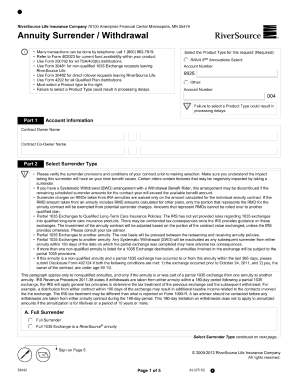
- Payee Information: Details about the individual or entity receiving the payment, including name and contact information.
- Financial Institution Details: The bank or credit union information, including the routing number and account number.
- Authorization Terms: Legal terms outlining the payee's consent to the transfer process and any applicable liability disclaimers.
Purpose of ACH Transfers
ACH transfers provide a secure, efficient method for businesses to make regular payments without the need for paper checks or cash. They offer a seamless flow of funds, reducing processing time and enabling easy reconciliation.
How to Use the Automated Clearing House (ACH) Transfer Authorization
Steps to Initiate ACH Authorization
- Obtain the Form: Acquire the necessary ACH Transfer Authorization form from the relevant organization or financial institution.
- Complete the Form: Fill in all required sections with accurate payee and bank details.
- Sign the Authorization: Provide a signature at the designated area to validate the authorization.
- Submit the Form: Return the completed form to the initiating organization for processing.
Practical Examples
- Payroll Deposits: Employees provide authorization for employers to deposit salaries directly into their bank accounts.
- Vendor Payments: Businesses set up ACH authorizations with vendors for recurring payments, such as subscriptions or supply orders.
Common Use Cases
- Subscription Services: Companies use ACH authorizations for automatic billing of subscription services.
- Loan Payments: Individuals might authorize ACH transfers for automated loan repayments from their checking accounts.
Key Elements of the Automated Clearing House (ACH) Transfer Authorization
Essential Sections of the Form
- Authorization Agreement: An agreement that details the payee's express consent for ACH transactions initiated by the organization.
- Bank Information: Specifics regarding the payee's bank, including routing number, account number, and bank contact details.
- Verification Procedures: Steps required to verify the legitimacy of provided bank details, which might include a pre-notification entry.
Critical Legal Terms
- Authorization Duration: Specifies the period during which the authorization remains valid unless revoked by the payee.
- Liability and Termination: Outlines conditions under which either party may terminate the authorization, as well as liability for unauthorized transactions.
Legal Use of the Automated Clearing House (ACH) Transfer Authorization
Regulatory Compliance
The use of ACH Transfer Authorization must comply with the rules and regulations set by organizations such as the National Automated Clearing House Association (NACHA) to ensure transactions are secure and processed ethically.
Legal Protections
- Consumer Rights: Payees are protected under federal regulations, such as the Electronic Fund Transfer Act (EFTA), which guards against unauthorized transactions.
- Dispute Resolution: Outlines procedures for resolving disputes related to ACH transactions, providing a framework for addressing unauthorized transfers or other issues.
Important Terms Related to Automated Clearing House (ACH) Transfer Authorization
Common Terminology
- EDI Transactions: Electronic Data Interchange - the electronic communication of business information that supports seamless transactions.
- NACHA: The governing body that establishes standards and rules for ACH transactions within the U.S.
- Routing Number: A nine-digit code used to identify financial institutions in the United States.
Subsection Breakdowns
- Pre-authorization: A necessary verification process to confirm the account's authenticity.
- Cut-off Times: The deadline by which transactions must be submitted for same-day processing.
Steps to Complete the Automated Clearing House (ACH) Transfer Authorization
Detailed Process Guide
- Read Instructions Carefully: Understand all sections before filling out the form to ensure compliance with requirements.
- Accurate Entry of Bank Details: Carefully enter the bank's routing and account numbers to prevent processing errors.
- Contact Information Confirmation: Verify both business and personal contact details for communication purposes.
- Final Review: Double-check all inputs to ensure accuracy before submission.
Special Considerations
- Change of Bank Account: Notifying organizations immediately if bank information changes to avoid disruptions.
- Revocation Process: Instructions for how the payee can revoke an authorization, should they choose to cancel the transfer agreement.
Examples of Using the Automated Clearing House (ACH) Transfer Authorization
Real-world Scenarios
- Small Business: A small retailer regularly pays its suppliers via ACH, ensuring timely supply chain operations.
- Freelancers: Independent contractors use ACH authorizations for clients to direct deposit payments for services rendered.
- Rent Payments: Tenants authorize monthly rent payments to be withdrawn automatically from their accounts.
Case Studies
- Corporate Use Case: A corporation handling vast quantities of transactions uses ACH for seamless vendor payments across multiple states.
- Individual Use Case: A person utilizing ACH for personal transactions, such as utility billing or gym membership payments.
State-specific Rules for Automated Clearing House (ACH) Transfer Authorization
Variations Across States
- Consumer Protections: Some states may offer additional protections or requirements for ACH transactions beyond federal guidelines.
- Notification Procedures: Differences in how notice of transaction authorization and changes is communicated to payees and payers.
Compliance and Regulation
- Local Legislation: Acknowledgment of specific state laws that might affect the processing of ACH authorizations.
- Institution-Specific Rules: Banks or credit unions in certain states may have unique policies regarding ACH transactions and authorizations.
Filing Deadlines and Important Dates
Key Timeframes
- Processing Timelines: Standard timescales for initiating and completing ACH transactions.
- Update Deadlines: Deadlines for updating authorization details to avoid missed payments or delays.
Notifications and Alerts
- Expiration Dates: Dates when an authorization might automatically expire unless renewed by the payee.
- Quarterly Updates: Recommendations for quarterly revisitations of ACH authorizations to ensure current compliance and accuracy.
By evaluating and understanding these critical aspects, users can navigate ACH Transfer Authorizations effectively, ensuring robust financial transaction management.