






Key Components of a Police Report Template
A police report template is a structured document designed to aid law enforcement agencies in documenting incidents, gathering information, and creating a record that may be crucial for investigations and legal proceedings. Below is a detailed examination of the essential elements and practical applications of a police report template.
Essential Information Contained in a Police Report
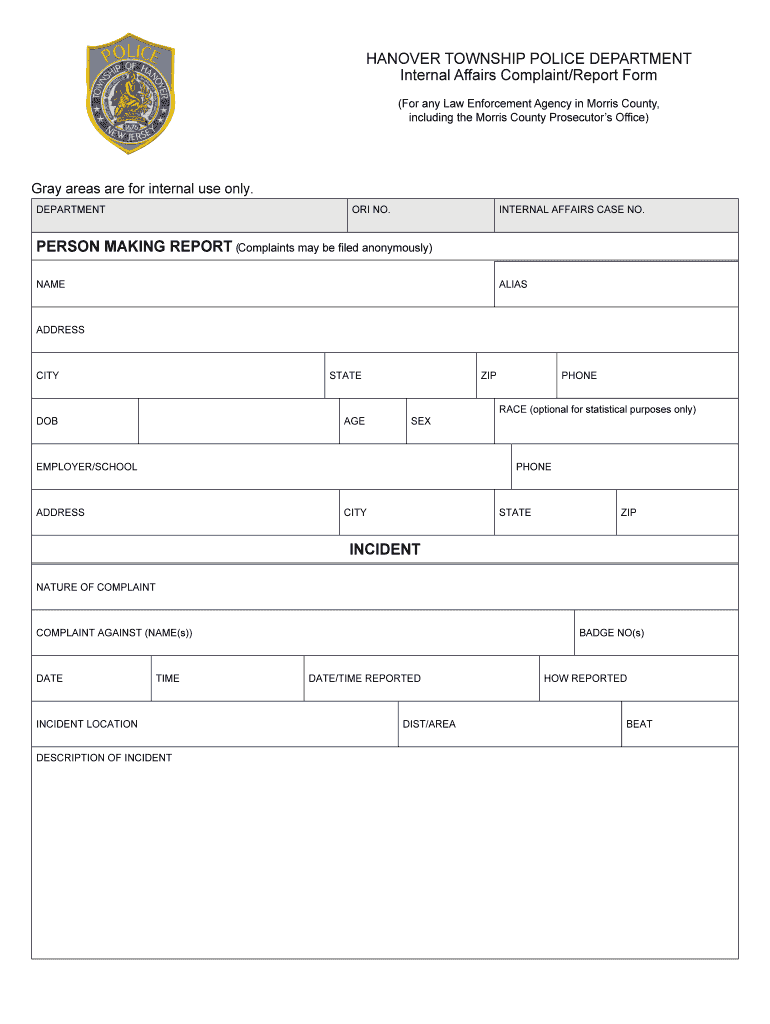
A comprehensive police report template typically includes several key sections that detail the nature of the incident. This foundational information is critical for any police report.
- Incident Details: Information related to the time, date, and location of the incident.
- Parties Involved: Identification of individuals involved, including victims, witnesses, and suspects.
- Description of Events: A narrative section where the officer outlines the events as they unfolded, including any observations made.
- Evidence Collected: Details of any physical evidence, photographs, or other documentation that supports the report.
This structured approach helps ensure that all necessary information is captured systematically to provide a clear account of what occurred.
Types of Police Report Templates
Different scenarios require tailored templates to ensure all relevant information is recorded appropriately. Common types of police report templates include:
- Incident Report Template: Focuses on detailing the facts surrounding a specific incident, including witness statements and observations.
- Arrest Report Template: Specifically used to record details when an individual is arrested, including charges and any rights read to the suspect.
- Accident Report Template: Designed for use in traffic collisions, capturing vehicle information, witness details, and environmental conditions.
Each type serves a unique purpose and is adapted to meet the needs of various situations encountered by law enforcement.
Formatting and Structure of a Police Report
The format and structure of a police report template are vital for clarity and ease of use. A standard police report typically features:
- Header Section: Contains the title and case number, officers' names, and department information.
- Case Summary: A brief overview of the incident.
- Detailed Incident Description: A chronological account of events.
- Investigation Findings: Summarizes findings from the investigation and any conclusions drawn.
Using consistent formatting not only enhances professionalism but also aids in quick reference during investigations or legal inquiries.
Legal and Ethical Considerations
When drafting a police report, it is essential to adhere to legal standards and ethical guidelines. Key considerations include:
- Accuracy and Objectivity: Reports must reflect the truth without bias, as they may be scrutinized in court.
- Confidentiality: Protecting sensitive information about individuals is paramount to maintain privacy and comply with regulations.
- Documentation Practices: Proper procedures for documenting evidence ensure the integrity of the report and its findings.
Adhering to these guidelines helps uphold the credibility of law enforcement and fosters public trust.
Utilizing Templates for Various Platforms
Police report templates can be adapted for use across multiple platforms, facilitating ease of document creation and sharing. For example:
- Police Report Template PDF: A versatile format that ensures consistency and can be easily printed or shared electronically.
- Fillable Police Report Template: Allows for online completion, where officers can fill in required fields electronically, enhancing efficiency.
- Google Docs Police Report Template: Provides collaborative capabilities, enabling real-time editing and feedback from multiple officers involved in an investigation.
Choosing the right format enhances the workflow within the police department while ensuring that reports remain accessible and organized.
Importance of Training and Consistency
To maximize the efficacy of police report templates, law enforcement agencies should invest in training for personnel on how to correctly use these templates. Consistent practices promote:
- Greater Uniformity: Uniform reporting standards across departments enable easier comparisons and reference.
- Improved Data Analysis: Standardized data collection facilitates better aggregation and analysis of crime statistics, supporting law enforcement strategies.
- Enhanced Investigation Quality: Thorough and accurate reports contribute to the overall quality of. investigations and can significantly impact case outcomes.
Continuous education and reinforcement of best practices ensure that officers maintain the highest standards when documenting incidents.
Adapting Templates for Specific Cases
In certain situations, police report templates may require customization to cater to specific cases. Officers can adjust templates based on:
- Incident Complexity: More complex incidents may need additional sections or fields to adequately capture all relevant information.
- Local Statutes and Jurisdictions: Different jurisdictions might have specific requirements that necessitate modifications to existing templates.
This adaptability ensures that all reports meet legal requirements and appropriately address the complexities involved in various law enforcement scenarios.
Examples of Common Police Report Templates
To illustrate practical applications, several commonly used templates within law enforcement that serve varied needs include:
- Crime Report Template: Used for documenting facts regarding criminal activity.
- Witness Statement Template: Specifically designed to gather detailed accounts from witnesses.
- Suspect Information Template: Captures comprehensive details about suspects, aiding in investigations.
These examples highlight the diversity of templates and their roles in the overall reporting process, ensuring that every piece of information is methodically organized and readily available for future reference.