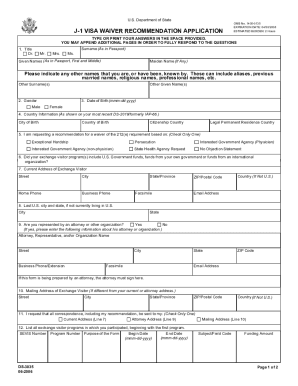
Definition and Purpose of the Internship Final Evaluation
The "Internship Final Evaluation - Hamline University" form is a critical tool used by site supervisors to assess the performance and development of interns from Hamline University. This comprehensive evaluation encompasses various aspects of professional and personal growth, aiming to provide constructive feedback that aids career preparation and personal development. The form is designed to evaluate key competencies such as communication skills, problem-solving abilities, teamwork, cultural effectiveness, and self-management.
Key Areas of Assessment
- Communication Skills: Evaluates the intern's ability to effectively exchange information, ideas, and solutions both verbally and in writing.
- Cultural Effectiveness: Assesses the intern's ability to work and communicate with people from diverse backgrounds, respecting and valuing different perspectives.
- Problem-Solving Abilities: Measures the intern's capability to identify problems, propose solutions, and effectively implement them.
- Teamwork and Collaboration: Focuses on the intern's ability to work collaboratively within a team setting, contributing positively to group dynamics.
How to Use the Internship Final Evaluation Form
Steps to Complete the Evaluation
- Gather Necessary Information: Before starting, ensure you have comprehensive data regarding the intern's performance and contributions during their tenure.
- Complete Each Section: Evaluate each skill area using the provided rating scale, typically from one to five, with specific comments highlighting strengths and areas for improvement.
- Provide Constructive Feedback: Offer specific, actionable feedback that can help the intern grow professionally and personally.
- Submit the Evaluation: Once completed, ensure the form is submitted to the relevant department or individual at Hamline University, typically the career services or internship program coordinator.
Tips for Effective Evaluation
- Be Objective: Focus on specific examples and evidence of performance rather than personal opinions.
- Use Clear, Concise Language: Ensure that feedback is understandable and actionable for the intern.
- Highlight Strengths and Areas for Growth: Balance your evaluation by acknowledging achievements and identifying opportunities for improvement.
Who Typically Uses the Internship Final Evaluation

Primary Users
- Site Supervisors: Individuals responsible for overseeing intern activities and performance during the internship period.
- Internship Coordinators: Faculty or staff members who manage and facilitate internship programs, ensuring academic and experiential learning outcomes are met.
Key Elements of the Internship Final Evaluation
Sections of the Evaluation Form
- Personal and Professional Development: Evaluation of an intern's growth in professional etiquette, initiative, and self-management.
- Technical and Job-Specific Skills: Assessment of specific skills required for the internship role, including technical proficiency and industry knowledge.
- Overall Performance and Feedback: A comprehensive review of the intern’s overall contribution and effectiveness, along with forward-looking feedback.
Rating Scale Details
- Rating from 1 to 5: Each skill or competency area is rated on a scale of one (needs improvement) to five (outstanding), allowing for a nuanced assessment of performance.
Versions and Alternatives to the Internship Final Evaluation Form
Adaptations and Related Tools
- Customized Evaluations: Some organizations may adapt the standard form to better suit specific industry needs or organizational goals.
- Alternative Assessment Tools: Other universities might use different forms or digital platforms designed for similar purposes, each with unique competencies or criteria.
Digital vs. Paper Versions
Benefits of Digital Forms
- Accessibility and Convenience: Digital versions can be filled, submitted, and stored efficiently, simplifying the administrative process.
- Real-Time Updates and Collaboration: Allow for easy updates and shared access among stakeholders, facilitating a collaborative feedback process.
Considerations for Paper Versions
- Documentation and Record-Keeping: Hard copies provide a tangible record that can be archived physically for verification or reference purposes.
- Preference and Familiarity: Some users might prefer paper forms due to familiarity or logistical constraints of digital access.
Important Terms Related to the Internship Final Evaluation
Glossary of Key Concepts
- Internship Coordinator: The individual responsible for connecting interns with opportunities and supporting them throughout the process.
- Professional Development: The continuous process of acquiring new skills, knowledge, and experience to enhance one's professional capabilities.
Essential Vocabulary
- Cultural Competency: The ability to understand, communicate, and effectively interact with people across cultures.
- Feedback Loop: A systematic approach to provide, receive, and implement feedback for ongoing improvement.
State-Specific Rules and Variations
Compliance and Regional Differences
- University Policies: Differences may exist based on Hamline University's specific policies and guidelines, which may vary from other institutions.
- State Internship Regulations: Some states may have specific requirements or protections for internships that can affect evaluation criteria or documentation needs.
Local Adaptations
- Regional Considerations: Be aware of any local laws or norms that may influence the internship and its evaluation, ensuring compliance and relevance.