Definition & Meaning
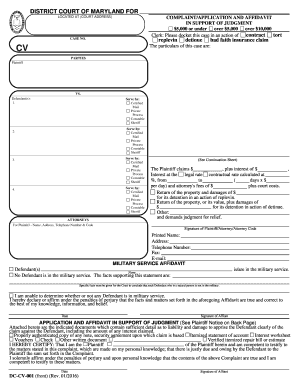
The term "bond for a bonded wine cellar" refers to the financial assurance required by the U.S. government for winemakers who store wine under bond, a system designed to defer tax payments until the wine is removed for sale. This bond acts as a guarantee that the taxes owed on the wine will be paid. Section 5354 of Title 26 of the U.S. Code outlines these bonding requirements, detailing the forms, conditions, and penalty sums associated with bonded wine cellars. The significance of this bond is to protect federal revenue by ensuring compliance with tax obligations.
How to Obtain the Bond
To obtain a bond for a bonded wine cellar, winemakers must apply through a licensed surety company approved by the U.S. Department of the Treasury. The process typically involves providing financial and operational information about the winery. The surety company assesses the risk and sets the bond amount, which may vary based on the wine production volume and associated tax liabilities. Once the application is submitted and approved, the bond becomes a formal guarantee that the winery will adhere to all federal regulations concerning wine tax payments.
Steps to Complete the Bond Form
- Gather Information: Collect details about your winery, including production volumes and financial statements.
- Choose a Surety Company: Identify a federally approved surety company that offers bonding for wine cellars.
- Application Submission: Fill out the bonding form provided by the chosen surety company and submit the necessary documentation.
- Surety Assessment: Await the surety company's review, where they evaluate risk and determine bond amount.
- Payment: Pay the premium set by the surety company based on the assessed bond value.
- Receive Bond Approval: Once the bond is approved, ensure it is filed appropriately, either with the Alcohol and Tobacco Tax and Trade Bureau (TTB) or as required by your state regulations.
Key Elements of the Bond
- Penal Sum: The maximum dollar amount covered by the bond, determined based on estimated tax liabilities.
- Bond Conditions: Specific terms under which the bond is voided, often linked to compliance with tax payments.
- Supplementary Bonds: Additional bonds required if production increases or taxes are deferred.
- Liability Coverage: Assurance that taxes will be paid irrespective of the winery's financial situation.
Legal Use of the Bond
Legally, the bond for a bonded wine cellar is critical in ensuring that taxes on wine production and warehousing are correctly calculated and paid. It provides financial protection to the federal government, securing expected revenue from wine taxes. Moreover, it legally binds winemakers to comply with regulations outlined under the Internal Revenue Code concerning wine storage and shipment from bonded facilities.
Who Typically Uses the Bond
The primary users of this bond are winemakers and business owners involved in storing and aging wines within bonded facilities in the U.S. These entities include small wineries, large vineyard operators, and commercial wine storage businesses. The bond ensures that all players in the wine production process fulfill their tax obligations.


State-Specific Rules
Each state might have specific regulations or additional requirements related to the bonding process. While federal regulations usually form the core, states such as California or Washington, with significant wine industries, may introduce unique rules for wine cellar bonding. Thus, understanding both federal and state-specific guidelines is crucial for compliance.
Penalties for Non-Compliance
Failing to secure or maintain a bond for a bonded wine cellar can result in severe penalties. These include fines, revocation of permits, and possible legal action. Moreover, winemakers may lose the privilege to store wine under bond, leading to immediate tax liabilities on existing inventory.
Eligibility Criteria
Eligibility for obtaining a bond generally requires:
- Federal Permit Holders: Individuals or entities with a permit from the TTB.
- Adequate Financial Standing: Demonstrable financial capability to cover potential tax liabilities.
- Operational Compliance: Adherence to federal regulations regarding wine production and storage.

Examples of Using the Bond
An example of practical application includes a new vineyard in Napa Valley seeking to expand its facilities. The vineyard must first secure a bond fulfilling legal obligations before storing wine under bond. This ensures they defer tax payments until wine is distributed, allowing for financial agility and compliance with federal laws.