Definition and Purpose of Accessible PDFs and Fillable Forms - InfoHub
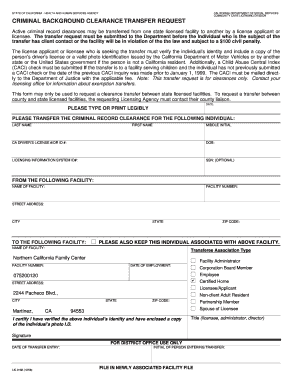
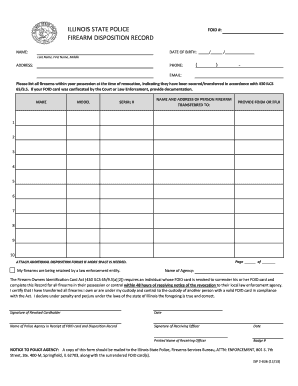
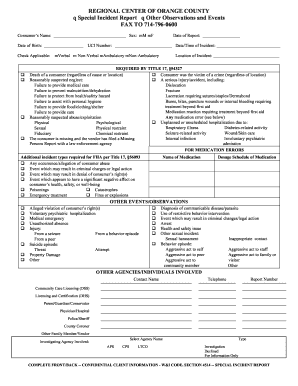
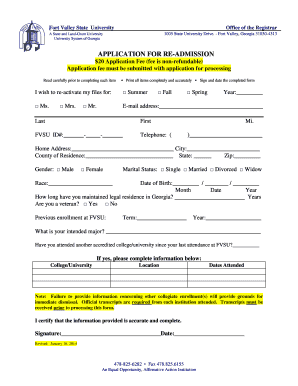
Accessible PDFs and fillable forms are digital document formats designed to accommodate all users, including those with disabilities, ensuring that everyone can interact with the content. This is particularly important for organizations that are committed to inclusivity and accessibility, adhering to legal standards like the Americans with Disabilities Act (ADA) and Section 508 of the Rehabilitation Act. These forms enable users to navigate documents easily, complete them with interactive fields, and ensure compatibility with screen readers and other assistive technologies. In the context of the InfoHub, these forms are critical for creating, managing, and distributing accessible documents.
How to Use the Accessible PDFs and Fillable Forms - InfoHub
Using accessible PDFs and fillable forms involves several key steps to ensure efficiency and compliance:
-
Document Creation: Start by using a compatible file format, such as PDF or Word, to create the document. This helps maintain accessibility as the document is converted into a PDF or form.
-
Form Fields Integration: Insert various form fields such as text boxes, checkboxes, and buttons. This interactivity is crucial for collecting information and providing a seamless user experience.
-
Accessibility Check: Use accessibility tools to ensure that the document meets the necessary guidelines, such as including alternative text for images and ensuring the document has a logical reading order.
-
Testing with Assistive Technology: It’s essential to test documents with screen readers and other assistive technology to ensure compatibility and ease of use for all users.
-
Distribution and Feedback: Distribute the form and request feedback to identify any accessibility issues that need addressing.
Steps to Complete the Accessible PDFs and Fillable Forms - InfoHub
Completing accessible PDFs or fillable forms involves understanding the structure and the necessary information required:
-
Open and Review the Form: Start by opening the document in a PDF reader to review all sections. Note mandatory fields marked as required.
-
Fill Out the Form Fields: Enter your information into designated text boxes and select options from dropdown menus or checkboxes. Ensure each section is complete before moving to the next to prevent data loss.
-
Save and Double-check: Save your progress and double-check entries for accuracy and completeness.
-
Submit or Export: Depending on the instructions, submit the form electronically, or download it for printing and mailing. Make sure to adhere to any specified deadlines.
Who Typically Uses Accessible PDFs and Fillable Forms - InfoHub
Accessible PDFs and fillable forms are used by diverse groups, including:
- Government Agencies: For creating forms that ensure compliance with accessibility laws and gather data efficiently.
- Educational Institutions: Schools and universities use these forms to ensure all students, including those with disabilities, can access and complete necessary documents.
- Businesses: Corporations utilize these forms to maintain inclusive practices while collecting information from employees or clients.
- Non-Profit Organizations: To facilitate easy access to forms for volunteers and beneficiaries, ensuring inclusivity.
Key Elements of Accessible PDFs and Fillable Forms - InfoHub
Several critical components ensure the accessibility and usability of these forms:
-
Structured Layout: The document should have a clear structure, with headings and subheadings appropriately tagged for navigation.
-
Form Fields: Proper labeling of form fields aids users and screen readers, making data entry straightforward.
-
Text Descriptions: Alternative text for images and detailed captions for tables assist users in understanding visual content.
-
Readable Font: Fonts should be easy to read, with adequate contrast between text and background to enhance visibility.
Legal Use of Accessible PDFs and Fillable Forms - InfoHub
Creating and distributing accessible PDFs and fillable forms is legally significant, especially in regions requiring compliance with accessibility laws:
-
Americans with Disabilities Act (ADA): Ensures equal access to public information for people with disabilities.
-
Section 508 of the Rehabilitation Act: Mandates that federal agencies create accessible electronic and information technology.
These forms help organizations comply with these laws, avoiding legal repercussions and fostering inclusivity.
State-Specific Rules for Accessible PDFs and Fillable Forms - InfoHub
While federal regulations mandate certain accessibility standards, individual states may have additional guidelines or rules:
-
California: California adopts more stringent accessibility requirements for all digital communications and forms used by public entities and contractors.
-
New York: New York's executive orders extend accessibility requirements to include broader public sectors beyond federal mandates.
Organizations should verify state-specific requirements to ensure compliance across different jurisdictions.
Software Compatibility and Integration
Creating accessible PDFs and fillable forms often involves specific software tools to enhance functionality and integration:
-
DocHub and Adobe Acrobat: These tools provide comprehensive features like creating form fields, adding signatures, and performing accessibility checks.
-
Integration with Cloud Services: Integrating with cloud services like Google Workspace enables seamless access and sharing of documents, facilitating collaboration.
-
Assistive Technology Compatibility: Ensure that the form is compatible with screen readers like JAWS or NVDA to accommodate all users.
This comprehensive approach ensures that accessible PDFs and fillable forms not only meet legal requirements but also provide a smooth user experience for everyone, embodying inclusive practices.