




01. Edit your fillable agent of record form online
Type text, add images, blackout confidential details, add comments, highlights and more.

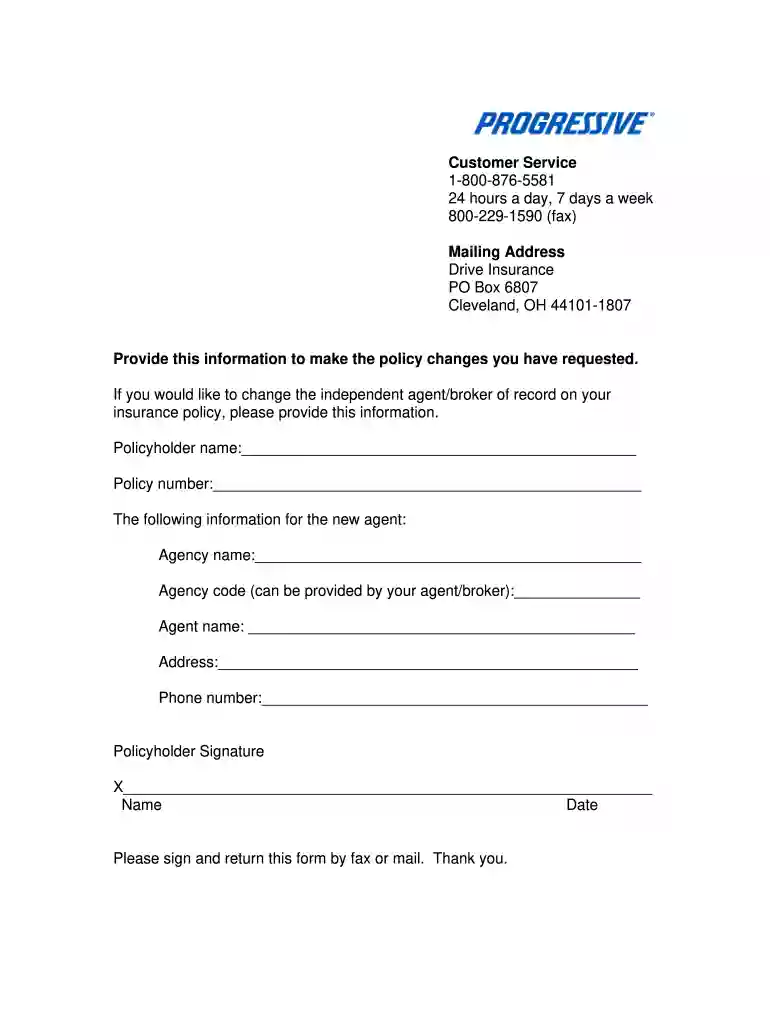
Type text, add images, blackout confidential details, add comments, highlights and more.

Draw your signature, type it, upload its image, or use your mobile device as a signature pad.

Send agent of record letter sample via email, link, or fax. You can also download it, export it or print it out.
The Acord Agent of Record form serves as a crucial document in the insurance industry, establishing a formal relationship between a policyholder and their chosen insurance agent. This form designates the agent authorized to act on behalf of the policyholder in matters relating to their insurance coverage. Essentially, it acts as a written acknowledgment of this relationship, which ensures that agents receive any due commissions while facilitating smoother communication between all involved parties.
Filling out the Acord Agent of Record form requires careful attention to detail. Here are the steps to ensure accurate completion:
Gather Required Information: Collect all necessary details, including the policyholder's name, contact information, and policy number.
Enter Agent Information: Fill in the agent's name, agency name, and contact details. It is essential to ensure this information matches what is on record with the insurance company.
Signatures: Both the policyholder and the new agent must sign the form. This action confirms that both parties agree to the change in representation.
Submission: Decide on the method of submission—this can typically be done via mail, fax, or electronically, depending on the insurance provider's requirements.
Follow Up: After submission, check with the insurance company to confirm receipt and processing of the form to avoid any lapse in coverage.
This form plays a vital role in managing insurance relationships. By officially designating an agent, policyholders can ensure that their interests are represented when it comes to claims, policy changes, and renewals. Here are some specific reasons for its importance:
The Acord Agent of Record form is legally recognized within the insurance industry. When properly executed, it confirms the policyholder's intent and authorizes the agent to operate on their behalf. Understanding the legal implications is crucial, as improper use could lead to disputes over authority or commissions.
The form typically contains several sections, which include the following key components:
This structured format ensures clarity and makes it easy for all parties to understand their roles and responsibilities.
The Acord Agent of Record form is utilized across varied scenarios, including:
Understanding these scenarios is important for agents and policyholders alike, as it ensures that everyone is aware of how and when to use this form effectively.
We've got more versions of the fillable agent of record form form. Select the right fillable agent of record form version from the list and start editing it straight away!
| Versions | Form popularity | Fillable & printable |
|---|---|---|
| 2007 | 4.5 Satisfied (52 Votes) |
At DocHub, your data security is our priority. We follow HIPAA, SOC2, GDPR, and other standards, so you can work on your documents with confidence.
Partner information form template. Connection to trading partners (Many customers consider this step to be part of the daily operational tasks that theirRead more
Oct 1, 2025 This form is only required when there is a supplemental or P.O. Box address required for the delivery of funds. This form is provided in thisRead more


