




01. Edit your form online
Type text, add images, blackout confidential details, add comments, highlights and more.

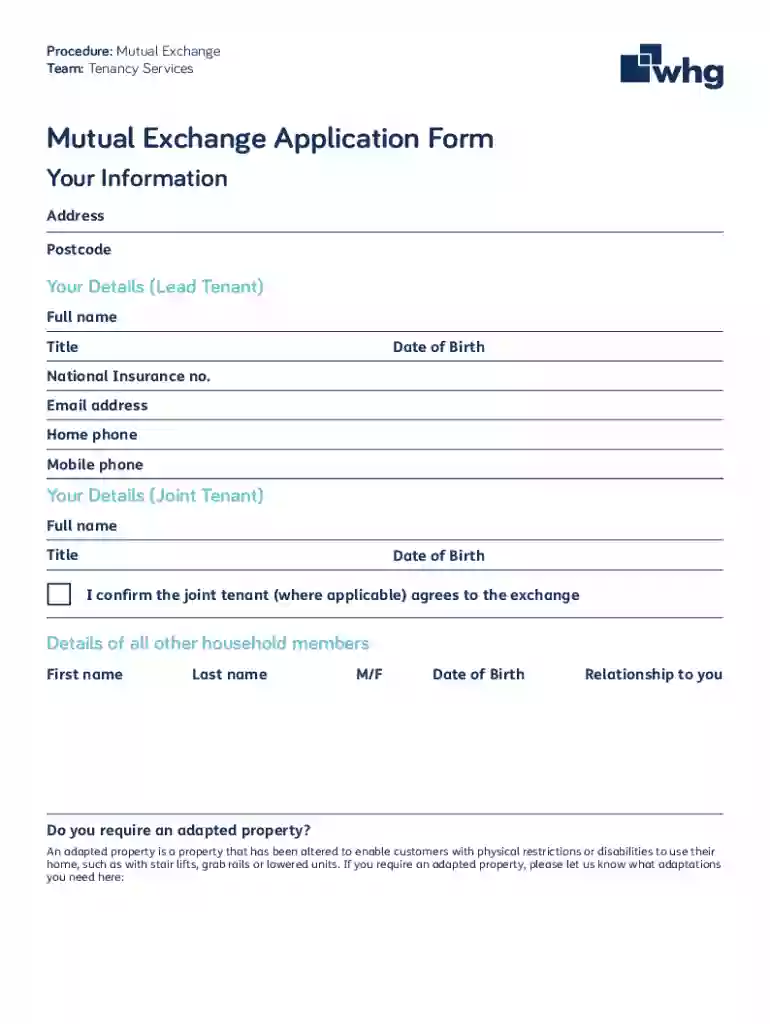
Type text, add images, blackout confidential details, add comments, highlights and more.

Draw your signature, type it, upload its image, or use your mobile device as a signature pad.

Send it via email, link, or fax. You can also download it, export it or print it out.
The Lodgers, Subletting and Tenancy Fraud Policy is a document designed to outline the rules and regulations regarding subletting and other tenancy-related activities as outlined by WHG (whg). It provides clear guidelines to mitigate the risks associated with unauthorized renting and fraudulent activities in a rental property. This policy is critical in ensuring compliance and protecting the interests of both landlords and tenants.
To effectively use this policy, tenants and landlords should familiarize themselves with its key components and procedures. It serves as a guiding document for managing lodgers and subletting arrangements.
Understanding the key elements of this policy is essential for both tenants and landlords. These elements serve as the backbone of the policy and are designed to cover a broad array of scenarios.
This policy is primarily utilized by tenants and landlords within WHG properties to ensure adherence to lawful renting practices.


The policy is crafted with legal precision to ensure all actions comply with local and federal rental laws. This includes the legal framework surrounding subletting and tenancy fraud.
Completing the policy involves ensuring all documentation and agreements are in place and comprehended by both parties involved.
Familiarizing oneself with key terminology can aid in understanding the policy more thoroughly and accurately.
Failure to adhere to the guidelines set forth in this policy can lead to severe consequences. Understanding these penalties is crucial.
At DocHub, your data security is our priority. We follow HIPAA, SOC2, GDPR, and other standards, so you can work on your documents with confidence.

If you plan to sublease your apartment or house, you typically must obtain prior approval from the landlord, Tenants have some recourse, such as going to small
California Tenants A Guide to Residential Tenants and Landlords Rights and. Responsibilities was written initially by the Department of Consumer AffairsRead more


