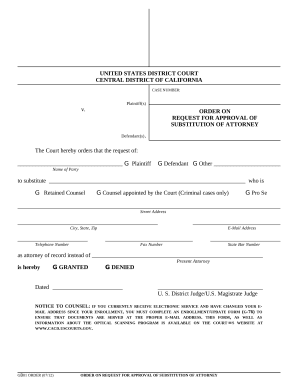
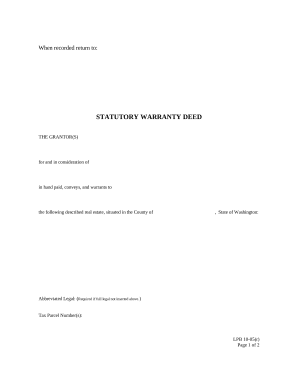
01. Edit your renunciation of executor form new york state online
Type text, add images, blackout confidential details, add comments, highlights and more.

Type text, add images, blackout confidential details, add comments, highlights and more.

Draw your signature, type it, upload its image, or use your mobile device as a signature pad.

Send renunciation of executor form ny via email, link, or fax. You can also download it, export it or print it out.
The renunciation of nominated executor form in New York is a legal document used when a person who has been named as an executor in a will chooses not to accept the responsibility. Executors are individuals appointed to manage the estate of a deceased person. Renouncing this role means formally declining to perform the duties and responsibilities typically required of an executor. This form is essential because it officially records the decision and allows the next eligible individual to assume the role.
Renouncing the position of executor is not to be taken lightly. An executor's duties can be time-consuming and complex, often requiring knowledge of legal and financial processes. By completing the renunciation form, the nominated executor ensures a smooth transition to an alternate individual who may be better suited or more willing to manage the estate.
The renunciation form includes several critical components that must be completed accurately to be legally binding:
New York has unique regulations governing the renunciation of executors. Understanding these state-specific rules is crucial:
Legally, the renunciation form ensures that the executor’s responsibilities are formally relinquished, preventing any potential legal liabilities associated with estate management. Not complying with this process correctly can lead to complications in executing the deceased's will, impacting beneficiaries and other stakeholders.
Failure to submit the renunciation form promptly can lead to:
The form is accessible through multiple channels:
Executors may choose to renounce their role for various reasons:
These scenarios highlight why the renunciation form is a vital tool for ensuring the proper management of a deceased person’s estate without undue burdens on unwilling executors.
At DocHub, your data security is our priority. We follow HIPAA, SOC2, GDPR, and other standards, so you can work on your documents with confidence.