Definition & Purpose of Larimer County Divorce Forms
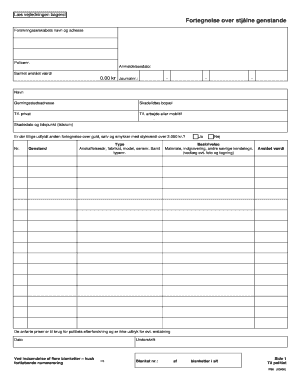
The Larimer County divorce forms are legal documents used for initiating and processing a divorce in Larimer County, Colorado. These forms outline the necessary information for the dissolution of a marriage, including the division of property, child custody, and support arrangements. The forms serve as an official request to the court to grant the divorce, and they ensure that both parties have agreed upon the terms. Each form is designed to capture comprehensive details about the marriage, including financial disclosures and parenting plans, if applicable.
Important Terms Related to Divorce Forms
Several key terms are essential to understanding the content and context of divorce forms:
- Petitioner: The spouse who initiates the divorce by filing the necessary papers.
- Respondent: The other spouse who must respond to the divorce filing.
- Decree of Dissolution: The final document issued by the court that legally ends the marriage.
- Alimony: Financial support paid by one spouse to the other after the divorce.
- Custody: Legal responsibility for the care and decision-making for a child.
Understanding these terms can help individuals navigate the form-completion process more effectively.
How to Obtain the Larimer County Divorce Forms
Securing the official divorce forms can be done through several methods:
- County Court Clerk’s Office: Visit the Larimer County Courthouse to request paper copies.
- Online Access: The forms may be available on the official Larimer County court website.
- Legal Assistance Services: Lawyers and legal aid services often provide access to these forms.
Once obtained, reviewing the forms thoroughly is crucial to ensure that all sections are completed accurately.
Steps to Complete the Divorce Forms
Completing the Larimer County divorce forms involves several organized steps:
- Gather Personal Information: Collect all necessary personal identification and marriage details.
- Financial Disclosures: Provide full disclosure of all financial assets and liabilities.
- Child Arrangements: Outline any existing or proposed custody and child support arrangements.
- Filing: Submit completed forms to the proper court location, either in person or via mail.
Ensuring all sections are filled out correctly helps prevent delays in processing.
Legal Use and Importance
These forms carry significant legal weight and implications. They not only formally document the intent to dissolve a marriage but also present the court with the agreed terms regarding the division of assets and child-related decisions. Accurate completion and filing are mandated to align with Colorado's legal framework, helping facilitate a smoother divorce process.
State-Specific Rules
It's imperative to adhere to Colorado's state-specific rules regarding divorces. For instance, Colorado is a no-fault divorce state, meaning neither spouse needs to prove wrongdoing. This affects how the paperwork is completed and the language used. Understanding state-specific nuances ensures compliance and effectiveness of the divorce proceedings.
Who Typically Uses the Divorce Forms
These forms are generally used by:
- Married couples: Seeking legal separation or dissolution of marriage.
- Legal Representatives: On behalf of clients needing assistance with filing.
- Self-representing individuals: Those who choose not to employ an attorney can use these forms to proceed pro se.
The forms are designed to be accessible and usable across various scenarios.


Examples of Using Divorce Forms
Case Study 1: A situation involving mutual consent where both parties agree on all terms can streamline the process, reflecting promptly in the filled forms.
Case Study 2: In contested divorces, one may fill out additional sections detailing disputes over asset division that can lead to hearings or mediation.
By understanding these scenarios, individuals can better anticipate the complexity of their filing processes.
Required Documents for Form Completion
The divorce forms mandate several accompanying documents:
- Marriage Certificate: Proof of the marriage.
- Financial Statements: Documents that disclose income, expenses, assets, and liabilities.
- Parenting Plans: Outlines custody and visitation schedules.
- Spousal and Child Support Documentation: Evidence of current or proposed support payments.
Ensuring these documents are included helps corroborate the information provided on the forms.
Form Submission Methods: Online and In-Person
While submitting the forms, individuals have two options:
- Online: Some jurisdictions may allow electronic submission through the court’s official portal.
- In-Person: Physical submission directly at the courthouse remains a reliable method.
Choosing the appropriate method depends on convenience and the specific requirements of Larimer County’s court system.