




01. Edit your form online
Type text, add images, blackout confidential details, add comments, highlights and more.

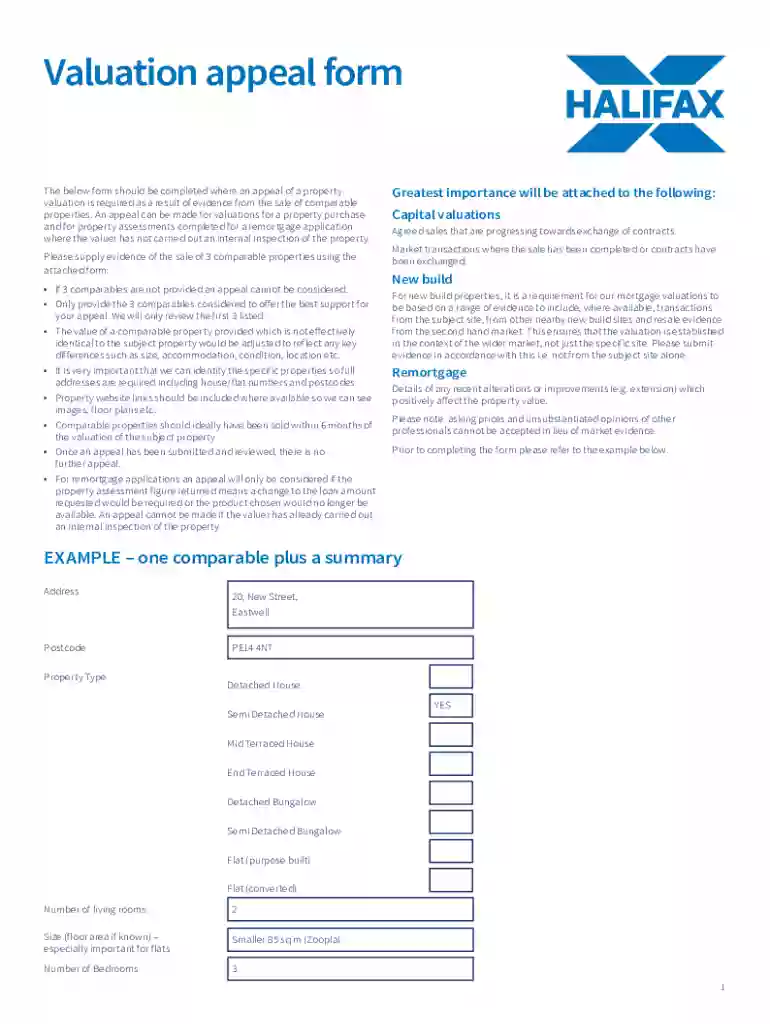
Type text, add images, blackout confidential details, add comments, highlights and more.

Draw your signature, type it, upload its image, or use your mobile device as a signature pad.

Send it via email, link, or fax. You can also download it, export it or print it out.
Property tax appeals are formal processes through which property owners can dispute the assessed value of their property. This can occur when the owner believes the valuation is inaccurate or does not reflect the property's fair market value. Understanding the significance of accurate property assessments is crucial, as these values determine the amount of property tax owed. By appealing a property's valuation, owners aim to ensure that their tax responsibilities are fair and reflective of the property's true worth.
Review Your Assessment Notice: Start by examining the property assessment notice you receive annually. This document will provide details on the assessed value, which is the figure the appeal will critique.
Gather Evidence: Collect evidence supporting your claim for a lower property assessment. This includes recent sales data of comparable properties, evaluations from professional appraisers, and any documentation supporting discrepancies in valuation.
File the Appeal: Submit the appeal with the required documentation to the local assessor's office. Each jurisdiction might have specific forms and methods (online, mail, or in-person) for filing.
Attend the Hearing: Attend a scheduled hearing where you present your case. Bringing all relevant evidence and understanding local property tax laws will strengthen your argument.
Await Decision: After the hearing, wait for the decision. If successful, your property tax obligation will be adjusted to reflect the new assessment.
Each jurisdiction in the United States has specific deadlines for filing property tax appeals. Typically, these deadlines occur soon after assessment notices are distributed. It is crucial to mark the last date for filing appeals on your calendar to ensure your case is considered. Missing these dates means forfeiting the opportunity to contest your property’s value for that tax year.
To ensure your appeal is well-founded, compile the following documents:
Having these documents organized and ready will facilitate a smoother appeals process.
Property tax appeals are primarily used by individual homeowners and business property owners who believe their property assessment does not accurately reflect market value. Corporations, developers, and investors are also frequent users of appeals, especially when properties are significantly large or unique, leading to potential over-valuations. These users seek to ensure that their tax burdens are reflective of current property values and trends.
Eligibility for appealing a property tax assessment varies by state and local jurisdiction. Generally, property owners who can demonstrate that the assessed value exceeds the fair market value or that there were errors in the assessment process are eligible. Ownership proof and evidence substantiating your claim are typically required to initiate the appeal process.


Each state in the U.S. has distinct rules and regulations governing the property tax appeals process. Understanding your state's requirements, such as the format of the evidence required or specific filing protocols, is essential to successfully challenge an assessment. Moreover, some states have broader leeway in appeals, while others have stringent criteria that must be met.
Property tax appeal submissions can vary in methods, which commonly include online portals, mail, and in-person options. Digital submissions often provide a streamlined process and immediate confirmation, while mail and in-person submissions allow for personal interactions and hand-delivered assurance of receipt. It is important to confirm the acceptable submission methods in your jurisdiction before proceeding.
We've got more versions of the Property Tax Appeals: When, How, and Why To Submit (Plus A form. Select the right Property Tax Appeals: When, How, and Why To Submit (Plus A version from the list and start editing it straight away!
At DocHub, your data security is our priority. We follow HIPAA, SOC2, GDPR, and other standards, so you can work on your documents with confidence.

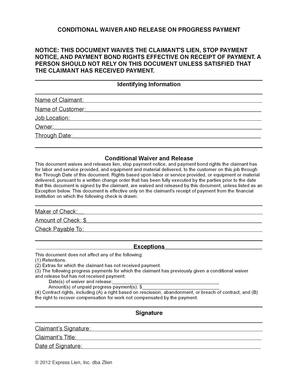


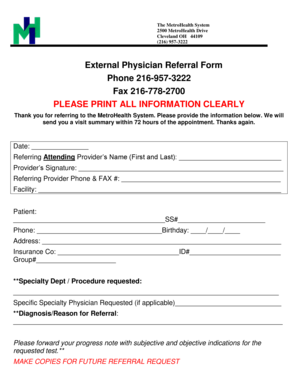
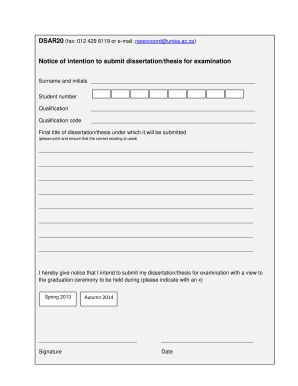


Aug 2, 2026 Step 1: Written objection to the Assessor. Demand a personal hearing under natural justice. The window is usually 30 days from the special
by RN Weber 2006 Cited by 1 Appeals are costly to the assessing unit, who must devote scarce resources and staff time to their management. Appeals are also costly for those taxing


