



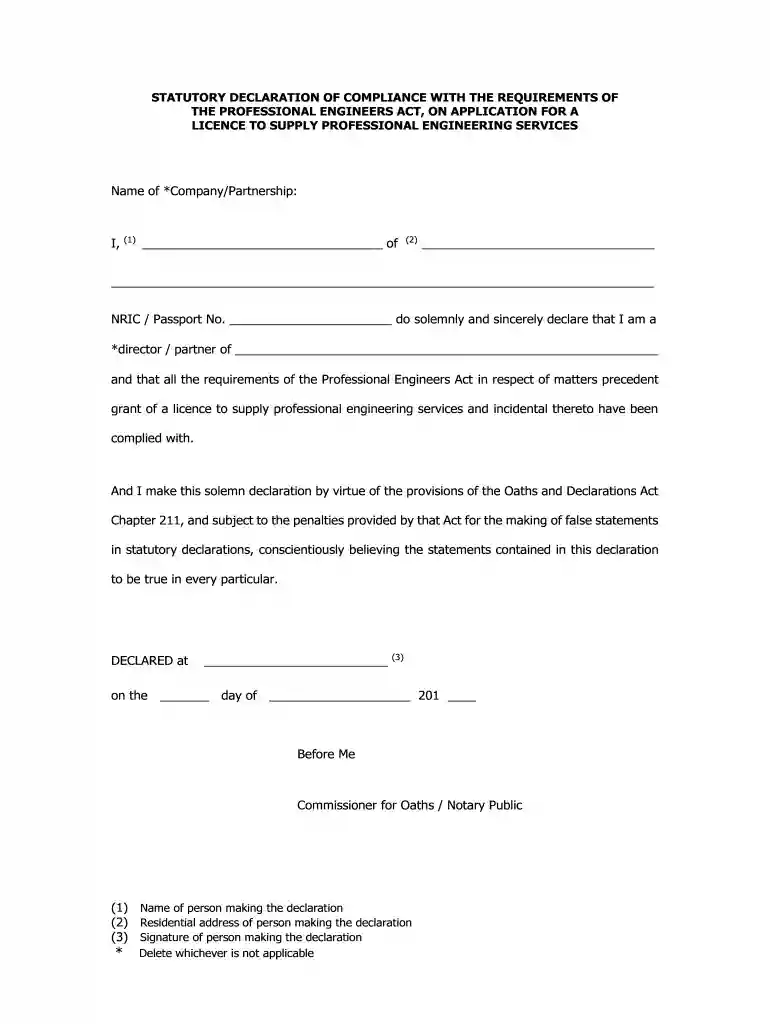
01. Edit your statutory declaration compliance online
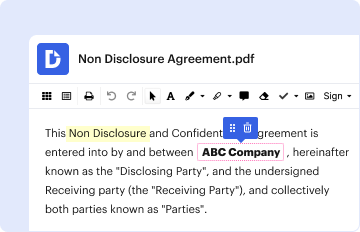
Type text, add images, blackout confidential details, add comments, highlights and more.

Type text, add images, blackout confidential details, add comments, highlights and more.
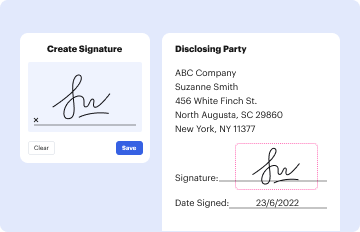
Draw your signature, type it, upload its image, or use your mobile device as a signature pad.
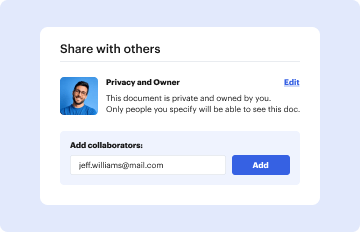
Send statutory declaration of compliance via email, link, or fax. You can also download it, export it or print it out.
A statutory declaration engineering form is a legally binding document used primarily within the engineering sector to affirm compliance with specific legal requirements set forth by regulatory bodies such as the Professional Engineers Act. This form is crucial when a company or partnership is applying for a license to provide professional engineering services. The document typically includes personal information of the declarant, their role within the organization, and an affirmation of adherence to all necessary legal and professional obligations.
Statutory declarations differ from affidavits in that no oath is administered before an official commissioner. These forms are usually used in scenarios where sworn statements are not legally mandated but where declarations of truth are required. They are recognized in court and legal proceedings and can be used to verify the authenticity of the declarant’s statements.
Using the statutory declaration engineering form requires careful attention to detail to ensure all necessary sections are accurately completed. Individuals must clearly fill out their personal information and specify their role within the organization applying for the engineering license. This form should also detail the specific regulatory compliance statements being affirmed.
Filling out the statutory declaration engineering form involves a step-by-step process to ensure compliance and accuracy.
Each statutory declaration engineering form has crucial components that need precise attention to detail.
This form is primarily utilized by engineering companies or partnerships, especially those involved in public infrastructure projects or other professional engineering services. It’s a critical tool for compliance officers, legal teams within engineering firms, and independent engineers needing to affirm adherence to statutory requirements.
Professional associations and regulatory bodies may also use this document as part of their licensing or compliance verification processes. The form is vital for firms intending to renew their licenses or demonstrate ongoing compliance with engineering practice regulations.


Legally, the statutory declaration engineering form is used to affirm compliance with engineering laws and regulations. It acts as a documented confirmation that a company or individual abides by specified conditions, which can be crucial during audits, legal inspections, or certification processes by regulatory bodies.
Given the formal nature and the importance of truthful declarations, any false declarations can result in severe penalties, including legal action, fines, or the revocation of engineering licenses. It is therefore imperative that all information declared is accurate and verified.
Different states in the U.S. might have varied requirements regarding statutory declaration forms due to local laws and regulations. It is essential to be aware of any state-specific rules that might affect the completion or submission of the form.
Professional engineers and legal advisors within the state can provide guidance to ensure compliance with local statutory requirements.
Failing to properly complete or submit the statutory declaration engineering form can lead to significant consequences for both individuals and organizations. These penalties can include:
Understanding and adhering to all conditions and requirements associated with the form is essential to avoid severe financial and legal repercussions.
At DocHub, your data security is our priority. We follow HIPAA, SOC2, GDPR, and other standards, so you can work on your documents with confidence.



Our data protection declaration should be legible and understandable for the general public, as well as our customers and business partners.
All students must fully declare a major by completing the Major Specific Declaration Requirements (MSDR) for that major before earning 60 units.


