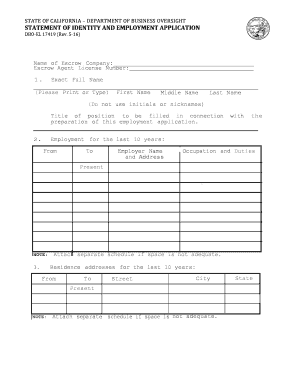
Form no 26a first sub section tax form 2026

Get Form
2008 nzta cr2 powered vehicles Preview on Page 1

Here's how it works

01. Edit your 2008 nzta cr2 powered vehicles online
Type text, add images, blackout confidential details, add comments, highlights and more.

02. Sign it in a few clicks
Draw your signature, type it, upload its image, or use your mobile device as a signature pad.

03. Share your form with others
Send 26a and 27ba via email, link, or fax. You can also download it, export it or print it out.

Definition and Purpose of Form No. 26A

Form No. 26A is specifically designed for certifying that certain payments were made without tax deduction at source, according to the Income-tax Act, 1961. This certification is issued by a qualified accountant to confirm that the payee has met all tax obligations, including the filing of income tax returns. The form details the nature and amount of the payment, any tax deductions that might apply, and an accountant's certification to validate compliance with tax laws. It essentially proves that both payer and payee are in compliance with their tax responsibilities, even in cases where tax was not initially withheld.

  • Accountant's Certification: Provides authenticity and compliance assurance.
  • Payment Details: Information on payments made without tax deduction.
  • Compliance Confirmation: Ensures both parties meet their tax obligations.

How to Use the Form No. 26A

Using Form No. 26A requires understanding both the payer's and the payee's responsibilities. The form is typically prepared and submitted by an accountant on behalf of the payer to affirm the financial interactions that occurred without direct tax deductions.

  1. Identify Transactions: Determine which payments require this form.
  2. Engage a Qualified Accountant: Obtain a certification that validates tax compliance.
  3. Accurate Entry: Ensure all payment details and compliance information are correct.
  4. Submission: File the form with the appropriate tax authorities to finalize the certification process.

This process ensures transparency and accuracy in tax reporting, aligning financial activities with legal obligations.

Steps to Complete the Form No. 26A

Completing Form No. 26A involves several critical steps to ensure that it provides a legitimate certification of tax compliance.

  1. Gather Necessary Documents: Include payment details and tax returns.
  2. Fill Out Payer Information: Include name, address, and tax identification details.
  3. Provide Payment Details: Specify amounts paid and reasons for non-deduction of tax.
  4. Include Accountant Certification: An accountant needs to certify compliance.
  5. Review for Accuracy: Double-check all entries for errors.
  6. Submit the Form: File with the relevant tax offices as per regulatory requirements.

Accuracy and adherence to guidelines are crucial to avoid compliance issues or penalties.

Eligibility Criteria for Using Form No. 26A

Eligibility to use Form No. 26A hinges on specific criteria established by tax regulations.

  • Taxpayer Compliance: The payee must have filed all required income tax returns for the payment period.
  • Payer's Responsibility: The payer is required to justify the absence of tax deduction.
  • Certified Accountant Participation: Only actions certified by a qualified accountant are recognized.
  • Documented Transactions: All transactions should be documented thoroughly for verification.

Meeting these eligibility criteria helps in maintaining legal compliance and securing the benefits intended by opting to use this form.


decoration image ratings of Dochub

Key Elements of Form No. 26A

Understanding the core components of this form enhances correct and complete submission.

  • Payer Details: Includes all identifying information about the payer.
  • Payee Details: Comprehensive payee information, including TIN and contact information.
  • Payment Information: Complete breakdown of the payment and reasons for non-deduction.
  • Accountant Certification: Essential for authenticating compliance and accuracy.

These elements ensure the form provides all necessary details for verifying tax compliance.

Legally Approved Scenarios for Form No. 26A Use

Form No. 26A is only valid in legally outlined scenarios, typically where specific exemptions or justifications for non-deduction apply.

  • Payment Types: Situations where the law permits non-deduction.
  • Audit and Compliance: Legal review and verification by authorities.
  • Exemption Proof: Certification by an accountant that tax obligations are met despite the lack of deduction at source.

Understanding these scenarios helps clarify when and why to use Form No. 26A.

Penalties for Non-Compliance with Form No. 26A

Failure to comply with regulations regarding Form No. 26A can result in significant penalties.

  • Fines and Penalties: Monetary fines imposed by tax authorities.
  • Interest on Outstanding Taxes: Additional charges on unpaid taxes.
  • Potential Legal Action: Severe cases might lead to legal proceedings.

Avoiding these penalties requires strict adherence to the processes and deadlines associated with Form No. 26A.

Examples of Using Form No. 26A

Real-world examples demonstrate the practical use of Form No. 26A for tax compliance.

  • Corporate Payments Example: A corporation pays consulting fees and uses Form No. 26A to certify non-deduction compliance.
  • Professional Services Example: A company engages a freelance professional and utilizes this form to confirm tax adherence.
  • International Transactions: Payments made to foreign vendors may also require this certification to ensure no local tax laws are violated.

Each example highlights dynamics where Form No. 26A is a critical instrument for confirming compliance with tax obligations, especially in professional settings.

be ready to get more

Complete this form in 5 minutes or less

Get form

Got questions?

We have answers to the most popular questions from our customers. If you can't find an answer to your question, please contact us.
Contact us
View Tax Credit Statement (Form 26AS) Go to the e-file Income Tax Returns and click on View Form 26AS. Read the disclaimer, click Confirm and the user will be redirected to TDS-CPC Portal. In the TDS-CPC Portal, Agree the acceptance of usage. Click Proceed.
Form 26AS provides important information about tax deducted/collected and deposited with the government tax authorities by the authorized deductors /collectors. A taxpayer can view all financial transactions involving TDS/TCS for the relevant financial year in Form 26AS.
Form 16 is a statement issued by the employer to the employee and consists of details regarding the employees TDS. Whereas Form 26AS is issued by the Income Tax Department. It provides details of the taxpayers TDS deducted at multiple sources, advance tax payments, and TCS collected by different collectors.
26A. [See rule 31ACB] Form for furnishing accountant certificate under the first proviso to sub-section (1) of section 201 of the Income-tax Act, 1961.
Section 26A of the Income Tax Act 58 of 1962 (the Act) provides that a taxable capital gain must be included in a persons taxable income. Capital gains tax is therefore not a separate tax but forms part of income tax.

Security and compliance

At DocHub, your data security is our priority. We follow HIPAA, SOC2, GDPR, and other standards, so you can work on your documents with confidence.

Learn more
ccpa2
pci-dss
gdpr-compliance
hipaa
soc-compliance

People also ask

Form 26a (Non-Deduction Or Short Deduction) Legal Provisions, Benefits Procedure. There are instances where deductor fail to deduct or short-deduct the TDS on certain payments.

form 26a and 27ba