Definition and Purpose of a Third Party Agreement Template
A third party agreement template serves as a pre-defined framework for establishing partnerships between two primary parties and a third party. This legally binding document outlines the expectations, roles, and responsibilities of the involved entities in a range of industries, including construction, consulting, and services. The main purpose is to formalize the relationship, ensuring clarity and reducing the potential for misunderstandings.
Key Features of a Third Party Agreement Template
- Roles and Responsibilities: Clearly defines what each party is responsible for, preventing role confusion.
- Terms and Conditions: Specifies the terms of engagement, including payment structures, timelines, and deliverables.
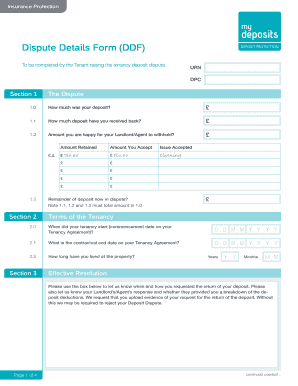
- Dispute Resolution: Outlines processes for resolving issues that may arise during the partnership.
- Confidentiality Clauses: Ensures that sensitive information shared between parties remains protected.
- Compliance Requirements: Addresses legal regulations that parties must adhere to, particularly in heavily regulated industries.
The template simplifies the creation of a customized agreement suited to specific contracting needs while ensuring essential legal principles are followed.
How to Use the Third Party Agreement Template
Using a third party agreement template can streamline the contract creation process and ensure that all essential legal requirements are met. Here’s how to effectively utilize the template:
- Select a Suitable Template: Choose a template that matches the specific needs of your agreement, whether for services rendered, subcontracting, or partnerships.
- Customize the Template: Replace placeholders with specific details, such as names, dates, and project descriptions, to tailor the agreement to your unique situation.
- Review Legal Requirements: Ensure the terms comply with local, state, or federal laws relevant to the nature of the agreement, particularly regarding confidentiality and liability.
- Consult with Legal Counsel: Before finalizing any agreement, consider having it reviewed by legal professionals to verify that it protects your interests.
- Obtain Signatures: Once reviewed, send the agreement to both parties for signatures. This can be done digitally for efficiency.
Adapting a template correctly can save time and utilize resources more effectively while ensuring compliance with legal standards.
Important Terms in Third Party Agreements
Understanding key terms associated with third party agreements is essential for drafting and interpreting these documents accurately. Common terminology includes:
- Indemnification: This provision may require one party to compensate the other for certain damages or losses incurred during the execution of the agreement.
- Breach: A failure to fulfill the responsibilities defined in the agreement, which may trigger legal penalties or other remedies.
- Force Majeure: This clause frees the parties from liability or obligation when an extraordinary event or circumstance prevents them from fulfilling their contractual obligations.
- Termination Clause: Details the conditions under which the agreement may be dissolved by either party, outlining the required notice periods.
Understanding these terms is crucial for anyone entering into a third party agreement, as they establish the rights and responsibilities of each party involved.
Legal Considerations for Third Party Agreements
Adhering to legal considerations is vital when drafting or utilizing a third party agreement template. Here are some key points to account for:
- Legality of Terms: All terms within the agreement must comply with applicable laws and regulations. This includes ensuring transparency in financial arrangements and avoiding clauses deemed unconscionable or illegal.
- Jurisdiction: Specify the jurisdiction that will govern the agreement to mitigate issues regarding legal enforcement and interpretations.
- Amendment Procedures: Define how modifications to the agreement can be made to ensure flexibility while maintaining clear communication between parties.
- Enforceability: Certain terms must be legally enforceable; otherwise, the entire agreement's validity may be compromised.
Legal professionals should be consulted to ensure that all provisions meet necessary legal standards and adequately protect all parties involved.
Examples of Using the Third Party Agreement Template
Third party agreements are used across various sectors, with each example demonstrating their practical application:
- Construction Projects: A general contractor may utilize a third party agreement template to establish terms with subcontractors for specific trades, such as electrical or plumbing work. The contract will outline the project scope, timelines, and payment schedules.
- Service Providers: A marketing agency might employ a third party agreement to formalize services between them, a client, and a third-party vendor for logistics support, ensuring all parties understand their roles and responsibilities.
- Consultancy: A consultant providing expertise to a company might need an agreement that details the relationship between the consultant, the company, and any third party engaged for additional support, such as data analysis.
These examples highlight the versatility of third party agreements in maintaining clarity and structure within various business dealings.
Steps to Complete the Third Party Agreement Template
To ensure a comprehensive and effective third party agreement, follow these structured steps:
- Gather Necessary Information: Collect details about all parties involved, including contact information and business identification.
- Outline the Project Scope: Clearly articulate the objectives, expected deliverables, and timelines associated with the agreement.
- Define Financial Arrangements: Include payment terms such as amounts, due dates, and accepted payment methods, clarifying any conditions tied to the financial aspects.
- Incorporate Legal Language: Ensure the legality of the agreement by including terms related to confidentiality, liability, and dispute resolution.
- Final Review and Adjustments: Before signatures are finalized, review the document for any errors or omissions and make necessary adjustments.
- Signatures: Ensure that all parties sign the agreement, retaining copies for their records.
Following these steps carefully ensures that the third party agreement is clear, comprehensive, and enforceable.