Definition & Meaning
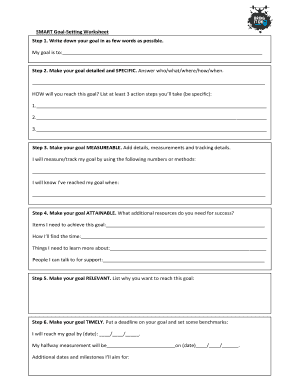
The LPF 807A form serves a specific purpose in regulatory or financial reporting frameworks. It is often used to ensure compliance with certain legal or administrative requirements and may be filed by individuals or businesses to report specific actions or financial activities. Understanding the context and legal framework in which the form operates is crucial to ensuring accurate completion. This involves knowing the governing authority that mandates the form, such as a federal agency or state department, and the implications of the information it requires. For example, if the form is related to tax reporting, it would be essential in validating eligibility for certain deductions or credits.
How to Obtain the LPF 807A
Obtaining the LPF 807A form can be straightforward if you are aware of the authoritative source. Typically, this form can be downloaded from a government website or requested from the organization that mandates its completion. For instance, if the form is issued by a state tax authority, it might be available on their official website under the forms and resources section. Alternatively, you might need to contact a designated office to get a physical copy. In specific scenarios, such as when dealing with confidential information, there might be additional steps involved, such as providing identification or authorization documents before accessing the form.
Steps to Complete the LPF 807A
Completing the LPF 807A form requires careful attention to detail to ensure compliance and accuracy. Here is a step-by-step guide:
-
Gather Required Information: Before starting, compile all necessary data, such as personal details, financial statements, or other relevant documents. This ensures that you have all the necessary information at hand and reduces the risk of errors.
-
Follow Specific Instructions: Each section of the form might have distinct instructions, and it is vital to adhere to them precisely. Look for any annotations or guidelines provided on the form itself or accompanying documentation.
-
Fill Out Personal and Financial Details: Enter required personal and financial information accurately. This might include income, expenses, identification numbers, or any other data as specified in the form.
-
Review and Verify: After filling out the form, meticulously review all entries to ensure correctness. Check for common mistakes like incorrect numbers or missing information.
-
Sign and Submit: Once verified, sign the form as required. Depending on whether the form needs digital or handwritten signatures, ensure compliance with those requirements. Then, submit the form using the specified method, such as online, via mail, or in person.
-
Keep a Copy: After submission, retain a copy of the completed form and any related documents for your records. This is important for reference and in case there are future inquiries or audits.
Key Elements of the LPF 807A
The form LPF 807A includes several critical components that need close attention:
-
Identification Information: This typically includes the name, address, and identification number of the filer or the entity responsible for filing the form.
-
Financial Data Section: Depending on the form's purpose, this may involve detailed financial information, such as income statements or expense reports.
-
Declaration and Signature: A legal declaration that verifies the authenticity of the information provided. This section must be completed by an authorized individual, ensuring that the form is legally binding.
-
Supplementary Documents: There may be a need to attach additional documentation to support the data provided in the form. Examples can include tax returns, receipts, or other official records.
Each of these elements contributes to the accuracy and completeness of the LPF 807A, and failure to adhere strictly to the requirements can result in delays or legal repercussions.
Penalties for Non-Compliance
Failing to comply with the requirements associated with the LPF 807A form can lead to significant consequences. These penalties vary depending on the regulatory framework but commonly include:
-
Financial Penalties: Non-compliance can result in fines or interest charges, particularly if the form is related to financial reporting or tax obligations.
-
Legal Consequences: Repeated failure to file or incorrect submissions may lead to more severe legal actions, including audits or litigation.
-
Reputational Damage: For businesses, non-compliance can harm their reputation, affecting relationships with clients and stakeholders.
Who Typically Uses the LPF 807A
The LPF 807A form is generally used by individuals or entities engaged in specific regulated activities. This can include:
-
Businesses: Particularly those engaged in interstate commerce or subject to federal regulations. Businesses must file the form to report activities or transactions that fall under specific regulatory frameworks.
-
Financial Institutions: Banks or financial service providers required to report transactions for compliance reasons.
-
Individuals: In cases where the form relates to personal financial reporting, such as income or asset declarations.
Knowing who traditionally uses the form can guide individuals and organizations in understanding whether they have a filing obligation.

Filing Deadlines / Important Dates
Complying with filing deadlines is critical when dealing with the LPF 807A form. Missing these deadlines can lead to penalties or loss of benefits, especially in a tax or regulatory context. To stay informed:
-
Mark Important Dates: Begin by identifying submission deadlines and other key dates linked with the form requirements.
-
Set Reminders: Utilize calendar tools or reminder apps to keep track of impending deadlines well in advance to allow for any unforeseen issues.
-
Understand Extension Policies: Some forms may offer extensions under particular circumstances. Familiarize yourself with these policies and how to apply for them promptly.
Digital vs. Paper Version
Understanding the format in which the LPF 807A form is available is critical for smooth processing. Digital forms are increasingly common due to their convenience and efficiency:
-
Benefits of Digital Forms:
- Instant submission and quicker processing times.
- Environmentally friendly and reduces physical paperwork.
- Often comes with validation features that prevent common input errors.
-
When to Use Paper Forms:
- Situations requiring a paper trail or manual submission.
- Accessibility issues with digital technology.
Evaluating the circumstances and requirements will guide you toward selecting the appropriate format for your situation.