




01. Edit your near miss error log pharmacy template online
Type text, add images, blackout confidential details, add comments, highlights and more.

Type text, add images, blackout confidential details, add comments, highlights and more.

Draw your signature, type it, upload its image, or use your mobile device as a signature pad.

Send near miss log via email, link, or fax. You can also download it, export it or print it out.
A near miss log is a systematic tool used for recording and analyzing incidents that almost resulted in an error or accident but were averted before any actual harm occurred. This tool is particularly important in high-risk industries such as pharmaceuticals, where even minor errors can have significant consequences. The purpose of documenting near misses is to identify potential risks and take preventative measures to ensure similar incidents do not occur in the future. By understanding the types and causes of these near misses, organizations can improve safety protocols and operational efficiency.
Several critical components make up a comprehensive near miss log. First, it captures the date and time of the incident, providing a timeline for review and analysis. Staffing levels during the incident are also documented, as these can influence the likelihood of near misses. Additionally, the log identifies the type of near miss, such as wrong product selection or outdated stock. Understanding the possible causes is crucial, so the log encourages documentation of any contributing factors. Lastly, the actions taken to prevent a recurrence are recorded, helping organizations build a database of proactive measures.
To effectively use a near miss log, start by consistently recording all relevant details of each incident as soon as it occurs. This includes the date, time, and location, as well as a detailed description of what happened. Involve all team members in the process to ensure comprehensive coverage. Once the data is collected, analyze it to identify patterns or common causes. This analysis should guide the development of new safety protocols or the refinement of existing ones. Regularly reviewing and updating the log ensures it remains a dynamic tool for improving workplace safety.
Utilizing a near miss log is critical for fostering a culture of safety and continuous improvement. By proactively identifying risks, organizations can reduce the likelihood of actual accidents. This tool not only helps in safeguarding employees but also protects the organization from potential legal repercussions related to workplace safety. Moreover, it offers valuable insights that can improve operational efficiency by eliminating waste and reducing downtime. In sectors where errors can lead to regulatory penalties, maintaining an accurate near miss log demonstrates a commitment to compliance and best practices.
Near miss logs are used by a wide range of professionals, particularly those in industries with strict safety requirements or regulatory oversight. Pharmaceutical companies, manufacturing units, laboratories, and healthcare providers are frequent adopters of this tool. Safety officers, risk management teams, and quality assurance professionals are typically responsible for maintaining the log, analyzing data, and implementing preventative strategies. Moreover, management teams use these logs to review safety performance and make data-driven decisions regarding policy adjustments or investments in safety training programs.


A pharmaceutical dispensing error might be narrowly avoided by a pharmacist who notices a discrepancy just before completion. In this case, the near miss log would record the potential error, the corrective action taken, and any identified contributing factors, such as labeling issues. Another example might involve a piece of equipment that fails but is caught before impacting production. Logging this incident helps identify equipment maintenance needs and prevent similar future occurrences. These examples highlight the importance of near miss logs in maintaining high safety and operational standards.
The legal use of a near miss log involves taking a proactive approach to compliance and safety. By documenting potential hazards, organizations can demonstrate due diligence in identifying and mitigating risks, which can be crucial in defending against liability claims. Additionally, regulatory bodies often require comprehensive records of such incidents as part of compliance audits. Maintaining an accurate near miss log indicates an organization’s commitment to meeting these regulatory standards and helps avoid potential penalties for non-compliance.
While the broad principles of using a near miss log apply nationwide, certain states may have additional requirements or recommendations. These can include mandatory reporting thresholds, specific data retention periods, or industry-specific guidelines. For example, states with stricter occupational safety regulations may require more detailed records or regular submissions to state agencies. Organizations should be aware of any state-specific rules that apply to their industry and incorporate these into their near miss logging practices to ensure full compliance.
At DocHub, your data security is our priority. We follow HIPAA, SOC2, GDPR, and other standards, so you can work on your documents with confidence.

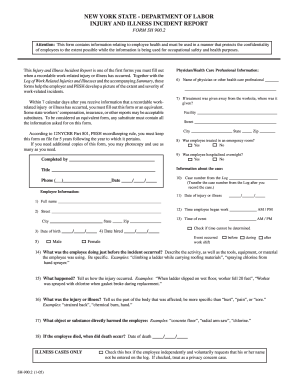


A near miss is considered any incident that did not result in personal injury, property damage or release into the environment, but given slightly differentRead more
by A SHEIKHTAHERI 2014 Cited by 87 WHO defines a near miss as an error that has the potential to cause an adverse event (patient harm) but fails to do so because of chance or because it isRead more
The incident/hazard report can be made by going to the pertinent policy/procedure articles action menu and then selecting Report Incident/Hazard.


