Definition & Purpose of the Smoke Detector Addendum
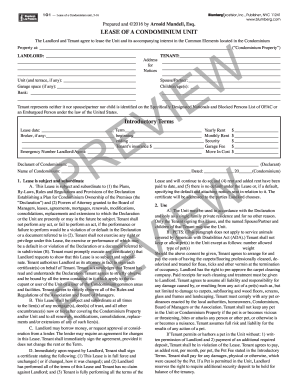
This addendum is a supplemental agreement to a primary lease, specifically focusing on smoke detector obligations. It clearly outlines the responsibilities of both tenant and landlord regarding the installation, maintenance, and operation of smoke detectors within a rental property. Tenants are typically required to ensure smoke detectors are functional, test them regularly, and report any malfunctions to the landlord. Landlords, in turn, are responsible for providing access for necessary repairs or compliance checks. By having this addendum in place, both parties can help ensure fire safety and adherence to legal standards within the property.
Key Elements of the Smoke Detector Addendum
Number and Location of Smoke Detectors
- Clearly specifies the number and placement of smoke detectors in the rental unit.
- Ensures compliance with state and local fire safety regulations.
Maintenance Requirements
- Outlines tenant's obligation to test smoke detectors bi-monthly.
- Details the process for replacing batteries, when applicable, to maintain optimal functionality.
Repair and Reporting Protocols
- Establishes a communication process for tenants to report issues to landlords.
- Grants landlords the right to access the property for maintenance and inspection purposes.
Steps to Complete the Smoke Detector Addendum
- Review the Lease Agreement: Understand the primary lease terms to ensure consistency in obligations.
- Specify Detector Details: Include details on the number and specific locations of smoke detectors.
- Outline Tenant Responsibilities: Clearly outline the tenant’s obligations for testing and maintaining the detectors.
- Detail Landlord Access Rights: Specify conditions under which the landlord can enter the property for inspections or repairs.
- Sign and Date: Ensure both parties sign and date the addendum to acknowledge their responsibilities.
Legal Implications and Compliance
Adherence to a smoke detector addendum is not only a best practice for safety but also a legal requirement in many jurisdictions. Failure to comply can result in fines, legal disputes, or increased liability in the event of a fire-related incident. The addendum helps establish clear accountability, reducing potential conflicts and promoting safety.
Important Terms Related to the Addendum
- Bi-Monthly Testing: Refers to the tenant’s responsibility to test the smoke detectors every two months.
- Compliance Access: The landlord’s right to access the property to ensure that smoke detectors remain functional and compliant with safety regulations.
- Battery Maintenance: Requirement for tenants to replace batteries in non-hardwired smoke detectors to maintain operability.
State-Specific Regulations
Variations in Requirements
- Different states may have varying requirements for the number of smoke detectors, their placement, and maintenance standards.
- Some states mandate specific types of smoke detectors, such as interconnected or hardwired units.
Compliance with Local Laws
- It is essential for landlords to verify that the addendum complies with local ordinances, ensuring that they are not subject to penalties for non-compliance.
Who Typically Uses the Smoke Detector Addendum?


Landlords and Property Managers
- Legally safeguard their property and ensure compliance with safety regulations.
- Offer a clear framework for tenants to understand their responsibilities.
Tenants
- Engage with landlords on maintaining safety standards and understanding their role in fire prevention.
- Use it as a reference for ensuring proper maintenance and reporting to avoid potential disputes.
Examples of Using the Smoke Detector Addendum
Single-Family Rentals
- In standalone homes, this addendum assists in delineating responsibilities for smoke detector maintenance, helping landlords and tenants collaborate on safety.
Multi-Unit Apartments
- In buildings with multiple units, landlords utilize the addendum to establish uniform compliance standards across all residences, ensuring that all tenants are aware of and adhere to maintenance responsibilities.