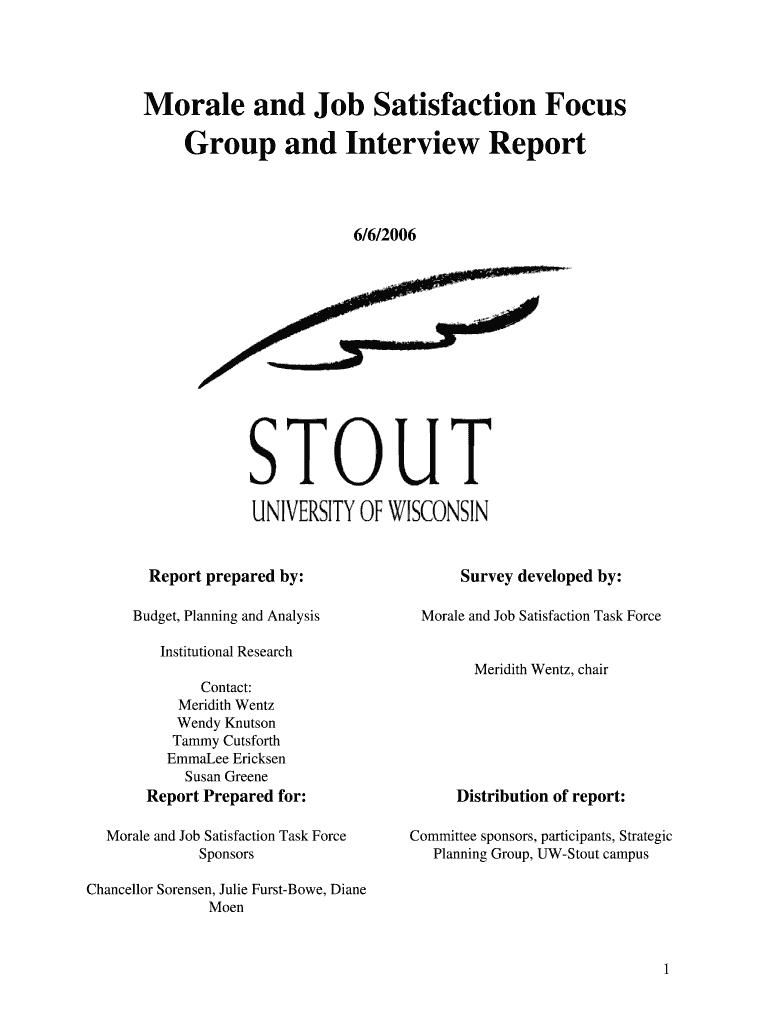







How to Use the Morale and Job Satisfaction Focus
The Morale and Job Satisfaction Focus can provide valuable insights when used effectively in organizational settings. To utilize this tool, organizations should first identify the objectives related to employee morale and job satisfaction. This involves aligning the focus with specific organizational goals such as improving workplace relationships, increasing trust, or enhancing recognition practices. By setting clear objectives, the tool can guide organizations in collecting relevant data through surveys, focus groups, or interviews.
Practical Application Steps
- Set Objectives: Define specific outcomes the organization seeks to achieve regarding employee morale and job satisfaction.
- Data Collection: Use various methods such as surveys and interviews to gather data from employees, ensuring questions are designed to elicit meaningful feedback on morale and satisfaction.
- Data Analysis: Analyze the data collected to identify patterns or common themes related to employee satisfaction. This can include issues such as compensation, workload, and communication.
- Implement Changes: Based on the analysis, implement strategies to address identified issues. This might involve policy changes, improved support systems, or enhanced recognition programs.
- Evaluate Results: Regularly assess the effectiveness of the changes implemented through follow-up surveys to measure improvements in morale and job satisfaction.
Key Elements of the Morale and Job Satisfaction Focus
The Morale and Job Satisfaction Focus comprises several key elements, which help provide a comprehensive understanding of employee experiences.
- Bureaucracy: Examines the impact of organizational procedures and policies on employee satisfaction.
- Relationships: Focuses on the quality of interpersonal relationships among staff and between employees and management.
- Equity and Compensation: Assesses perceptions of fairness in pay and rewards, highlighting any disparities.
- Workload: Investigates the allocation of tasks and responsibilities to ensure a balanced work environment.
- Trust and Support: Evaluates the levels of trust employees have in management and the support available from leadership.
- Physical Facilities: Considers the adequacy and comfort of the workplace environment.
- Communication: Looks at the effectiveness of internal communication and information sharing.
- Recognition: Analyzes how achievements and contributions are acknowledged and rewarded.
Who Typically Uses the Morale and Job Satisfaction Focus
Organizations across various industries use the Morale and Job Satisfaction Focus to gain insights into their work environment.
- Human Resource Departments: Monitor and improve workplace satisfaction and retention.
- Leadership Teams: Understand the impact of company policies on morale and employee engagement.
- Academic Institutions: Research and analyze job satisfaction trends among faculty and staff.
- Consultancy Firms: Employ the focus to advise businesses on best practices for enhancing employee satisfaction.


Common Use Cases
- Corporate Enterprises: Implementing strategic changes to improve employee engagement.
- Educational Institutions: Evaluating faculty satisfaction to inform policy decisions.
- Healthcare Organizations: Addressing staff concerns to improve service delivery and patient care.
Steps to Complete the Morale and Job Satisfaction Focus
Completing the Morale and Job Satisfaction Focus involves several steps to accurately assess the work environment.
- Download the Form: Obtain the form from a designated website or internal HR resource.
- Gather Preliminary Data: Collect initial information on areas such as employee demographics and departments.
- Select Data Collection Methods: Choose suitable methods such as surveys or focus groups.
- Administer Surveys/Interviews: Conduct the surveys or interviews, ensuring anonymity for honest feedback.
- Compile Data: Organize the collected data for analysis.
- Analyze Findings: Use statistical tools to understand trends and areas needing attention.
- Report Results: Prepare a comprehensive report highlighting key findings and suggested actions.
Important Terms Related to Morale and Job Satisfaction Focus
Understanding the terms associated with the Morale and Job Satisfaction Focus is crucial for accurately interpreting results.
- Bureaucracy: Refers to the procedural framework within which employees operate.
- Equity: Involves the fairness of treatment and distribution of resources among employees.
- Engagement: The level of commitment and involvement an employee exhibits towards their organization.
- Recognition: Acknowledging and rewarding employee contributions and achievements.
Detailed Explanation of Key Terms
- Trust: The confidence employees have in the integrity and competence of their leaders.
- Communication: The process by which information is conveyed within the organization.
- Workload: The amount and variety of tasks assigned to employees, affecting their overall productivity and happiness.
Examples of Using the Morale and Job Satisfaction Focus
Several examples illustrate how organizations leverage the Morale and Job Satisfaction Focus to enhance their work environments.
- Case Study: Tech Firm: A technology company conducted a year-long survey that highlighted communication as a significant issue. Implementing a new communication framework led to a 25% increase in employee satisfaction.
- Academic Institution Example: A university faculty survey revealed concerns about compensation disparities. Addressing these issues resulted in improved job satisfaction scores in subsequent assessments.
Additional Real-World Scenarios
- Healthcare Sector: Using feedback from the focus to improve win staff workload distribution, leading to higher productivity.
- Small Businesses: Identifying trust issues between management and employees and introducing policies that enhance transparency and accountability.
Legal Use and Compliance
The Morale and Job Satisfaction Focus is governed by legal standards that organizations must consider during its implementation. Complying with legislation ensures data collection respects employee privacy rights and produces valid insights.
Compliance Considerations
- Privacy Laws: Ensure survey questions and data handling comply with privacy regulations such as GDPR, where applicable.
- Consent: Obtain explicit consent from participants for data collection.
- Anonymity: Guarantee anonymity to promote honest feedback and protect participant identities.
State-Specific Rules for the Morale and Job Satisfaction Focus
While the Morale and Job Satisfaction Focus has broad applicability, some variations may exist based on state-specific regulations. Each state may have unique labor laws affecting how employee data can be collected and utilized.
Variations by State
- California: Higher emphasis on privacy laws necessitating explicit consent for data processing.
- New York: Requirements for employee surveys concerning workplace discrimination must comply with civil rights protections.
- Texas: Focuses on transparency in employee survey results and subsequent action steps.
Understanding and adhering to these variations is vital for organizations conducting morale and job satisfaction assessments to ensure compliance and credibility of the results.