Definition and Meaning
The term "RESZELMACRO (DO NOT DELETE)" refers to a specific form or process that is essential for certain administrative or regulatory purposes. It is vital to understand its definition and implications within its respective domain. A thorough comprehension of this form is crucial as it dictates how various processes are managed and executed, ensuring compliance and effective outcomes. The term might be associated with legal, financial, or organizational contexts, and understanding its exact meaning could involve parsing through specific industry regulations.
How to Use the RESZELMACRO (DO NOT DELETE)
Using the RESZELMACRO (DO NOT DELETE) involves a series of steps that require attention to detail to ensure proper completion and submission. Typically, one would need to gather pertinent information related to the specific use case, which could include personal or organizational data. Following this, users must adhere to the guidelines outlined for the form completion, which may involve filling out sections pertinent to their particular circumstances. Digital platforms often provide tools that can simplify the form submission, allowing for editing, reviewing, and finalizing before formal submission.
Steps for Form Completion
- Gather all necessary information, including personal and financial details.
- Follow the form's guidelines and complete each section accurately.
- Review the form for any errors or omissions before submission.
- Submit the form through the appropriate channel, whether online or via mail.
Key Elements of the RESZELMACRO (DO NOT DELETE)
Several key elements are integral to the RESZELMACRO (DO NOT DELETE), each serving a specific purpose within the form. These elements may include:
- Personal Information: Details such as name, address, and identification numbers.
- Financial Data: Tax-related information or financial statements that are often required.
- Declarations: Sections where the applicant must attest to the authenticity and accuracy of the information provided.
Each of these elements should be addressed with precision to avoid delays or issues in the processing of the form.
Legal Use of the RESZELMACRO (DO NOT DELETE)
Legal use of the RESZELMACRO (DO NOT DELETE) is governed by specific regulations which stipulate how the form should be used. This form may fall under certain jurisdictional laws that dictate its usage, making it imperative for users to be aware of legal obligations and ramifications. Understanding these legal aspects helps in safeguarding against unintentional legal violations and ensures compliance with relevant statutes or guidelines.
State-Specific Rules for the RESZELMACRO (DO NOT DELETE)
Various states may implement their own rules regarding the RESZELMACRO (DO NOT DELETE), affecting how it is completed and submitted. Differences in state regulations can influence what additional documentation is required or how the form is processed. Being aware of these state-specific rules is crucial for anyone submitting the form to ensure full compliance with local laws and requirements.
Important Terms Related to RESZELMACRO (DO NOT DELETE)
Several key terms are associated with the RESZELMACRO (DO NOT DELETE) that are essential for understanding its application:
- Compliance: Adhering to all rules and guidelines specified in the form.
- Submission Deadline: The date by which the form must be completed and submitted.
- Verification: The process of confirming the accuracy and authenticity of the information provided.
Understanding these terms is fundamental for accurately completing and utilizing the form.
Examples of Using the RESZELMACRO (DO NOT DELETE)
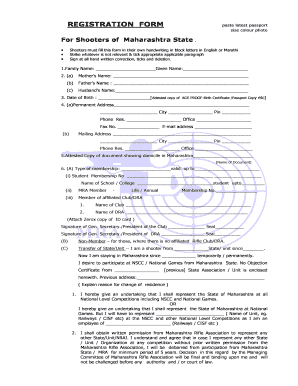
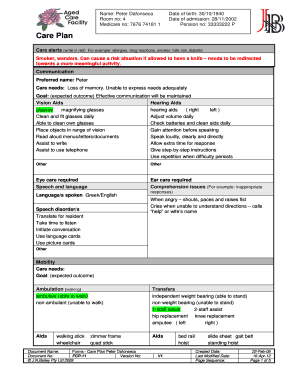
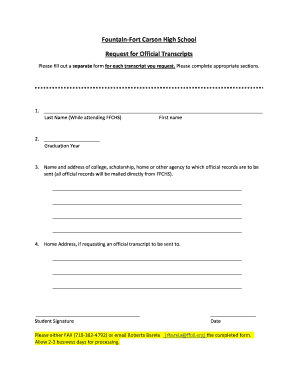
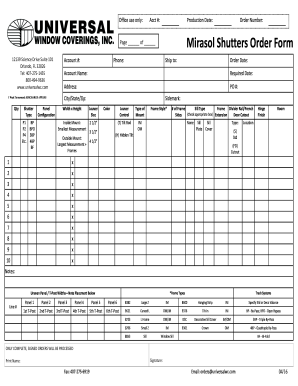
Practical examples of using the RESZELMACRO (DO NOT DELETE) provide insight into its real-world applications. For instance, a business may need to fill out this form as part of regulatory compliance during financial audits or when reporting specific operational metrics to government bodies. Understanding how it is applied can offer clarity and context, ensuring that the form is used effectively and correctly.
Digital vs. Paper Version
Choosing between a digital or paper version of the RESZELMACRO (DO NOT DELETE) depends on the resources available and user preference. A digital version often offers convenience with features like auto-fill and error-checking, whereas a paper version might be preferred in environments where digital access is limited. Understanding the benefits and limitations of each version helps in making an informed decision for submission.