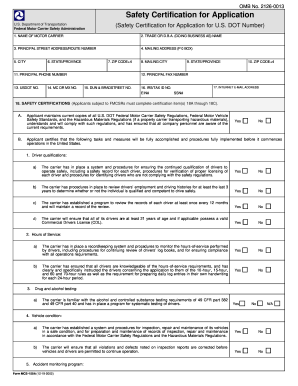
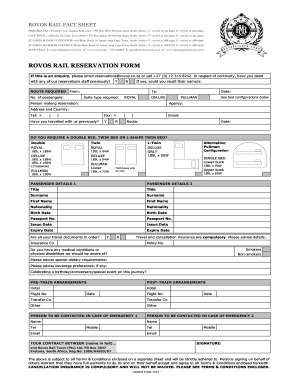
State of tennessee monthly spill bucket inspection log cn 1286-2026

Get Form
state of tennessee monthly spill bucket inspection log cn 1286 Preview on Page 1

Here's how it works

01. Edit your state of tennessee monthly spill bucket inspection log cn 1286 online
Type text, add images, blackout confidential details, add comments, highlights and more.

02. Sign it in a few clicks
Draw your signature, type it, upload its image, or use your mobile device as a signature pad.

03. Share your form with others
Send state of tennessee spill bucket inspection log via email, link, or fax. You can also download it, export it or print it out.

Definition and Importance of the Spill Bucket Inspection Log

The "State of Tennessee Monthly Spill Bucket Inspection Log CN-1286" refers to a regulatory document used by underground storage tank (UST) facility operators in Tennessee. Its primary purpose is to maintain a monthly record of visual inspections performed on spill buckets, ensuring their integrity and functionality in preventing hazardous material leaks. The log is essential for compliance with state regulations, serving as a documented assurance that the facility adheres to safety protocols. Maintaining accurate records can help facilities quickly address defects, report spills, and ultimately prevent environmental contamination.

How to Use the Inspection Log Effectively

Steps for Conducting Inspections

  1. Prepare for Inspection: Ensure all necessary tools and safety gear are ready before commencing inspections.
  2. Visual Examination: Inspect each spill bucket for signs of damage, wear, or potential leaks.
    • Check for cracks or holes.
    • Observe the condition of seals and gaskets.
  3. Record Findings: Use the log to document the condition of each spill bucket.
    • Note specifics of any deficiencies or repairs needed.
  4. Report Issues: If defects or spills are detected, report them to relevant authorities within 72 hours.

Maintaining the Log

  • Ensure each entry includes the inspector's name, date of inspection, and any actions taken.
  • Periodically review past logs to track maintenance trends and address recurring issues.

How to Obtain the State of Tennessee Monthly Spill Bucket Inspection Log CN-1286

Facility operators can acquire the inspection log through several methods:

  • Online: Visit the official state environmental agency website to download a digital copy.
  • Mail Request: Submit a request for the log via mail to the designated state office.
  • In-Person: Pick up a physical copy from local environmental compliance offices.

It is recommended to check for the latest version to ensure compliance with the most current guidelines.

Steps to Complete the Inspection Log

  1. Date and Identification: Start by recording the date of inspection and noting the specific site and spill buckets being evaluated.
  2. Inspection Details: Thoroughly examine each spill bucket, listing any observed deficiencies.
    • Use descriptive language to facilitate clear communication during audits.
  3. Remedial Actions: Document any maintenance or corrective measures conducted.
  4. Inspector's Information: Input the inspector's full name and contact details for accountability and follow-up purposes.

Using a systematic approach ensures that all necessary information is captured and retained for regulatory purposes.

Key Elements of the Spill Bucket Inspection Log

The inspection log contains several critical components:

  • Inspection Date: Marks when the inspection is conducted.
  • Facility Information: Includes the facility ID and location.
  • Spill Bucket ID: Unique identification for each spill bucket.
  • Condition Report: Detailed assessment of the structural and operational status of each bucket.
  • Remedial Measures: Description of any maintenance performed.

Each element must be meticulously filled out to provide a comprehensive overview.

Legal Use of the Inspection Log

Compliance and Reporting

  • Facility operators must adhere to state-specific guidelines for spill bucket inspections, as outlined by the Tennessee Department of Environment and Conservation (TDEC).
  • Log records are crucial for demonstrating compliance during audits.
  • Timely reporting of any spills or failures can mitigate environmental harm and reduce potential fines.

Penalties for Non-Compliance

Failure to maintain or accurately complete the inspection log can result in regulatory penalties, including fines or operational suspensions. It is imperative for facilities to align with legal requirements to avoid these consequences.

State-Specific Rules for Inspection Logs

Tennessee mandates specific actions concerning spill bucket inspections:

  • Monthly Frequency: Inspections must be conducted every month without exception.
  • Failure Reporting: Facilities have 72 hours to report any issues that could lead to contamination.
  • Record Retention: Logs should be kept on file for a period of twelve months for regulatory review.

Facility managers should remain informed about state legislation changes to ensure continuous compliance.

Examples of Using the Inspection Log in Real Cases

Case Study 1: Routine Maintenance

A Tennessee-based fueling station uses the log to identify early seal wear in their spill buckets. By recording and addressing this promptly, they prevent a potentially expensive spill incident.

Case Study 2: Incident Response

A facility operator logs an inspection that identifies a minor leak. They report the issue within the designated timeframe, allowing state agencies to assist in the quick containment and cleanup, mitigating environmental impact.

These examples highlight the importance of diligent record-keeping and proactive facility management in maintaining safe and compliant operations.

be ready to get more

Complete this form in 5 minutes or less

Get form

Got questions?

We have answers to the most popular questions from our customers. If you can't find an answer to your question, please contact us.
Contact us
Inspect your spill bucket every 30 days as part of your walkthrough inspection. Inspect all seals including around the fill riserfor any cracks, damage, or holes. Replace or repair, as needed. Most spill buckets are not designed to last as long as an UST.
At least every three years, your singled-walled spill bucket must be tested for tightness. For double-walled spill buckets, check for a leak in the interstitial area. Inspect for damage, corrosion, deformation. Repair or replace if necessary.

Security and compliance

At DocHub, your data security is our priority. We follow HIPAA, SOC2, GDPR, and other standards, so you can work on your documents with confidence.
Learn more
ccpa2
pci-dss
gdpr-compliance
hipaa
soc-compliance
be ready to get more

Complete this form in 5 minutes or less

Get form