




01. Edit your transfer of goods form online
Type text, add images, blackout confidential details, add comments, highlights and more.

Type text, add images, blackout confidential details, add comments, highlights and more.

Draw your signature, type it, upload its image, or use your mobile device as a signature pad.

Send goods transfer form via email, link, or fax. You can also download it, export it or print it out.
The product transfer form is a critical document used to record the details of goods being transferred from one party to another. It typically outlines the specifics of the transaction, including the items being transferred, their quantities, prices, and the total cost. This form acts as an official record of the transfer and ensures all parties have a mutual understanding of the transaction. This document is often employed in various business transactions, ensuring a standardized method for documenting the movement of products.
A well-structured product transfer form typically includes several essential elements. First, it captures the details of both the buyer and the seller, including their names, addresses, and contact information. The product list section details each item being transferred along with its associated quantity and price. This ensures transparency and accountability in the transaction. Furthermore, the form commonly incorporates a summary section that calculates the total cost of the transaction, providing an essential reference for financial records.
Completing a product transfer form involves a structured process to ensure accuracy and compliance. Here is a step-by-step breakdown:
Using a product transfer form offers several advantages, particularly in business contexts. It provides a formalized way of documenting transactions, which is crucial for maintaining accurate business records. This form acts as legal evidence in case of disputes, thereby reducing the risk of misunderstandings or miscommunications between involved parties. Additionally, it ensures compliance with any contractual agreements related to the product transfer, further bolstering legal protections for both the buyer and the seller.
The product transfer form is widely used across various industries and by numerous business types. Typically, it finds application among manufacturers, wholesalers, and retailers who frequently engage in transactions involving the transfer of goods. In addition, logistics companies utilize these forms when transporting goods on behalf of others to document the transfer formally. It's also a staple for government agencies managing inventory supplies, ensuring accountability in the handling of public assets.


From a legal perspective, the product transfer form serves as a binding agreement between the parties involved in the transaction. It holds a significant evidentiary role in judicial proceedings if disputes arise concerning the transfer. The form can also provide proof of ownership transfer, ensuring that both parties comply with terms set forth in any underlying contract. Legal professionals often recommend the use of such forms as a preventive measure against potential conflicts and inconsistencies.
While the fundamental purpose of a product transfer form is consistent across the U.S., some state-specific regulations may influence its use. For example, different states have unique tax handling and reporting requirements that may need to be reflected on the form. Businesses should remain informed of these variations by consulting local regulatory bodies or legal advisors to ensure compliance. Incorporating state-specific rules ensures that the form adheres to legal standards set by the jurisdiction in which the transfer occurs.
Product transfer forms are often integrated into digital systems for seamless transaction management. Platforms like DocHub, with its document transfer features, enable users to create, edit, and store these forms digitally. Beyond this, accounting software such as QuickBooks or ERP systems can also automate form generation and processing, enhancing efficiency in record-keeping and data management.
The practical applications of a product transfer form are vast and varied. In a typical scenario, a company selling office supplies may use the form to document a bulk sale to another corporation. By detailing every item sold, the selling company ensures accurate inventory adjustment and financial reporting. Similarly, logistics firms facilitating the shipment of goods across states might use this form to document product handover at different checkpoints, maintaining an audit trail and ensuring accountability.
We've got more versions of the transfer of goods form form. Select the right transfer of goods form version from the list and start editing it straight away!
| Versions | Form popularity | Fillable & printable |
|---|---|---|
| 2017 | 4.6 Satisfied (52 Votes) |
At DocHub, your data security is our priority. We follow HIPAA, SOC2, GDPR, and other standards, so you can work on your documents with confidence.
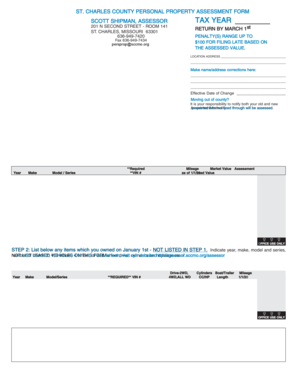


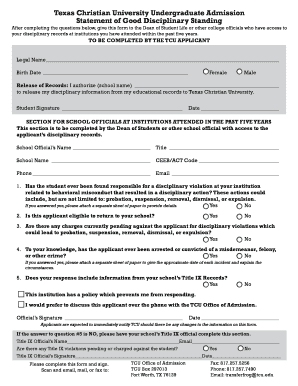
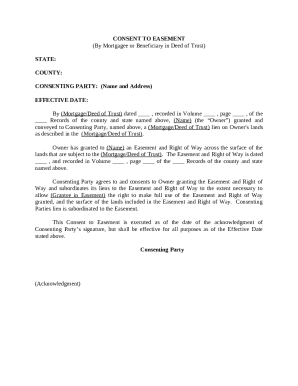
Inventory Transfer List 3 To be Completed by the Prinicipal Investigator. Description of Equipment Date Purchased Purchased With Grant Funds. Purchase Price
No, product should not be transferred between locations by retailers. The purchase invoice on hand at the store must show the address of the store theRead more


