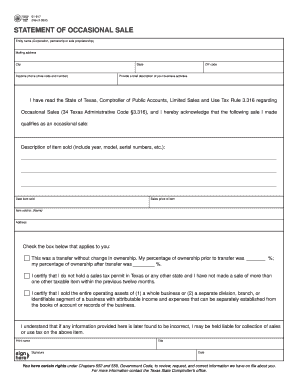
01. Edit your chalan form online
Type text, add images, blackout confidential details, add comments, highlights and more.

Type text, add images, blackout confidential details, add comments, highlights and more.

Draw your signature, type it, upload its image, or use your mobile device as a signature pad.

Send challan form via email, link, or fax. You can also download it, export it or print it out.
The treasury challan form is a crucial document used in financial transactions with government treasuries. It serves as an interim receipt for remittances, detailing necessary information such as the chalan number, purpose of payment, monetary amount, and requisite signatures. Predominantly utilized in the context of Indian states like Kerala, this form ensures a systematic record of transactions involving public funds. It is vital not only for the payer but also for the treasury, maintaining audit trails and compliance with fiscal protocols.
Utilizing the treasury challan form involves a straightforward but precise process to ensure accuracy and compliance:
Acquire the Form: Obtain the treasury challan form from the issuing authority, such as a government website or a physical office.
Complete Mandatory Fields: Fill in critical information including your name, contact details, the purpose of the transaction, and the specific treasury account details.
Provide Financial Details: Clearly state the amount to be paid and cross-verify with your records to avoid discrepancies that could cause future complications.
Submit in Triplicate: Ensure the form is prepared in triplicate — one copy for the payer, one for the treasury, and one for acknowledgment purposes.
Verification: Before submission, double-check all entries for accuracy and completeness to prevent rejection or delays in processing.
Navigating the completion of the treasury challan form involves detailed attention:
Form Header: Enter the government department name receiving the funds and the specific purpose for which the payment is made.
Personal Identification: Include your complete name, address, and contact information to ensure proper identification.
Payment Details: Specify the amount in words and figures, ensuring they match exactly to avoid misunderstandings.
Branch Code and Chalan Number: Insert the relevant branch code and assign a unique chalan number for tracking purposes.
Signatures and Dates: Both the payer and the receiving authority must sign and date the form, formalizing the agreement.
Understanding the core components of the treasury challan form is essential:
Various entities rely on the treasury challan form for different reasons:


Clarification of specific jargon used within the form promotes better understanding:
Legally, the treasury challan form acts as a binding document that records a transaction between an individual or entity and the government. It plays a critical role in ensuring funds are correctly logged and disbursed, maintaining governmental transparency. Adherence to legal protocols ensures legitimacy and aids in audits.
Flexibility in submission enhances user convenience:
These methods offer users the ability to choose according to their comfort and the nature of their transaction.
At DocHub, your data security is our priority. We follow HIPAA, SOC2, GDPR, and other standards, so you can work on your documents with confidence.