01. Edit your form online
Type text, add images, blackout confidential details, add comments, highlights and more.

Type text, add images, blackout confidential details, add comments, highlights and more.

Draw your signature, type it, upload its image, or use your mobile device as a signature pad.

Send it via email, link, or fax. You can also download it, export it or print it out.
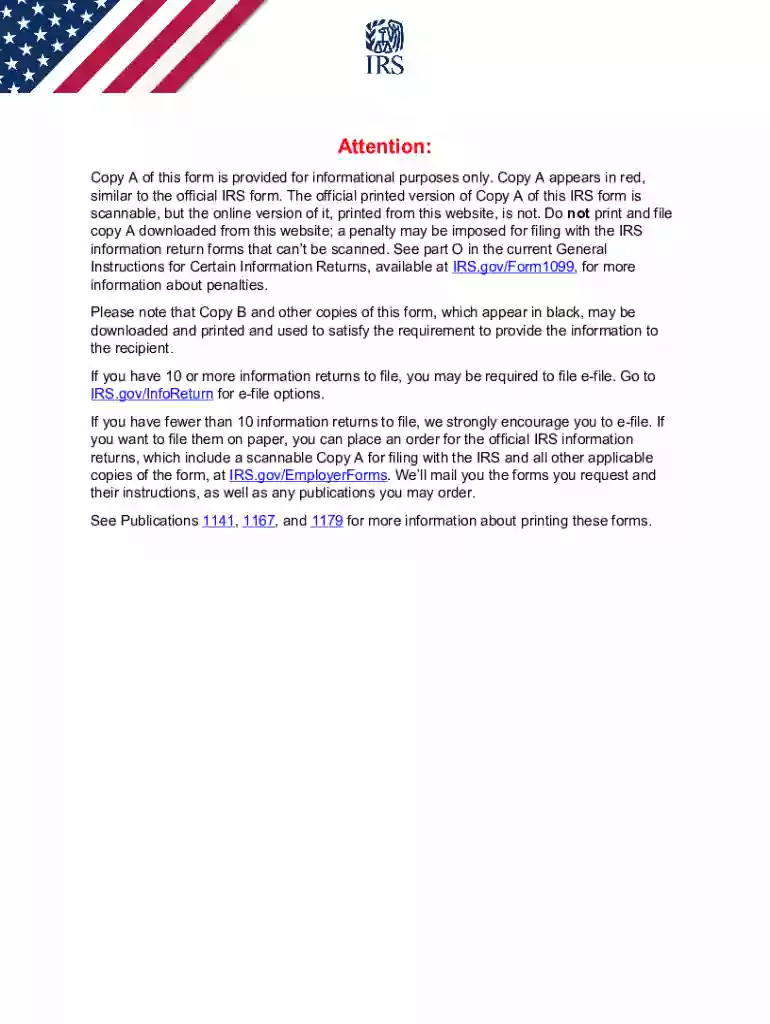
Form 1099-NEC, short for Nonemployee Compensation, is utilized by businesses to report payments totaling $600 or more made to independent contractors and freelancers. It is a critical document for both payers and recipients, ensuring accurate income reporting to the IRS. The "Rev April 2025" indicates the latest revision, reflecting any regulatory updates or changes in tax code pertinent to its use. This form distinguishes nonemployee compensation from employee wages, reported separately on W-2 forms, clarifying tax responsibilities and transparency.
Form 1099-NEC is primarily used by businesses and payers who have compensated nonemployees such as freelancers, subcontractors, and vendors. The form must be completed and then furnished to both the IRS and the recipient of the payments. This ensures proper tax reporting and compliance. The form includes fields for the payer's and recipient's information, total compensation paid, and other necessary details. It is crucial to double-check entries to avoid discrepancies and ensure that all provided data is accurate and up-to-date.
Obtaining Form 1099-NEC is a straightforward process. You can acquire physical copies directly from the IRS, though it is often more efficient to access the form electronically through the IRS website. It's important to be cautious about obtaining forms from unofficial sources, as these may not comply with IRS requirements. Many tax software programs also offer digital copies that can integrate directly into their systems, streamlining the documentation process.
Form 1099-NEC is used by businesses that engage independent contractors for various services. Typical users include companies within the construction, marketing, IT, and creative industries. These entities rely on freelancers and subcontractors for specialized work and need to report payments to maintain compliance with federal tax regulations. Additionally, self-employed individuals may receive this form to account for their income, helping them calculate taxes owed for the year accurately.
The IRS provides explicit instructions on how to prepare and file Form 1099-NEC. Businesses are mandated to furnish the form to the recipient by January 31 and file it along with Form 1096 to the IRS by the respective deadlines. The guidelines also emphasize the accuracy of the information provided and recommend e-filing for efficiency. Noncompliance, such as incorrect filing or missing deadlines, could result in penalties, so adherence to guidelines is vital.
Timely filing is critical to avoid penalties, and understanding these deadlines ensures proper compliance. Exceptions exist for calendar incorporations, where specific dates may differ depending on the fiscal year’s end.
Failing to file Form 1099-NEC accurately and by the set deadlines, or providing incorrect information, can lead to significant penalties. The IRS imposes fines based on the lateness and magnitude of errors. Penalties vary according to the delay period and are subject to annual adjustments. Hence, correcting errors immediately upon noticing them and adhering strictly to guidelines can mitigate potential fines.
Each state may have distinct regulations concerning the filing and use of Form 1099-NEC. While the federal guidelines remain consistent, certain states may require additional filing procedures or state-specific forms to ensure compliance. It's essential to consult local tax authorities or a tax professional familiar with the specific state’s requirements to navigate these differences effectively.
Consider a graphic design firm hiring freelance artists for various projects through the year, paying each over $600. The firm is responsible for issuing a Form 1099-NEC to each artist, reporting the exact amount paid. Similarly, a construction firm subcontracting specific tasks to independent contractors must issue this form to every contractor as part of their comprehensive tax filings. These examples underline the importance of the form in tracking and reporting nonemployee compensation accurately.
At DocHub, your data security is our priority. We follow HIPAA, SOC2, GDPR, and other standards, so you can work on your documents with confidence.