EVALUATION FORM - Arkansas Department of Education - arkansased 2026

Get Form
EVALUATION FORM - Arkansas Department of Education - arkansased Preview on Page 1

Here's how it works

01. Edit your form online
Type text, add images, blackout confidential details, add comments, highlights and more.

02. Sign it in a few clicks
Draw your signature, type it, upload its image, or use your mobile device as a signature pad.

03. Share your form with others
Send it via email, link, or fax. You can also download it, export it or print it out.

Definition & Meaning

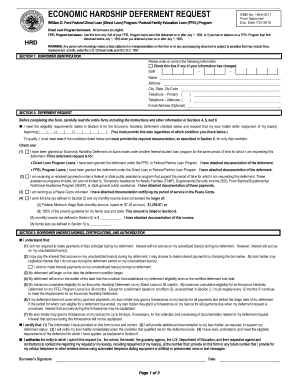
The "EVALUATION FORM - Arkansas Department of Education - arkansased" is a structured assessment tool used to evaluate teacher performance within the Arkansas public education system. It is an essential component of the Teacher Excellence and Support System (TESS), designed to enhance educator effectiveness and professional growth. By assessing various competencies such as instructional strategies, classroom management, and professional responsibilities, it provides a comprehensive overview of a teacher’s proficiency and areas for improvement.

Key Elements of the Evaluation Form

The evaluation form includes several critical components that guide the assessment process:

  • Domains of Evaluation: Includes planning and preparation, the classroom environment, instruction, and professional responsibilities. Each domain contains specific criteria to evaluate teaching performance.
  • Rating Scale: Ranges from unsatisfactory to distinguished, offering a clear structure to measure performance.
  • Feedback Section: Allows evaluators to provide constructive feedback that supports professional development.
  • Teacher Self-Assessment: Encourages teachers to reflect on their practices, identify strengths, and target areas for improvement.

How to Use the Evaluation Form

To effectively use the evaluation form, follow these steps:

  1. Familiarize Yourself with the Form: Understand each section, including the criteria and rating scale.
  2. Gather Necessary Information: Collect data on the teacher’s performance across various domains, potentially using observations, student assessments, and teacher records.
  3. Complete the Form: Accurately fill out each section, ensuring that all provided information is based on evidence and meets the criteria.
  4. Provide Feedback: Offer detailed feedback to aid the teacher’s development.
  5. Review with the Teacher: Schedule a meeting to discuss the evaluation results and plan professional development goals.

How to Obtain the Evaluation Form

Educators and administrators can access the evaluation form through:

  • Arkansas Department of Education Website: Download the form directly from the official website.
  • School Administration Offices: Often have physical copies and can provide guidance on usage.
  • Professional Development Workshops: May distribute forms during training sessions.

Steps to Complete the Evaluation Form

Successfully completing the evaluation form involves the following stages:

  1. Preparation: Gather necessary materials and understand the context of the evaluation.
  2. Data Collection: Use observations, assessments, and teacher reflections to gather comprehensive data.
  3. Document Completion: Fill out each section with precise and unbiased information.
  4. Review and Adjust: Re-examine the form to ensure all information is accurate and reflective of the teacher’s performance.
  5. Final Submission: Submit the completed form for administrative review or inclusion in the teacher’s professional file.

Importance of the Evaluation Form

The evaluation form serves essential functions:

  • Professional Growth: Identifies opportunities for skill enhancement and career advancement.
  • Institutional Accountability: Ensures that educators meet the state’s educational standards.
  • Performance Monitoring: Provides schools with data to make informed decisions about teaching assignments, promotions, and training needs.

Who Typically Uses the Evaluation Form

The evaluation form is primarily used by:

  • School Administrators: Such as principals and department heads, tasked with assessing and supporting teacher performance.
  • Mentors and Coaches: Who guide teachers through professional development processes.
  • Educators: Engaged in self-evaluation to improve their practices and outcomes.
decoration image ratings of Dochub

State-Specific Rules for the Evaluation Form

Arkansas has specific regulations surrounding the use of evaluation forms:

  • Mandated Usage: Public schools are required to utilize the form as part of the broader TESS framework.
  • Frequency of Evaluation: Typically conducted annually, aligning with state guidance on teacher appraisal practices.
  • Reporting Requirements: Evaluations must be submitted to the Arkansas Department of Education, ensuring consistency and compliance.

Examples of Using the Evaluation Form

Real-world applications of the evaluation form include:

  • Annual Teacher Evaluations: Administrators conduct yearly assessments using the form to ensure educators meet set standards.
  • Probationary Teacher Assessments: New teachers are evaluated more frequently to provide feedback and support as they transition into their roles.
  • Professional Development Planning: Evaluation results are used to tailor professional growth plans, focusing on areas requiring improvement and acknowledging teacher strengths.
be ready to get more

Complete this form in 5 minutes or less

Get form

Got questions?

We have answers to the most popular questions from our customers. If you can't find an answer to your question, please contact us.
Contact us
Mission. The Division of Elementary and Secondary Education provides leadership, support, and service to schools, districts, and communities so every student graduates prepared for college, career, and community engagement.
New applicants can log into .arkansasefa.com, create an account, and begin a new application. The Education Freedom Account program is a school choice initiative that empowers parents by providing funding for students in private or home school.
Your letter of intent should clearly communicate your homeschooling plan and objectives for the upcoming academic year. This may include outlining the curriculum you plan to use, any activities or field trips you have planned, and the assessment and evaluation methods you will use to track your childs progress.
To file a formal complaint with DESE, the complainant should complete and submit the Complaint Form to the State at rick.green@arkansas.gov. Complainants should ensure that the complaint and all supporting documentation are complete before submitting a complaint.
Recipient Information: Address the letter to the appropriate authority, typically your local school district or educational department.

Security and compliance

At DocHub, your data security is our priority. We follow HIPAA, SOC2, GDPR, and other standards, so you can work on your documents with confidence.
Learn more
ccpa2
pci-dss
gdpr-compliance
hipaa
soc-compliance
be ready to get more

Complete this form in 5 minutes or less

Get form

People also ask

Acquire a notice of intent to home school from your local public school superintendent or the Arkansas Department of Education. Fill out the notice of intent. Sign the notice of intent in the presence of a notary if any of your children enrolled in a home school will seek a GED.
The completed form can be mailed, hand-delivered, or submitted electronically to your resident school district. For assistance determining your resident school district, click here. Incomplete forms will not be accepted. Please contact the Home School Office at (501) 683-3162 if you need assistance completing the form.
There are no recordkeeping requirements for homeschooling families in the Natural State.

Related links