




01. Edit your form online
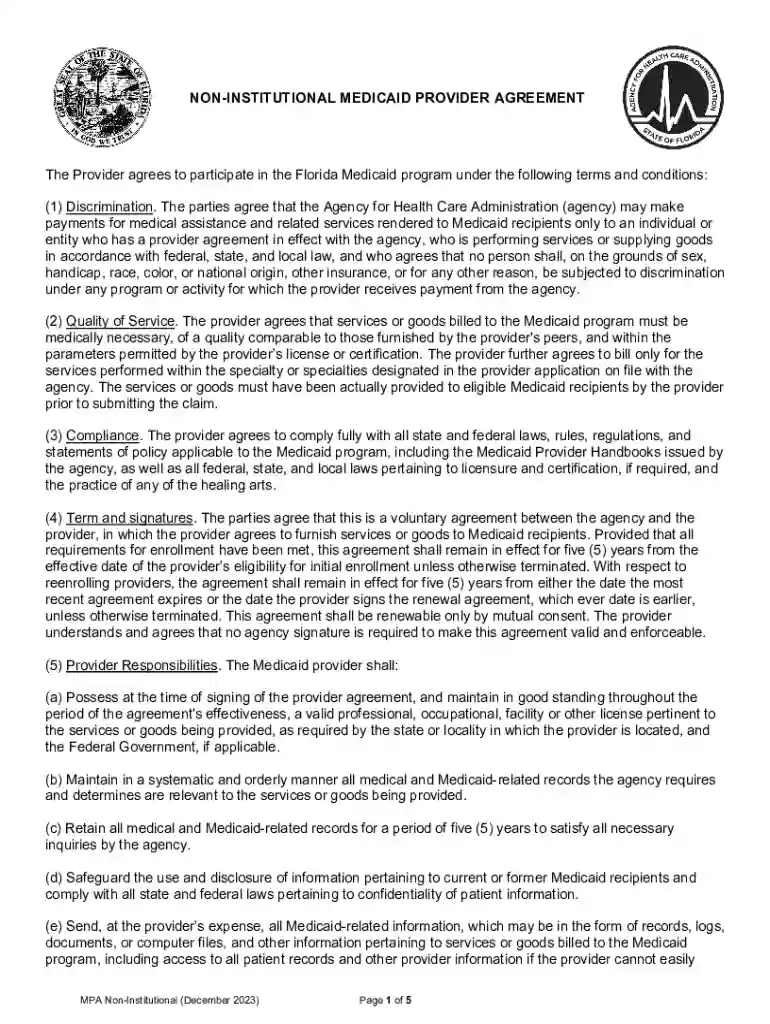
Type text, add images, blackout confidential details, add comments, highlights and more.

Type text, add images, blackout confidential details, add comments, highlights and more.

Draw your signature, type it, upload its image, or use your mobile device as a signature pad.

Send it via email, link, or fax. You can also download it, export it or print it out.
An interoffice memorandum, commonly referred to as an internal memo, is a written communication tool used in organizations to convey information among employees. It typically addresses issues such as company policy changes, announcements, procedural instructions, and internal reports. Memos are formal, concise, and intended to ensure clear and effective communication within a business setting. This form of communication is essential for maintaining organizational efficiency and providing a documented reference for information and instructions shared among staff.
Using an interoffice memorandum effectively requires understanding its structure and purpose. A typical memo should start with a clear subject line that summarizes the main issue. This helps recipients immediately understand the topic being addressed. The body of the memo is usually divided into concise paragraphs that detail the main points, background information, any actions required by the recipients, and any relevant supporting details. Use of bullet points can enhance the clarity and readability of complex information. Conclude the memo with any necessary actions or deadlines, and include the sender's contact details for follow-up queries.
The effectiveness of an interoffice memorandum relies on its key elements. These include:
To effectively complete an interoffice memorandum, follow these steps:
Interoffice memos are widely used across various levels within an organization. They are predominantly utilized by managers, team leaders, and administrative staff who need to disseminate information quickly and formally to multiple people or departments. Memos may also be used by project teams to update stakeholders on progress, or by human resources to communicate policy updates. Essentially, anyone in a position of relaying important internal information can benefit from using memos.


Real-world examples of interoffice memorandums in practice include:
Each example highlights the memo's role in ensuring clear and rapid communication within an organization.
Using interoffice memorandums also involves understanding legal and compliance considerations. While not legally binding documents, memos must comply with organizational policies and relevant legal regulations, such as privacy laws. Sensitive information should be handled with care, ensuring that only authorized personnel have access to such communication. Moreover, organizations should have clear policies regarding the creation and distribution of memos to ensure consistency and compliance.
In modern workplaces, digital memos are increasingly preferred due to their convenience and speed of distribution. Tools like email platforms and document management systems facilitate their creation and dissemination. Digital memos offer the advantage of easy archiving and retrieval. However, paper memos may still be used in certain situations, such as when dealing with confidential information that must be read physically, or within organizations that have not fully transitioned to digital communications. Both forms serve specific purposes and should be chosen based on the organization's communication strategy and needs.
We've got more versions of the INTEROFFICE MEMORANDUM form. Select the right INTEROFFICE MEMORANDUM version from the list and start editing it straight away!
At DocHub, your data security is our priority. We follow HIPAA, SOC2, GDPR, and other standards, so you can work on your documents with confidence.


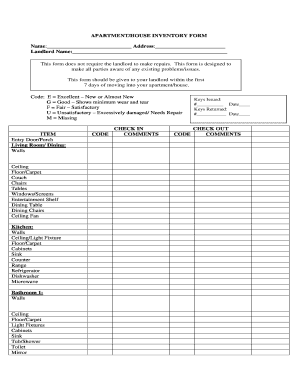

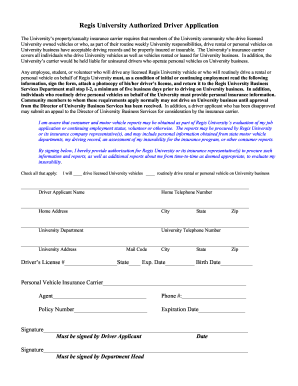
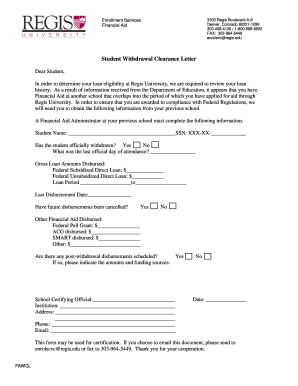

Aug 6, 2026 An interoffice memorandum or memo is an internall document written to inform employees of the company or organizations policy, procedures,Read more
Form 2004, Enforcement Interoffice Memorandum Information Update Instructions for Opening a Form Documents.


