Definition and Meaning
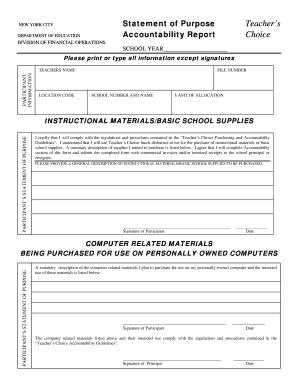
The phrase "How Many cooks in the kitchen? Public School Reports - uri" seems to indicate a document or report related to public school systems, potentially concerning management, oversight, or staffing metrics. This content could delve into how resources are managed within public schools, focusing on systemic challenges or strategic planning.
Contextual Background
- In educational settings, "how many cooks in the kitchen" may refer to evaluating how many people are involved in decision-making or managerial roles, considering efficiency and effectiveness.
- The term URI typically stands for Uniform Resource Identifier, but in this case, it could also be an abbreviation or shorthand specific to educational reporting.
How to Use the Report
Understanding the usage of this report involves grasping its role in informing stakeholders about public school dynamics, such as administrative efficiencies or staffing patterns.
Practical Applications
- Administrative Planning: School administrators can use the report to assess current staffing models, identify inefficiencies, and adjust roles or processes to improve educational delivery.
- Policy Making: State education departments might employ insights from the report to craft policies that enhance school operations or address staffing challenges.
Steps to Complete the Report
Completing this kind of report typically requires gathering extensive data on school operations and personnel management. Here's a general outline of the steps involved:
- Data Collection: Accumulate information about school personnel, including administrators, support staff, and teaching staff.
- Analysis: Assess the data to identify patterns or anomalies in staffing distribution and management efficiency.
- Report Drafting: Compile findings into a structured format, highlighting key observations and recommendations.
- Review and Revision: Submit drafts for review by educational experts or stakeholders to ensure accuracy and usefulness.
- Finalization and Distribution: Produce the final version for dissemination to relevant audiences such as school boards, administrators, or public oversight bodies.
Key Elements of the Report
Critical Components
- Staffing Metrics: Include detailed statistics on staff numbers, roles, and distributions across different schools.
- Budget Implications: Examine how staffing affects and is affected by budgetary constraints or allocations.
- Operational Efficiency: Analyze how current personnel arrangements impact school effectiveness, focusing on productivity, student support, and educational outcomes.
Who Typically Uses the Report
The report is primarily utilized by educational administrators, policymakers, and public oversight entities.


Examples of Users
- School District Leaders: For strategic decision-making and resource allocation
- Education Policy Makers: To inform legislative proposals or funding initiatives
- Community Stakeholders: Parents and community groups seeking transparency in school operations
State-Specific Rules and Variations
Educational systems are subject to state-specific regulations, which might influence how the report is structured or utilized.
Considerations
- State Funding Models: Allocation of education funds may vary significantly, affecting how schools manage resources.
- Regulatory Requirements: Different states may impose distinct reporting requirements or performance indicators as part of their oversight processes.
Digital vs. Paper Versions
The report may be available in both digital and paper formats, each with its own set of advantages and considerations.
Benefits of Digital Versions
- Accessibility: Easier distribution and access for stakeholders
- Searchability: Enhanced data retrieval capabilities
- Environmental Impact: Reduced paper use contributes to sustainability efforts
Pros of Paper Versions
- Tangibility: Some stakeholders may prefer physical copies for easier annotation or review
- Reliability: No dependency on digital infrastructure for access
Important Terms Related to the Report
Develop a clear understanding of the terminology used within this report to better interpret its content and implications.
Notable Terms
- Resource Allocation: Distribution of financial, human, and material resources within schools
- Management Efficiency: Metrics and processes that evaluate how effectively school leaders utilize resources
- Educational Outcomes: Results and impacts of educational processes, often measured through student performance indicators
Penalties for Non-Compliance
Failing to comply with the guidelines or mandates concerning the completion or submission of these reports may result in various penalties.
Potential Consequences
- Funding Withholding: Schools may risk losing state funding or federal assistance if reports are not submitted as required.
- Audits: Non-compliance might trigger audits or investigations by oversight bodies.
- Reputational Impact: Public accountability failures can damage relationships with community stakeholders and parents.