




Definition & Meaning
The "Patent Application - University of Portland" refers to the process whereby individuals or organizations affiliated with the University of Portland apply for legal protection for their inventions. This application is essential for safeguarding intellectual property rights, ensuring that inventors have the exclusive rights to their creations. By securing a patent, the inventor can prevent others from making, using, or selling the invention without permission. This process is a crucial step in the innovation journey, from idea generation to commercialization.
Steps to Complete the Patent Application - University of Portland
-
Inventor Disclosure: Begin by documenting the invention comprehensively. Detail its purpose, how it works, and any distinctive features. This information will be essential for both the application and any potential legal evaluations.
-
Consultation with University Experts: Engage with the University of Portland's technology transfer office or legal advisors. They can provide guidance on the patentability of the invention and any necessary steps to fortify the application.
-
Preliminary Patent Search: Conduct a search to ensure that no existing patents cover the same invention. This step helps assess novelty and inventiveness, two critical criteria for patent approval.
-
Prepare Patent Application Documentation: Gather all required documents, including detailed drawings, descriptions, and claims that define the scope of the patent. Assistance from a patent attorney or agent is often beneficial here.
-
Submission to the USPTO: Submit the complete application to the United States Patent and Trademark Office (USPTO). Ensure detailed review of all documents before submission to avoid delays.
-
Await Examination and Respond to Office Actions: After submission, the application is examined by a patent examiner. Be prepared to respond to any office actions or requests for additional information promptly.
Why Should You Apply for a Patent at the University of Portland?
- Protection of Intellectual Property: Obtaining a patent ensures exclusive rights to the innovation, protecting against unauthorized use or replication.
- Enhancing Credibility and Value: An issued patent can increase the credibility of the invention, making it more attractive to potential investors and partners.
- Monetization Opportunities: Patents can open up new revenue streams through licensing agreements or attracting venture capital funding.
- Encouragement of Innovation: A robust patent system incentivizes continual innovation within the university's community, fostering an environment of creativity and progress.
Required Documents for Patent Application
- Detailed Description: A comprehensive narrative that explains the invention in detail, including drawings or diagrams as visual aids.
- Claims: Formal statements that define the boundaries of the invention's legal protection.
- Declaration of Inventorship: Documents confirming the identity and contribution of each inventor involved in the creation of the invention.
- Related Prior Art References: Any relevant existing technologies or inventions that relate to the new patent application to demonstrate novelty.
Key Elements of the Patent Application - University of Portland
- Title of Invention: A concise, descriptive title that accurately reflects the nature of the invention.
- Abstract: A brief summary of the invention's technical attributes and potential industrial utility.
- Background and Advantages: Contextual information on the problem the invention addresses and the benefits it provides over prior solutions.
- Illustrative Figures: Diagrams, charts, or sketches that provide a visual understanding of the invention.
Who Typically Uses the Patent Application - University of Portland?
- Faculty and Researchers: Often engage in groundbreaking research that results in patentable inventions.
- Students: Innovative students may develop new technologies or processes as part of their academic work.
- University Start-ups: Enterprises emerging from the university's entrepreneurial ecosystem might rely on patents to protect their unique offerings.


Legal Use of the Patent Application - University of Portland
- Compliance with Intellectual Property Laws: Applicants must ensure their inventions comply with all relevant legal standards set by the USPTO.
- Ownership and Assignment: Understanding the ownership rights, especially in cases of joint invention or collaboration with external partners, is crucial.
- Maintenance of Patent Rights: Once granted, patent holders must adhere to maintenance fees and renewal schedules to keep their rights active.
Application Process & Approval Time
- The application process involves submission to the USPTO, where it undergoes thorough examination. The timeline for approval can vary significantly based on the complexity of the invention and the workload at the patent office. Generally, the process can take from one to three years.
- Accelerated examination options may be available for certain types of inventions, allowing for quicker processing times.
Software Compatibility for Filing
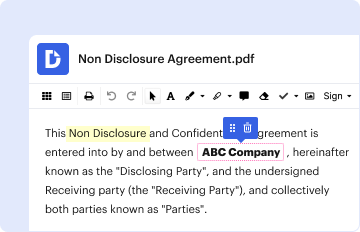
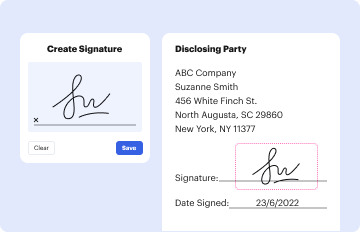
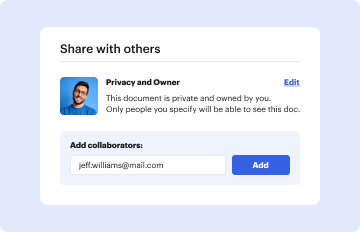
While direct software tools specific to patent applications might not be universally compatible with all document editing platforms, tools like DocHub facilitate the preparation and organization of patent documentation. With ability to manage forms and collect electronic signatures seamlessly, DocHub can assist in streamlining the submission process and enhancing collaboration among inventors.