Definition and Interpretation of Dog Breeder Contracts
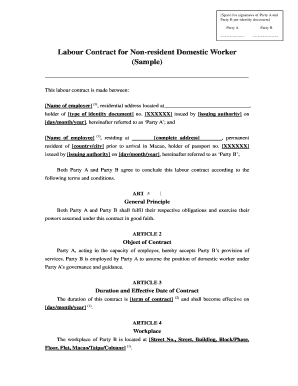
Dog breeder contracts serve as legal frameworks outlining the terms between a breeder and a buyer, particularly when purchasing puppies. These agreements are designed to establish clear expectations and responsibilities for both parties. Typically, such contracts include clauses on pet ownership restrictions, health guarantees, spaying/neutering requirements, and returns or refunds. Understanding the specifics of these contracts is crucial, as they directly impact the enforceability and the obligations stemming from the agreement.
How to Utilize Dog Breeder Contracts
To effectively use a dog breeder contract, parties involved must first thoroughly review and understand each clause. It's essential to ensure that all terms are clear, fair, and agreeable to both the buyer and the breeder. The contract should be signed in the presence of a witness, or notarized if necessary, to enhance its legal standing. Clear communications about expectations and obligations help prevent disputes and ensure that both parties honor the terms set forth.
Key Elements of Dog Breeder Contracts
Contracts should include several key elements to ensure comprehensiveness and enforceability:
- Health Guarantee: Specifies the duration and terms under which a health issue can be addressed.
- Breeding Rights: Outlines whether the puppy is sold with or without breeding rights.
- Spay/Neuter Requirements: Mandates that the pet be spayed or neutered and specifies the timeline for doing so.
- Return/Refund Policy: Details the conditions under which a puppy can be returned or a refund issued.
- Non-Compliance Penalties: Defines penalties for failing to adhere to terms like spaying/neutering.
Legal Use and Enforceability of Dog Breeder Contracts
The enforceability of a dog breeder contract can vary based on state laws, as well as the clarity and fairness of its terms. Generally, for a contract to be legally binding, it must include offer and acceptance, consideration (something of value exchanged), and mutual consent. It should not include any terms considered unlawful or unconscionable. Consulting with a legal professional to review or draft the contract can ensure it aligns with legal standards and is enforceable in court.
State-Specific Rules for Dog Breeder Contracts
Different states may have specific regulations affecting the terms and enforcement of dog breeder contracts. For instance, some states may have laws mandating health guarantees or setting specific time frames for returns due to health issues. Breeders and buyers should familiarize themselves with local laws to ensure compliance and to understand their rights and responsibilities under the contract. It is recommended to seek legal advice when entering into a contract that spans multiple jurisdictions.
Real-World Examples of Dog Breeder Contracts
In practice, dog breeder contracts can prevent misunderstandings. For example, a buyer who violated a spaying agreement may face penalties as stipulated in the contract, ensuring breeders' breeding programs aren't affected. In another scenario, a health guarantee clause may require refunding or replacing a puppy if a congenital illness is discovered within an agreed period. These examples showcase how detailed contracts can provide clear recourse in various situations.
Important Terms Related to Dog Breeder Contracts
Understanding several terms associated with breeder contracts is crucial:
- Congenital Disorders: Genetic or developmental health issues present at birth.
- Pedigree Certification: Official documentation certifying a dog's lineage.
- Non-refundable Deposit: A payment made to reserve a puppy, which is not returned if the purchase is not completed.
Steps to Complete a Dog Breeder Contract
The process of completing a dog breeder contract involves several steps:
- Negotiate Terms: Buyer and breeder discuss and agree on the contract terms.
- Draft the Contract: Create a detailed document covering all agreed terms.
- Review the Contract: Both parties carefully review the document for clarity and fairness.
- Signing the Contract: Both parties sign the agreement, optionally in the presence of a witness or notary.
- Maintain a Copy: Each party retains a copy for their records and future reference.
Examples of Enforcing Dog Breeder Contracts
Enforcement of breeder contracts can become necessary if one party breaches the agreement. For instance, if a buyer fails to neuter a dog as required, the breeder may need to seek legal action to enforce the contract terms. In cases where contracts are vague or incomplete, they may face challenges in court. Therefore, comprehensive and explicit contracts serve to protect all parties involved by defining enforceable obligations and actions.