




01. Edit your lic610d online
Type text, add images, blackout confidential details, add comments, highlights and more.

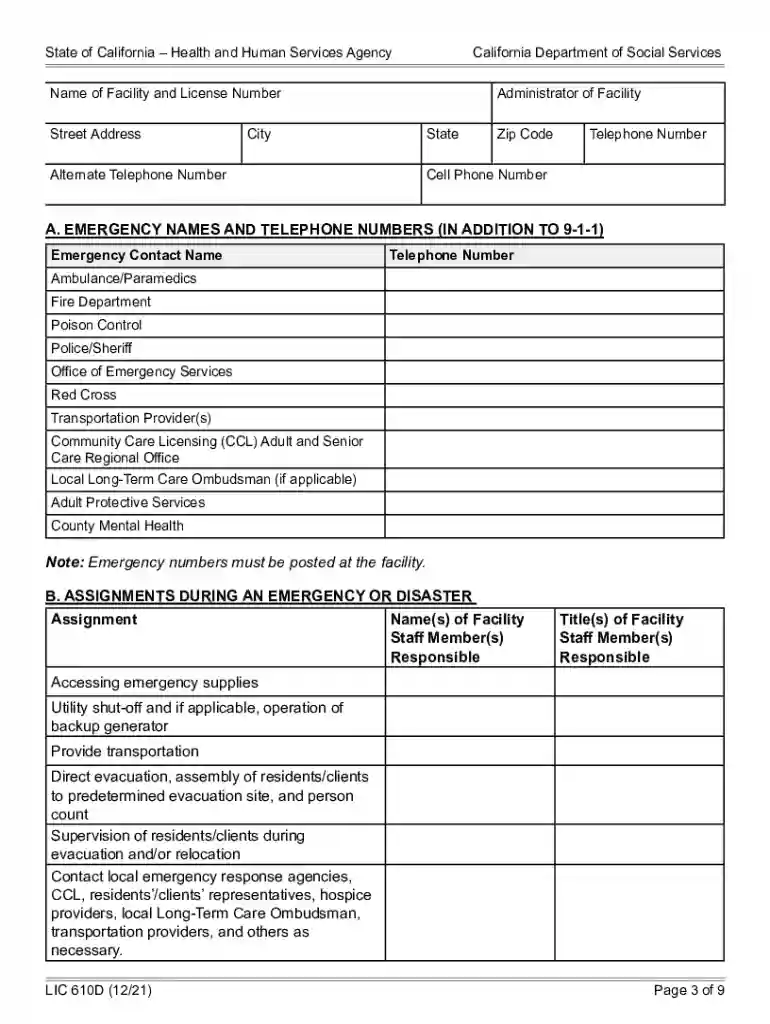
Type text, add images, blackout confidential details, add comments, highlights and more.

Draw your signature, type it, upload its image, or use your mobile device as a signature pad.

Send it via email, link, or fax. You can also download it, export it or print it out.
Personal Rights, as defined by the California Department of Social Services, are fundamental privileges and entitlements that must be upheld within social service settings, such as care facilities. These rights ensure that individuals under care are treated with dignity and respect, free from abuse, neglect, or exploitation. The rights serve to protect the well-being, privacy, and autonomy of individuals, making them essential for maintaining ethical and humane treatment standards in social service environments.
The Personal Rights form issued by the California Department of Social Services is used to acknowledge and document the understanding of these rights by individuals in care facilities. It serves as a tool for both informing and formalizing the responsibilities of care providers to uphold these rights and for care recipients to recognize their entitlements.
Completing the Personal Rights form is critical to ensuring clarity and compliance with state regulations.
Understanding the terminology used in the Personal Rights document is crucial for proper application and compliance.
Proper legal application of the Personal Rights document is essential for compliance with California state laws and for safeguarding residents' and clients' rights.
Recognizing the core components of the Personal Rights document can aid care facilities in maintaining high standards of resident care.
Real-world examples illustrate how personal rights are upheld in California social services settings.
California enforces specific regulations to ensure personal rights are upheld across all licensed care facilities.
By following these guidelines, individuals and care facilities can ensure that personal rights are respected, legally upheld, and effectively integrated into daily practices. This comprehensive coverage of personal rights elevates both the quality of care and the living conditions within care facilities throughout California.
We've got more versions of the lic610d form. Select the right lic610d version from the list and start editing it straight away!
At DocHub, your data security is our priority. We follow HIPAA, SOC2, GDPR, and other standards, so you can work on your documents with confidence.

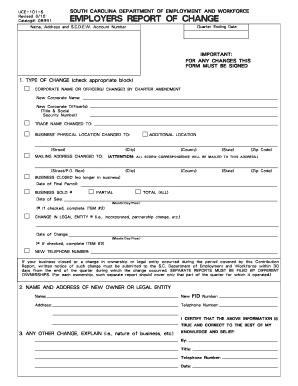
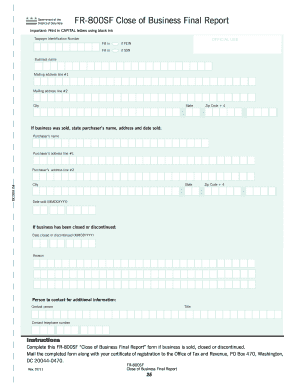

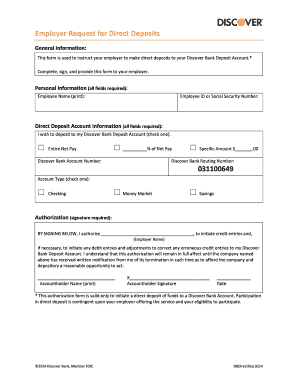


DEPARTMENT OF SOCIAL SERVICES PERSONAL RIGHTS humiliation, intimidation, ridicule, coercion, TELEPHONE NUMBER 95826 916-229-4530
We collect several types of information from and about users of our Services, contacting us at 1-800-378-5225. California Consumer Privacy Act we collect,
This form describes the personal rights to be afforded each child and nonminor dependent placed in a home/facility and states the name of the appropriateRead more


