Definition & Meaning
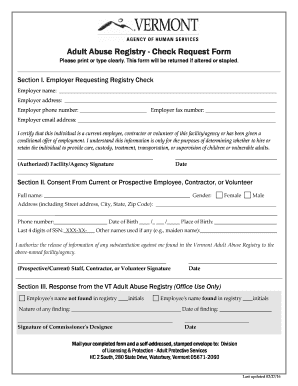
A housing intake form is a structured document used by organizations to collect comprehensive information about clients seeking housing assistance. This form is essential for assessing a client's specific needs, ensuring they receive appropriate support and resources. Typically, the form involves sections covering personal details, legal history, and housing situation, among other areas. By capturing detailed data, the form assists in creating a tailored recovery or support plan geared towards improving the individual's housing circumstances.
Importance of Data Collection
- Personal Details: Essential information includes name, contact details, and age, forming the baseline for identifying the individual seeking assistance.
- Legal History: Understanding a client's legal background is crucial, particularly if there are pending matters that may affect housing eligibility.
- Health Status: Sections dedicated to mental and physical health help assess additional support needs, ensuring suitable housing is provided.
- Social Support Systems: Collecting information on existing support networks assists in developing more comprehensive support strategies.
- Housing Situation: Identifying current living conditions helps determine the type of housing assistance required.
How to Use the Housing Intake Form
To maximize the utility of a housing intake form, it is important to understand its role in the overall assistance process. The form serves as the starting point for evaluating a client's eligibility and streamlining the allocation of resources.
Step-by-Step Utilization
- Initial Assessment: Begin with a preliminary review to ensure the form fits the client's needs.
- Complete With Client: Whenever possible, fill out the form in collaboration with the client to ensure accuracy.
- Detailed and Honest Responses: Encourage clients to provide truthful and comprehensive answers to capture a full picture of their circumstances.
- Review and Verify: Cross-check the information provided for consistency to avoid any potential errors that might misinform decision-making.
- Submission: Follow the appropriate submission guidelines to ensure the form reaches the correct department or entity for review.
How to Obtain the Housing Intake Form
Housing intake forms can be sourced from various platforms depending on the organization offering housing assistance. Having access to this form is crucial as it marks the initial step toward receiving support.
Common Sources
- Government Agencies: Many federal and state housing departments provide intake forms via their websites.
- Non-Profit Organizations: Organizations focusing on homelessness or low-income housing typically offer forms on their websites or offices.
- Community Support Centers: Local centers frequently have these forms available for individuals needing immediate support.
- Online Platforms: Forms can often be downloaded and printed from various housing assistance sites.
Steps to Complete the Housing Intake Form
Completing a housing intake form accurately is vital for a timely and efficient support process. Below are the primary steps that should be taken when filling out this form.
Procedure
- Gather Required Documents: Collect necessary documentation, such as identification, proof of income, and any legal papers.
- Fill in Personal Information: Ensure all personal fields are completed, such as name, address, and contact information.
- Detail Housing History: Provide thorough details of past and current living arrangements.
- Include Legal and Health Information: Complete sections regarding any ongoing legal issues or health conditions needing accommodation.
- Review and Edit: Double-check all information for accuracy and completeness before submission.
Why You Should Use the Housing Intake Form
The housing intake form is a critical tool for ensuring individuals receive the right level of support they need based on their unique situations. Filling out this form thoroughly helps resource allocators plan and provide assistance effectively.
Key Benefits
- Tailored Assistance: Allows for the customization of housing solutions based on individual assessments.
- Efficient Allocation: Streamlines resource management within housing programs, reducing wait times for assistance.
- Record Keeping: Maintains detailed records of clients and their needs, aiding in future references and support planning.
- Improved Outcomes: Leads to more successful housing placements and long-term support for individuals in need.
Users
- Social Workers: Utilize forms to build a case file for clients seeking housing support.
- Housing Authorities: Leverage data from forms to allocate resources and arrange housing placements.
- Non-Profit Organizations: Depend on intake data to tailor their services to the needs of their clientele.
- Community Support Services: Employ forms to better integrate housing solutions with other support services offered.
Key Elements of the Housing Intake Form
A successful housing intake form should include several critical sections designed to capture comprehensive client information. These sections form the backbone of the assessment process and lay the groundwork for support.
Core Components
- Personal and Contact Information: Ensures proper identification and future communication.
- Legal and Health Histories: Provides a context for additional support areas outside of immediate housing needs.
- Income and Employment Details: Essential for evaluating financial eligibility and potential for rental assistance programs.
- Family and Social Networks: Helps in assessing support systems available to the client.
State-Specific Rules for the Housing Intake Form
While most housing intake forms follow a standard format, some state-specific variations exist due to differing legal and policy requirements.
Considerations
- Eligibility Criteria: Varies by state, affecting income thresholds and asset evaluations.
- Additional Documentation: Some states may require specific documents not applicable in others.
- Processing Times and Procedures: Distinct processing protocols can influence how quickly support is provided.
- Policy Changes: Be aware of any recent state-specific legislation affecting housing assistance processes.
Examples of Using the Housing Intake Form
Understanding how housing intake forms are used in real-world scenarios illustrates their importance in the housing assistance process.
Case Studies
- Emergency Housing: For clients recently displaced, these forms expedite the allocation of temporary shelter.
- Supportive Housing: Individuals with special needs or disabilities benefit from accurately completed forms that highlight their requirements for specialized housing.
- Transitional Housing Programs: Clients moving from institutional settings back into the community are assessed for suitable housing through these forms.
These sections together provide a comprehensive understanding of the housing intake form, highlighting its purpose, use, and impact within the context of housing support services.