Definition and Purpose of a True Copy Affidavit
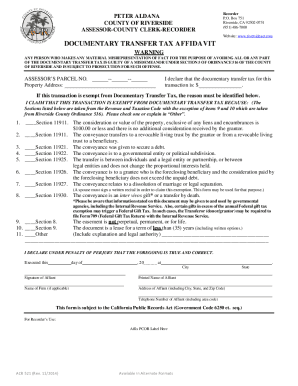
A True Copy Affidavit is a legal document used to declare that a duplicate copy of a particular document is an accurate and unchanged replication of the original. This affidavit mainly consists of the individual’s signature, printed name, and date, along with an acknowledgment from a notary public. It’s essential in situations where original documents cannot be sent or shared, such as in legal proceedings or official applications, ensuring that the copies being used are considered valid and reliable.
Components of a True Copy Affidavit
- Certification Statement: Declares that the copies are exact replicas of the originals.
- Affiant’s Information: Includes the personal details like name and contact information.
- Document Description: A brief explanation of what the copied documents contain.
- Notary Acknowledgment: Validation by a notary to confirm the affidavit's authenticity.
How to Use the True Copy Affidavit
Understanding how to utilize a True Copy Affidavit effectively is crucial in ensuring legal compliance and prevention of document rejection. Here are practical steps and considerations for its use:
Step-by-Step Process
- Identify Documents: Determine which original documents need to be reproduced and certified.
- Prepare Copies: Make clear and legible photocopies of the original documents.
- Complete the Affidavit: Fill out the affidavit form, ensuring all fields are accurately covered, including the description of the original documents.
- Sign the Affidavit: As the affiant, provide your signature in the presence of a notary public.
- Notary’s Role: The notary will verify your identity and witness your signing of the affidavit, then provide their own signature and seal.
Common Use Cases
- Legal Procedures: To provide legally acknowledged document copies in court.
- Business Transactions: When original documents cannot be relinquished.
- Educational Institutions: For submitting certified copies of diplomas or certificates.
How to Obtain a True Copy Affidavit
Acquiring a True Copy Affidavit involves specific procedures to ensure legitimacy and appropriate usage. The following outlines how one might go about obtaining this affidavit:
Where to Get the Form
- Notary Public Offices: Many notary offices provide templates for True Copy Affidavits.
- Legal Forms Providers: Online legal form services often have downloadable versions.
- Lawyers and Legal Advisors: Consulting with a lawyer might provide a customized affidavit adapted to specific needs.
Procedures for Obtaining the Form
- Download and Print: Access an appropriate form from a trusted legal forms website, then download and print it.
- Request from a Notary: Visit a notary public service that may offer the option to purchase or use a standard form they have available.
Steps to Complete the True Copy Affidavit
Completing a True Copy Affidavit accurately is critical to its effectiveness. Follow these steps to ensure that the affidavit is properly filled out and accepted:
Detailed Instructions
- Fill Out Personal Information: Include full legal name, address, and contact details.
- Describe the Document: Clearly detail what the documents entail and why they are being copied.
- Sign in Presence of a Notary: You must sign the affidavit while the notary observes; ensure you have valid identification.
- Notary Certification: The notary will sign and stamp the affidavit, which acts as a legal acknowledgment of its correctness.
Legal Importance of the True Copy Affidavit
The True Copy Affidavit plays a critical role in affirming the authenticity of copied documents, providing a layer of legal protection and assurance. Here’s why it’s legally significant:
Legal Protections
- Evidence in Court: Certified copies can be used as evidence, ensuring that the information provided is considered legally sound.
- Document Validity: Strengthens the credibility of documents in business and official matters.
Compliance with Legal Standards
- Notary Acknowledgment: This ensures compliance with regulations requiring notarization for certain affidavits and document transactions.
- Security of Transactions: Helps protect against fraudulent claims by providing verified duplicates.
Primary Users
- Legal Professionals: Lawyers and legal firms often use these affidavits during case preparations to ensure document authenticity.
- Business Entities: Companies need verified copies for transactions, especially during audits or due diligence processes.
- Academic Institutions: Schools and universities use them for verifying certificates and academic records.
Specialized Scenarios
- Real Estate Transactions: Used when certified copies of property deeds are needed for legal verification.
- Immigration Processes: Used to submit verified copies of crucial documents when originals cannot be sent.
State-Specific Rules for the True Copy Affidavit
The requirements and regulations for True Copy Affidavits may vary depending on the state. It is crucial to adhere to the specific guidelines prescribed by each jurisdiction:
Overview of Variations
- Notarization Requirements: Some states have additional notary rules, including specific notary language or additional witness requirements.
- Format and Content: Different states may mandate distinct wording or document inclusions to be considered valid legally.
Example Differences
- California: Might require additional forms for notarization, like a separate acknowledgment form.
- New York: May have specific wording for the notary section that differs from other states.
Penalties for Non-Compliance
Failing to adhere to the proper guidelines when utilizing a True Copy Affidavit can lead to severe consequences:
Potential Consequences
- Legal Repercussions: Using an incorrect or unverified copy could result in legal challenges or document rejection.
- Monetary Fines: In some jurisdictions, fines may be imposed for failing to comply with statutory requirements related to affidavits.
Avoidance Strategies
- Ensure Accurate Completion: Double-check all entries and ensure a clear, legible signature.
- Consult Legal Counsel: Especially for complex documents, consulting with a legal advisor may provide added assurance of compliance.