




Definition & Meaning
The "EBIP Paired Stimulus Data Sheet 6 Items docx - vkc mc vanderbilt" is a document designed to facilitate a Paired Stimulus Preference Assessment. This method is used to determine preferences by presenting items in pairs and recording the child's selections across multiple trials. The assessment aims to categorize items into highest preferred, moderately preferred, and lowest preferred based on selection frequencies. This process assists in understanding individual preferences, critical for developing personalized educational or therapeutic interventions.
Key Elements of the EBIP Paired Stimulus Data Sheet
This form includes several essential sections:
- Item List: A comprehensive list of six items labeled A through F, used in the assessment.
- Selection Recording: Sections for documenting each trial and the frequency of how often each item is selected.
- Preference Categorization: A summary section for classifying items into preferred categories based on their selection count.
These components ensure accurate data collection and analysis of preferences.
How to Use the EBIP Paired Stimulus Data Sheet
The procedure for utilizing the EBIP Paired Stimulus Data Sheet includes:
- Preparation: Gather six items for the assessment and label them A through F.
- Trial Execution: Present pairs of items to the child and record which item is chosen.
- Data Entry: Fill out the form, noting each selection for each pair presented.
- Analysis: Count the frequency of selections to categorize items into preference levels.
- Finalization: Review the results to develop strategies or interventions tailored to the child's preferences.
Steps to Complete the EBIP Paired Stimulus Data Sheet
- Trial Setup: Arrange items into pairs systematically, ensuring all possible combinations are covered.
- Observation: Present the pairs to the participant, ensuring consistent conditions across trials.
- Documentation: Record each choice and frequency promptly to maintain accuracy.
- Synthesizing Data: Analyze the results for patterns or trends in preferences.
- Comprehensive Review: Use the collected data to inform decision-making or behavioral strategies.
Who Typically Uses the EBIP Paired Stimulus Data Sheet
- Educators: To tailor learning strategies according to individual preferences.
- Therapists: For personalized therapeutic interventions based on participant interests.
- Researchers: To gather data on preference patterns for scholarly analysis or studies in behavior science.
These professionals rely on precise data collected using this form to guide their practice and research.

Examples of Using the EBIP Paired Stimulus Data Sheet
Consider a classroom setting where a teacher uses the EBIP sheet to determine a student's preferred learning tools, such as tablets versus books or group activities versus solitary work. The data guides instructional decisions that can enhance the student's engagement and learning outcome.
In therapy, a practitioner might use the sheet to identify toys or activities that a child responds to positively, thus tailoring therapy sessions to sustain interest and encourage progress.
Important Terms Related to EBIP Paired Stimulus Data Sheet
- Paired Stimulus Preference Assessment: A method used to evaluate preferences by offering two stimuli and recording which one is selected.
- Trial: Each instance of presenting a pair of items and documenting the chosen item.
- Frequency Count: The total number of times a specific item is selected, used to determine preference strength.
Understanding these terms is crucial for accurately completing and interpreting the data sheet.
Software Compatibility
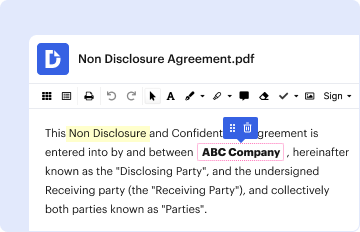
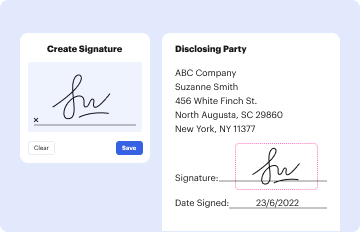
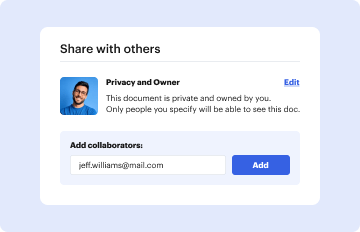
While the EBIP Paired Stimulus Data Sheet might originally be in a DOCX format, it can be seamlessly integrated with document management platforms like DocHub. This service supports numerous file types and allows users to edit, annotate, and collaborate on documents, ensuring flexibility and ease of use for diverse user needs.
State-Specific Rules for the EBIP Paired Stimulus Data Sheet
While the EBIP method is generally consistent across locations, practitioners in various states must consider:
- Educational Standards: Ensure the use aligns with state-specific educational guidelines or special education plans.
- Data Privacy Laws: Abide by state regulations regarding the collection and storage of sensitive information.
- Professional Licensing Requirements: Verify that use of the assessment complies with local professional practice standards.
These considerations ensure lawful and ethical application of the EBIP assessment tool within diverse jurisdictions.