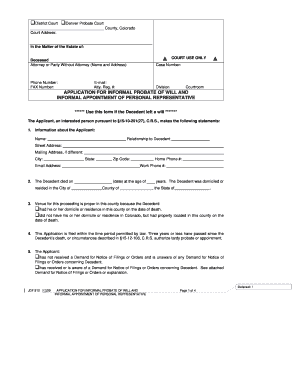
Definition & Meaning
A financial undertaking form is a legally binding document that individuals or entities complete to confirm their financial capability to meet specific financial obligations. This form typically requires the signatory to affirm having sufficient funds to cover certain expenditures, often in contexts such as education, rental agreements, or business transactions. By signing this form, the individual acknowledges their understanding of the financial responsibilities outlined and the potential consequences of failing to fulfill these obligations.
Practical Examples
- Educational Settings: Students or their sponsors may need to provide a financial undertaking form to institutions like the University of Cambridge to prove they can afford tuition and living expenses.
- Rental Agreements: Tenants might be required to sign a financial undertaking form to assure landlords of their capability to pay rent consistently.
- Business Transactions: Companies may use these forms to demonstrate their financial health and commitment when entering new partnerships.
How to Use the Financial Undertaking Form
Using a financial undertaking form involves several critical steps, each ensuring that the form serves its intended purpose effectively.
- Identify the Requirement: Understand why the form is necessary in your situation. This could be for educational, rental, or transactional purposes.
- Gather Financial Information: Collect necessary documents that substantiate your financial status, such as bank statements, income proof, or financial guarantees.
- Complete the Form: Fill out all required fields accurately, ensuring that the financial commitments specified match your capabilities.
- Consult a Professional: If the form involves complex financial terms or significant amounts, consider seeking advice from a legal or financial professional to ensure comprehension and compliance.
- Submit the Form: Determine the submission method required by the entity requesting the form, whether by mail, online, or in person.
Who Typically Uses the Financial Undertaking Form
Various entities and individuals utilize financial undertaking forms based on their financial interactions and requirements.
- Students and Educational Institutions: To confirm their financial readiness for educational expenses.
- Tenants and Landlords: In rental agreements to ensure rent payment capability.
- Business Entities: When entering contracts or partnerships that require proof of financial stability and commitment.
- Sponsoring Organizations: For proving the ability to act as financial guarantors for individuals or projects.


Steps to Complete the Financial Undertaking Form
Completing a financial undertaking form involves detailed attention to several steps:
- Read Instructions Carefully: Begin by thoroughly reading the instructions provided with the form.
- Provide Personal and Financial Details: Accurately enter your personal information, including your financial capability details.
- Attach Supporting Documents: Include copies of documents like bank statements, salary slips, or contracts that verify your financial claims.
- Review and Verify: Ensure all information is correct and complete, as inaccuracies can lead to complications or rejections.
- Sign the Form: Provide your signature to authenticate the information provided.
- Submit: Follow the specified method of submission, ensuring it reaches the necessary party by the required deadline.
Key Elements of the Financial Undertaking Form
Understanding the primary components of a financial undertaking form can assist in effective completion and submission.
- Identification Information: Name, contact details, and relationship to the entity or individual requesting the form.
- Statement of Financial Capability: Details outlining the financial capacity to meet the obligations described.
- Supporting Financial Documentation: Attachments that substantiate your financial statements (e.g., bank statements, income proof).
- Terms and Conditions: Specific obligations and conditions under which the form is submitted.
- Declaration and Signature: A formal declaration of truthfulness, typically accompanied by a signature, affirming the details provided.
Legal Use of the Financial Undertaking Form
The financial undertaking form carries legal weight, making it crucial to understand its implications.
- Contractual Obligation: Once signed, the form may be considered a contract, legally obligating the signatory to fulfill the financial commitments described.
- Risk of Non-Compliance: Failure to meet these obligations can result in legal actions or penalties, depending on the governing jurisdiction's laws.
- Legal Consultation: It is advisable to have legal guidance when entering agreements involving significant amounts, especially where penalties for non-compliance may be severe.
Examples of Using the Financial Undertaking Form
Various situations highlight the applicability and necessity of financial undertaking forms:
- International Students: Institutions may require these forms to ensure students have funding for tuition and living expenses before granting admission.
- Corporate Leasing: Companies may need to show financial readiness through this form when leasing large premises for operational expansion.
- Medical Agreements: Patients undergoing treatment through financing may sign these forms to confirm their ability to make payments.
State-Specific Rules for the Financial Undertaking Form
Different states may have varying requirements and regulations pertaining to financial undertaking forms.
- Documentation Standards: Some states may mandate specific types of documentation to accompany the form, reflecting regulatory compliance.
- Filing Procedures: The method for submitting the form may vary, impacting how and where the form is submitted.
- Legal Ramifications: State laws governing financial disputes differ, influencing how non-compliance cases are handled.
Who Issues the Form
The issuance of financial undertaking forms typically involves:
- Educational Institutions: Schools, colleges, and universities providing the form for educational financial commitments.
- Government Agencies: Issuing forms for situations like immigration where proof of financial support is required.
- Business Organizations: Corporations offering the form as proof of financial backing in partnerships and contracts.
Understanding these dynamics aids in accurately navigating situations requiring financial undertaking forms, ensuring compliance and readiness in various contexts.