




01. Edit your tax refund worksheet online
Type text, add images, blackout confidential details, add comments, highlights and more.

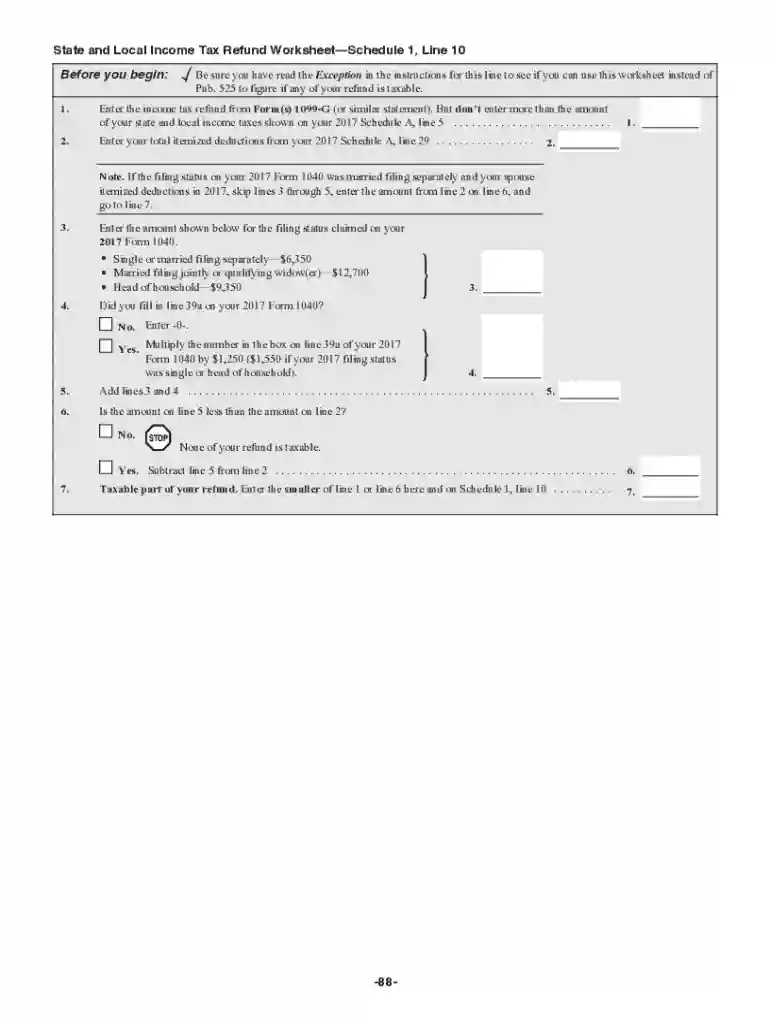
Type text, add images, blackout confidential details, add comments, highlights and more.

Draw your signature, type it, upload its image, or use your mobile device as a signature pad.

Send it via email, link, or fax. You can also download it, export it or print it out.
The State and Local Income Tax Refund WorksheetSchedule is a tax form utilized by individuals who received a state or local income tax refund during the previous tax year. It helps determine the taxable portion of these refunds, which can affect federal tax obligations. The form specifically applies to individuals who itemized deductions on their federal returns during the prior year. The worksheet aids taxpayers in understanding how these refunds impact their current tax liability, ensuring accurate reporting in conjunction with Schedule 1, Line 10 of the federal tax return.
Taxpayers should first gather their tax documents from the prior year to ascertain if they itemized deductions. The worksheet requires details about these deductions and other specific financial data to determine the taxable amount of any state or local income tax refunds. The steps include:
These processes help taxpayers maintain compliance with federal tax requirements and prevent unnecessary payment of taxes on non-taxable refund portions.
Review Previous Deductions:
Calculate Refund Amount:
Determine Taxable Portion:
These steps ensure accurate identification of taxable income, allowing for transparency in individual tax filings.
This worksheet is mainly used by individuals who:
The form’s primary users are individual taxpayers, though they may also include self-employed persons or retirees who met the deduction criteria.


Understanding these terms assists users in accurately utilizing the worksheet.
The IRS stipulates that only the taxable portion of a state or local income tax refund needs to be reported on the federal return. Compliance with IRS guidelines helps avoid penalties or incorrect tax submissions. The worksheet provides clear instructions based on IRS rules, ensuring taxpayers adhere to these requirements when completing their returns.
Taxpayers must file the worksheet information as part of their federal tax return by the standard deadline, typically April 15 of each year. Extensions may adjust this date to October 15 if filed timely, but the worksheet should remain completed by the original deadline to prevent interest or penalties.
Before starting the worksheet, taxpayers should gather:
These documents help ensure the accuracy of the information provided, supporting the worksheet’s purpose effectively.
Different states have unique rules concerning the reporting and treatment of tax refunds. Taxpayers should consult state tax resources or a tax advisor to understand any specific nuances related to their refunds. State differences can affect both the completion of the worksheet and the determination of taxable income, necessitating awareness of regional varieties.
By providing detailed information and practical examples, each block aims to deliver a comprehensive understanding of the State and Local Income Tax Refund WorksheetSchedule, ensuring users can navigate its requirements effectively.
We've got more versions of the tax refund worksheet form. Select the right tax refund worksheet version from the list and start editing it straight away!
At DocHub, your data security is our priority. We follow HIPAA, SOC2, GDPR, and other standards, so you can work on your documents with confidence.
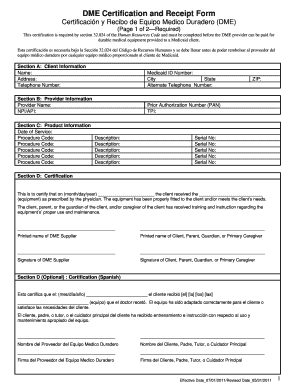
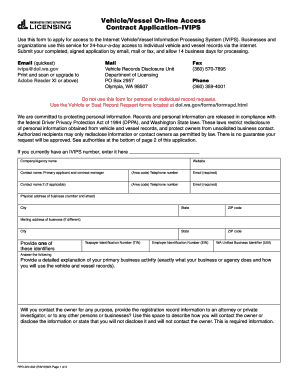

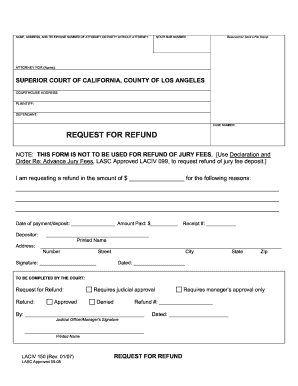



2a Tax-exempt interest . . . 2a b Taxable interest . . . . . 2b. 3a Qualified dividends . . . 3a b Ordinary dividends . . . . . 3b. 4a IRA distributions .Read more
Dec 12, 2025 State and local, income taxes (or general sales tax, if applicable) from Form IT-196, line 5 and any foreign income taxes included on line 8.Read more


