
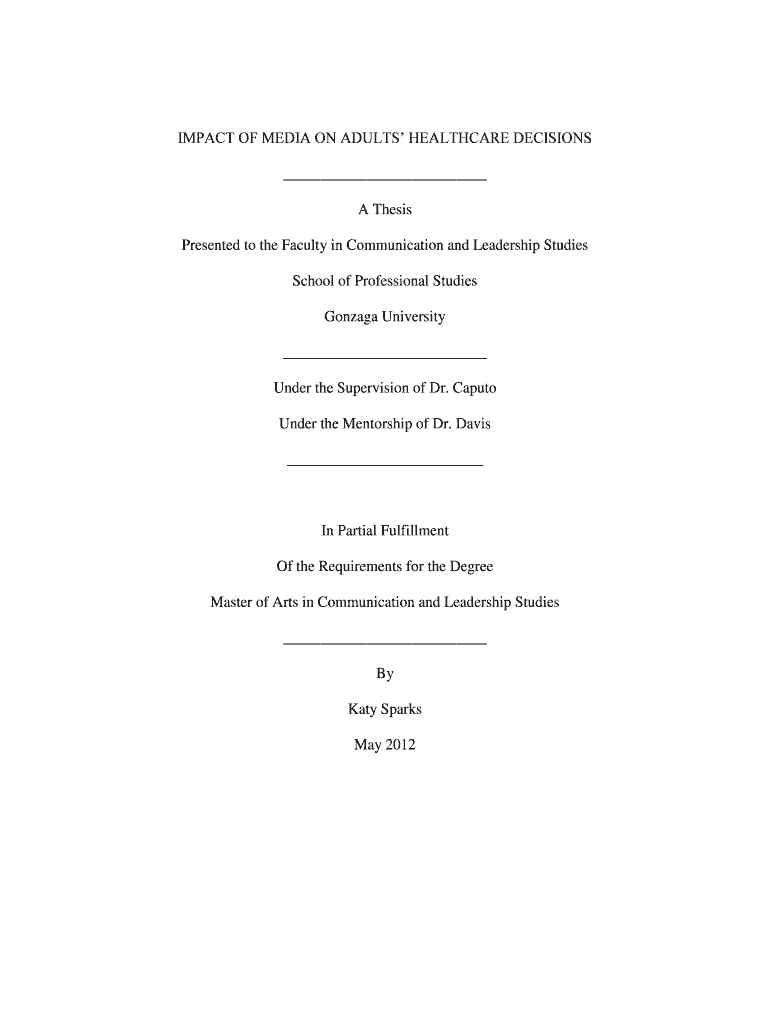







Overview of Media's Influence on Healthcare Decisions
Media plays a pivotal role in shaping adults' healthcare decisions. The thesis by Katy Sparks highlights that while a vast majority of adults aged 35-64 depend on media for health information, this influence is not straightforward. It delves into the nuances of media impact through the lens of media dependency theory.
Key Elements of Media Impact
Understanding how media impacts healthcare decisions requires examining several key elements:
- Information Channels: Media includes television, radio, print, and digital platforms. Each offers varying depths of information that may affect individuals differently.
- Perceived Credibility: Individuals tend to rely more on media channels they perceive as credible, impacting the kind of healthcare decisions they make.
- Information Overload: The abundant availability of information can sometimes lead to confusion, causing adults to seek professional advice despite media consumption.
Steps to Analyze Media's Role in Decision-Making
- Identify Trusted Sources: Determine which media sources are generally trusted by the audience.
- Assess Content Quality: Evaluate the quality and accuracy of health-related information presented.
- Measure Influence: Analyze how this information influences decision-making steps, such as selecting healthcare providers or treatments.
How to Use Media Information Effectively
Adults can employ a strategic approach to using media for health decisions:
- Cross-Verification: Validate the information from multiple sources to ensure accuracy.
- Consultation with Experts: Discuss findings from media with healthcare professionals.
- Continuing Education: Stay informed through reputable channels and updates on medical advancements.
Examples of Media Impact on Healthcare Choices
Numerous scenarios demonstrate the media's influence:
- New Treatments: Media often highlight breakthrough treatments leading to increased public interest. However, the actual adoption rate among patients depends on further professional validation.
- Public Health Campaigns: Media-driven campaigns can significantly boost awareness and action, such as vaccination drives.
State-Specific Media Influence
Healthcare decisions are not uniform across the United States due to varying state policies and media regulations. Here's how media influence can differ:
- Regulatory Differences: Different states have unique broadcasting guidelines which may affect the kind of health information disseminated.
- Local Media: State-specific media often address healthcare issues unique to their locale, impacting local healthcare decisions significantly.
Digital vs. Traditional Media
The landscape of media is changing with digital advancements, and its impact varies:
- Digital Platforms: Offer real-time updates and interactive engagements that can influence immediate healthcare decisions.
- Traditional Media: Often viewed as more reliable, influencing long-term health strategies.
Legal Implications and Considerations
Consumers should be mindful of potential legal concerns related to media consumption:
- Data Privacy: Always ensure personal information collected by digital media platforms is protected and compliant with laws.
- Misleading Information: Be wary of legal issues arising from acting on inaccurate information that may be shared via certain media sources.
Conclusion on Media's Role
While media is a powerful tool in disseminating health information, its impact on decision-making is complex and multifaceted. Understanding the intricate relationship between media consumption and healthcare choices is critical in navigating the plethora of information available to adults today.




