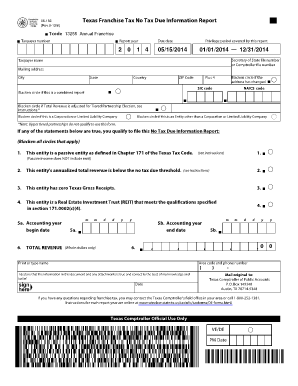
Definition and Meaning of Form 50-115
Form 50-115, also known as the application for property tax exemptions for charitable organizations, is a critical document for entities seeking property tax relief in Texas. This form is designed to capture detailed information about the organization's purpose, activities, and property use to assess eligibility for exemptions. Understanding this form is essential for charitable organizations aiming to reduce their property tax liability.
Key Characteristics
- Purpose: Form 50-115 is used to request property tax exemptions for organizations that qualify as charitable under Texas law.
- Eligibility: The form is applicable specifically for charitable organizations operating within Texas.
- Content: It includes sections to detail organizational information, property details, and the nature of charitable activities conducted.
How to Use Form 50-115
To make the most effective use of Form 50-115, understanding its structure and requirements is crucial.
Steps to Follow
- Gather Required Information: Before beginning the form, collect all necessary documents related to your organization’s founding documents, bylaws, and recent financial statements.
- Complete Organization Details: Provide comprehensive information about your organization, including its legal name, address, and mission statement.
- Detail Charitable Function: Clearly outline how your organization meets the criteria for being a charitable entity, including specific services provided.
- Property Information: Fill in the sections asking for detailed descriptions of the property for which you are seeking tax exemption.
Practical Tips
- Ensure Accuracy: Double-check all entries for any potential errors or omissions that could hinder application approval.
- Consult with Legal Experts: Engage with legal or tax professionals familiar with Texas property laws to help navigate complex sections.
Steps to Complete the 50-115
Completing Form 50-115 requires meticulous attention to detail and a stepwise approach.
Detailed Process
- Read Instructions Thoroughly: Begin by carefully reading the instructions provided with the form to understand all requirements and guidelines.
- Fill in Identification Details: Ensure that your organization’s identification information is accurate and matches other official records.
- Provide Charitable Activities Overview: Detail the organization’s activities and establish how these meet the conditions for a property tax exemption.
- Attach Supporting Documents: Gather and attach necessary documents such as IRS determination letters, bylaws, and proof of property ownership.
- Submit the Application: Decide on a submission method that suits your organization—whether online, by mail, or in person. Ensure that deadlines are observed.
Common Mistakes to Avoid
- Incomplete Information: Ensure all fields are completed, and do not leave any section blank unless explicitly allowed.
- Late Submissions: Be aware of submission deadlines to avoid missing out on the exemption for the tax year.
Criteria Overview
- Charitable Purpose: The primary purpose of the organization should align with charitable guidelines under Texas law.
- Use of Property: The property must be used exclusively for carrying out charitable activities.
- Non-profit Status: The organization should hold a valid IRS non-profit status.
Examples of Eligible Entities
- Healthcare Providers: Hospitals or clinics providing free or reduced-cost care.
- Educational Institutions: Schools offering free or subsidized education to the public.
- Community Services: Organizations providing essential services such as food banks or shelters to underserved populations.
Important Terms Related to 50-115
Understanding the terminology used within Form 50-115 is vital for accurate completion.
Key Terms
- Appraisal District: The local entity responsible for assessing property values and handling property tax exemptions.
- Tax Year: The accounting period for tax purposes, typically corresponding to the calendar year.
- Exemption: A reduction or elimination of tax obligation on the property, based on established qualifications.
Clarifications
- Bylaws: These are the rules governing an organization's operations, required for completion of the form.
- Fair Market Value: The assessed value of the property in the current market, which affects the calculation of tax exemptions.
Filing Deadlines and Important Dates
Adhering to deadlines is crucial for the successful filing of Form 50-115.
Key Dates
- Application Deadline: Typically falls on a specific date annually, often in spring or early summer.
- Amendment Periods: Dates when amendments to submitted forms are allowed, enabling corrections if needed.
Best Practices
- Calendar Reminders: Set up reminders well in advance of deadlines to ensure timely submission.
- Tracking Submissions: Use certified mail or electronic submission methods that offer tracking options for peace of mind and proof of submission.
State-Specific Rules for Form 50-115
Form 50-115 is governed by state-specific regulations unique to Texas.
Texas Regulations
- State Laws: The Texas Tax Code outlines the specific provisions under which charitable organizations can qualify for property tax exemptions.
- Local Appraisal Districts: Each district may have minor variations in the application process or required documentation, reflecting local governance structures.
Compliance Tips
- Consult Local Authorities: Engage with your local appraisal district for the most current and applicable guidance.
- State Updates: Keep an eye on changes in state legislation that might impact the criteria or process involved with Form 50-115.
Legal Use and Compliance of Form 50-115
Ensuring your use of Form 50-115 aligns with legal standards is essential for compliance.
Legal Standards
- Accuracy: Providing false information can lead to penalties or disqualification from receiving tax exemptions.
- Documentation: Proper documentation must be maintained, as the appraisal district may request additional information during the verification process.
Compliance Strategies
- Internal Audits: Conduct regular checks of your submitted forms and documents to ensure ongoing compliance.
- Seek Legal Advice: Consult legal professionals to better understand obligations and to navigate any legal questions or challenges that arise.
By following these structured guidelines and comprehensively understanding the components of Form 50-115, organizations can efficiently manage their property tax exemption requests while ensuring full compliance with Texas legal requirements.