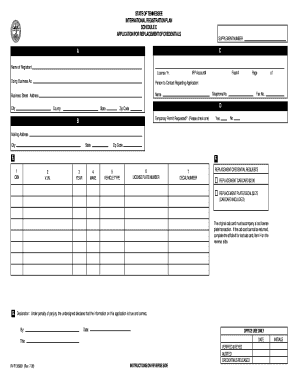
Florida department of revenue power of attorney form 2026

Get Form
florida department of revenue power of attorney form Preview on Page 1

Here's how it works

01. Edit your form online
Type text, add images, blackout confidential details, add comments, highlights and more.

02. Sign it in a few clicks
Draw your signature, type it, upload its image, or use your mobile device as a signature pad.

03. Share your form with others
Send it via email, link, or fax. You can also download it, export it or print it out.

Definition & Meaning

The Florida Department of Revenue Power of Attorney form, also known as DR-835, is a legal document that allows an individual, known as the principal, to appoint another person or representative to handle specific tax matters on their behalf with the Florida Department of Revenue. This authorization enables the representative to perform tasks such as filing documents, communicating with the department, and making decisions within the scope defined by the principal.

  • Principal: This is the individual or entity granting authority to another person through the power of attorney.
  • Representative: The person appointed to act on behalf of the principal regarding specific tax matters.

This form is crucial for individuals or businesses that wish to delegate their tax-related responsibilities to a trusted party, ensuring their affairs are efficiently managed.

How to Use the Florida Department of Revenue Power of Attorney Form

Using the Florida Department of Revenue Power of Attorney form involves several key steps to ensure it is completed correctly and recognized legally.

  1. Identify Scope of Authority: Define the specific tax matters or actions the representative is authorized to handle. Limiting or expanding the representative's authority should be clearly stated on the form.

  2. Select a Representative: Choose a trustworthy individual, such as a tax professional or attorney, who will act in your best interest.

  3. Complete the Form: Fill in the required sections, including personal details of both the principal and the representative. Ensure all information is accurate to avoid processing delays.

    • Principal’s name and contact details
    • Representative’s name and contact details
    • Specific tax matters to be addressed
  4. Sign and Date: Both the principal and the representative must sign and date the form to validate it. The form may require notarization to be accepted by certain authorities.

Ensure the completed form is submitted according to the guidelines provided by the Florida Department of Revenue.

Steps to Complete the Florida Department of Revenue Power of Attorney Form

Completing the Florida Department of Revenue Power of Attorney form requires attention to detail to ensure all necessary information is provided. Follow these steps to complete it effectively:

  1. Gather Required Information: Before filling out the form, collect all pertinent information about the principal and the representative, including Tax Identification Numbers.

  2. Fill Out Principal Information: Enter the principal's full name, address, and taxpayer identification number. This information establishes the identity of the individual granting the authority.

  3. Fill Out Representative Information: Provide complete details of the representative, including their address and contact number. This allows the Florida Department of Revenue to contact the representative if needed.

  4. Specify the Scope of Authority: Clearly indicate which tax matters and actions are authorized. Be specific about the tax periods involved to prevent misinterpretation.

  5. Signatures and Dates: Both parties must sign the form. Ensure dates are accurate as they represent when the authority is granted.

  6. Notarization (if required): Some versions of the form might necessitate notarization for validation.

  7. Submit the Form: Send the completed form to the Florida Department of Revenue through the specified submission method.

Why Use the Florida Department of Revenue Power of Attorney Form

There are several compelling reasons to use the Florida Department of Revenue Power of Attorney form:

  • Professional Representation: By appointing a tax professional, you ensure that your tax matters are handled with expertise and accuracy.
  • Convenience: Delegating responsibilities allows you to focus on other important tasks while your representative manages tax interactions.
  • Efficient Communication: Representatives can directly interact with the Florida Department of Revenue, speeding up processes and resolving issues promptly.
  • Legal Authorization: This form provides clear legal standing for representatives to act, ensuring actions taken are legitimate and respected.
  • Continuity in Business or Personal Affairs: In situations where you cannot handle tax matters personally, this form offers a seamless solution.

Using this form empowers individuals and businesses to effectively manage their tax obligations with minimal stress.

Legal Use of the Florida Department of Revenue Power of Attorney Form

The Florida Department of Revenue Power of Attorney form has specific legal applications, providing a framework for tax management under statutory regulations. The key legal elements include:

  • Statutory Authority: The form operates under Florida's legal system, conforming to state-specific regulations governing powers of attorney.
  • Legally Binding: Once both parties sign and date the form, it becomes a legally binding document, allowing the representative to act in matters specified.
  • Revocation and Amendment: Principals may revoke or modify the form at any time by notifying the Florida Department of Revenue in writing, maintaining control over their affairs.
  • Compliance with Privacy Laws: Representatives have to comply with privacy regulations, ensuring any taxpayer information handled is protected and used appropriately.

This form ensures that all actions taken by representatives on behalf of the principal are legally sanctioned and recognized by the state.

Key Elements of the Florida Department of Revenue Power of Attorney Form

The Florida Department of Revenue Power of Attorney form includes several critical components that determine its effectiveness and legality:

  • Principal and Representative Information: Accurate personal details of both parties are essential for identification and communication purposes.
  • Scope and Limitations: Clearly defined areas of authority prevent misunderstandings and unauthorized actions.
  • Tax Matters and Periods: Specific tax issues and periods involved must be detailed to focus the representative's responsibilities.
  • Signatures and Dates: Essential for validation, the signatures confirm agreement and intent between the principal and representative.

Ensuring these elements are completed accurately promotes effective use of the form.

Required Documents

Before completing the Florida Department of Revenue Power of Attorney form, gather the necessary documents to expedite the process:

  • Taxpayer Identification Number: Essential for verifying the identity of the principal.
  • Proof of Representation: Documentation like a government-issued ID or professional credential to support the representative's eligibility.
  • Previous Tax Records: Helpful for both the principal and representative to understand past filings and obligations.
  • Legal Identification: Government-issued IDs for both parties to confirm identities during submissions.

Having these documents on hand ensures the form can be accurately and swiftly completed.

Form Submission Methods (Online / Mail / In-Person)

Submitting the Florida Department of Revenue Power of Attorney form can be done through various methods, each offering distinct advantages:

  • Online Submission: The fastest option, often coupled with instant confirmation of receipt and the ability to track form status.
  • Mail: Reliable for those preferring traditional methods, but it may take longer to process and confirm receipt.
  • In-Person: Provides immediate feedback and resolution of any issues but requires a physical visit to a Florida Department of Revenue office.

The choice of submission method depends on preferences and urgency, ensuring flexibility for all users.

be ready to get more

Complete this form in 5 minutes or less

Get form

Got questions?

We have answers to the most popular questions from our customers. If you can't find an answer to your question, please contact us.
Contact us
You and your representative must complete, sign, and return Form DR-835 if you want to grant Power of Attorney to an attorney, certified public accountant, enrolled agent, former Department employee, reemployment tax agent, or any other qualified individual.
Does a power of attorney need witnesses or a notary? A power of attorney must be signed by the principal and by two witnesses to the principals signature, and a notary must acknowledge the principals signature for the power of attorney to be properly executed and valid under Florida law.
Draft the POA If you choose to draft the document yourself, its highly recommended that you review Floridas Power of Attorney Act requirements. Your POA must use clear and specific language and meet all state execution requirements, so you should be cautious about using generic online forms.
How much does a Power of Attorney cost in Florida? The fees associated with working with an attorney to create a Power of Attorney can total anywhere between $200 and $500, based on your location.
In Florida, you dont have to hire a lawyer to create your power of attorney you can do it yourself, saving you time and money. As long as you follow Floridas requirements, any POA you create is just as legal as one drafted by a lawyer.

Security and compliance

At DocHub, your data security is our priority. We follow HIPAA, SOC2, GDPR, and other standards, so you can work on your documents with confidence.

Learn more
ccpa2
pci-dss
gdpr-compliance
hipaa
soc-compliance
be ready to get more

Complete this form in 5 minutes or less

Get form

People also ask

The state does not impose a requirement to file or disclose such documents in the public domain. However, a POA might be recorded with a county recorders office for a real estate transaction or filed during a legal proceeding to clear up conflicts related to an agents authority.

Related links