




01. Edit your acute care physical therapy evaluation template online
Type text, add images, blackout confidential details, add comments, highlights and more.

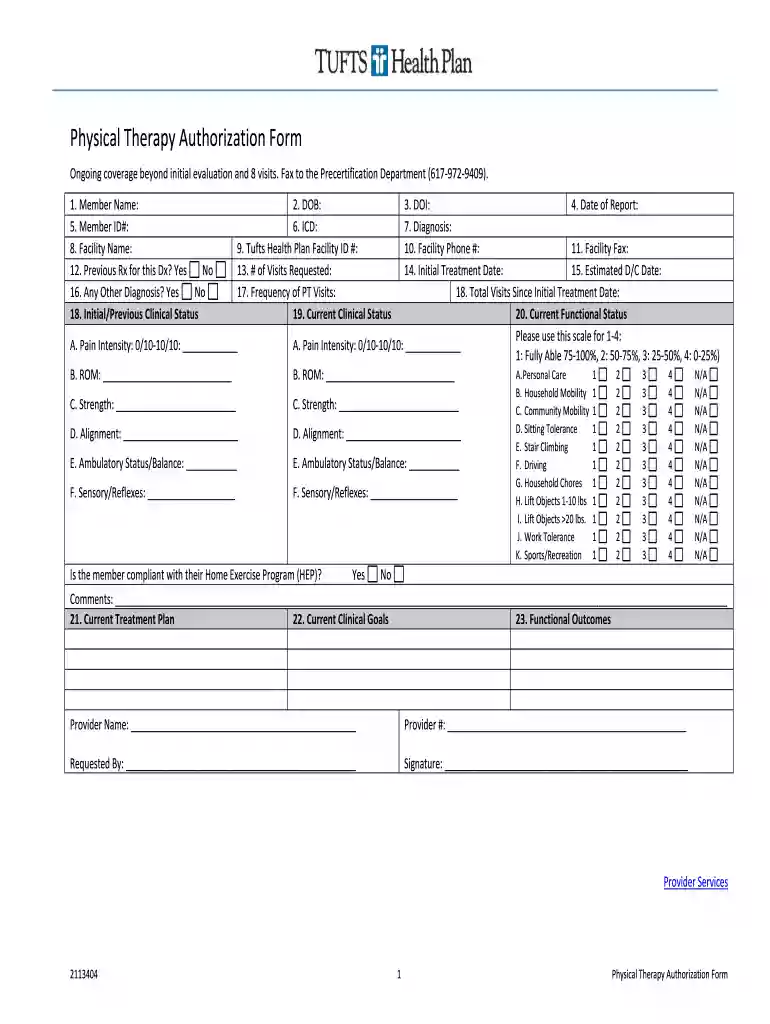
Type text, add images, blackout confidential details, add comments, highlights and more.

Draw your signature, type it, upload its image, or use your mobile device as a signature pad.

Send acute care physical therapy cheat sheet via email, link, or fax. You can also download it, export it or print it out.
An acute care physical therapy evaluation template is a standardized document designed to facilitate the assessment of patients receiving acute physical therapy services. This template serves multiple purposes, including documenting the patient's medical history, current physical condition, and therapy goals. By utilizing this structured format, physical therapists can ensure comprehensive evaluations that adhere to industry standards and improve patient care outcomes.
This template promotes consistency across evaluations and enables effective communication among healthcare providers, thereby enhancing the overall quality of care for patients.
The effectiveness of an acute care physical therapy evaluation template is rooted in its key components, each aimed at facilitating thorough patient assessments. These elements include:
Detailed attention to these elements ensures that the evaluation captures the complexities of each patient's condition, allowing for tailored interventions.
Completing an acute care physical therapy evaluation involves several organized steps. Adhering to this structured approach helps physical therapists deliver thorough and accurate evaluations:
Utilizing this step-by-step approach ensures that the evaluations are thorough, compliant with regulatory standards, and appropriately reflect the needs of patients.
Accurate assessments in acute care physical therapy are critical for several reasons:
In acute care settings, where patients often present with complex conditions, executing precise evaluations is vital to optimizing patient recovery and preventing complications.
While the acute care physical therapy evaluation template streamlines the documentation process, some challenges may arise:
Addressing these challenges involves ongoing training, workflow adjustments, and advocacy for improved technological resources to facilitate efficient patient evaluations.
Utilizing examples of past evaluations can enhance understanding of the template's application in various scenarios. Below are two illustrative cases:
These examples underscore the versatility of the acute care physical therapy evaluation template, demonstrating its efficacy across different clinical contexts.
We've got more versions of the acute care physical therapy evaluation template form. Select the right acute care physical therapy evaluation template version from the list and start editing it straight away!
| Versions | Form popularity | Fillable & printable |
|---|---|---|
| 2014 | 4.9 Satisfied (55 Votes) |
If you frequently work with documents stored in your Google Drive, DocHub is a perfect solution for you to easily and quickly complete, modify, and sign them. This editor integrates properly with Google services, so you can export your physical therapy evaluation template pdf from your Google Drive to the editor without downloading and re-uploading it. Right-click on your document, choose Open With → DocHub PDF Sign and Edit. In our editor, add and assign Signature Fields for all parties involved, then click on the Menu button above → Send → choose how you want to share your form.
You may get and modify your physical therapy initial evaluation template online by using DocHub. Its simple yet feature-rich design enables you to begin effective work immediately after you sign up your account. Create your profile and add your document, and then our interface will guide you via our stress-free form completion experience.
At DocHub, your data security is our priority. We follow HIPAA, SOC2, GDPR, and other standards, so you can work on your documents with confidence.
EPIDEMIOLOGY, CLASSIFICATION GENERAL MANAGEMNET PRINCIPALS. 6. 3.1. Definition and Epidemiology. 6. 3.2. Classification of trauma.Read more
Account of Current Condition: History of present injury: Current Symptoms: Location: Onset: Character: Intensity: Duration: Aggravating Factors:.Read more


