




01. Edit your cancellation form online
Type text, add images, blackout confidential details, add comments, highlights and more.

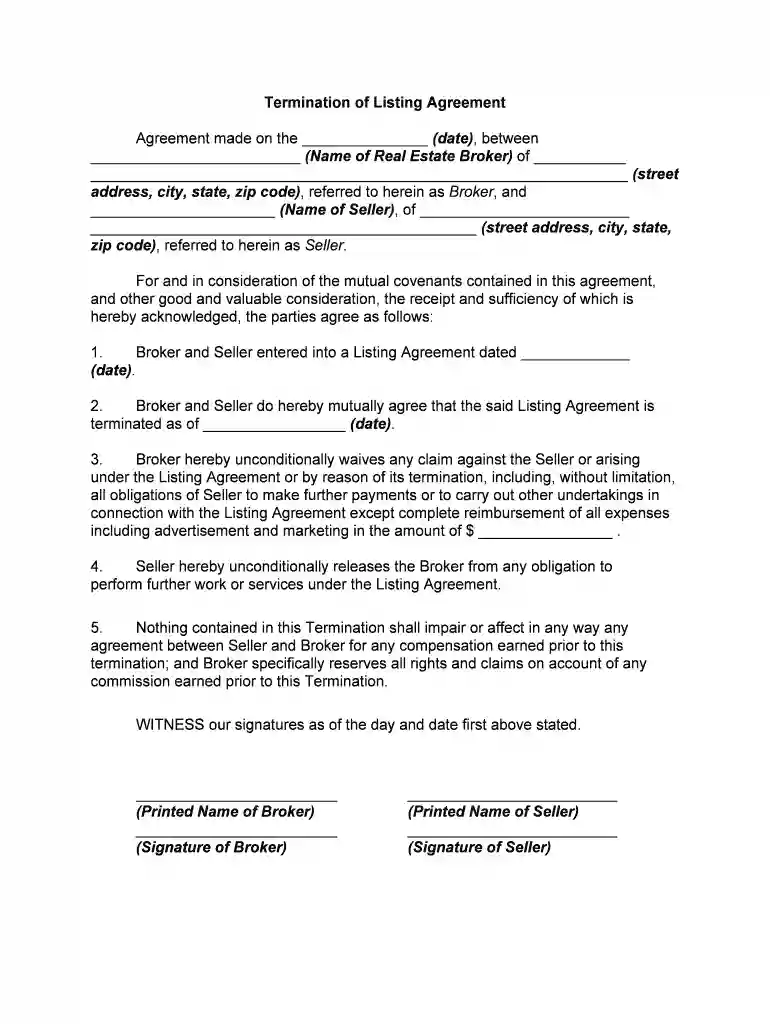
Type text, add images, blackout confidential details, add comments, highlights and more.

Draw your signature, type it, upload its image, or use your mobile device as a signature pad.

Send cancellation form online via email, link, or fax. You can also download it, export it or print it out.
A cancellation form is a document designed to officially terminate a previous agreement or contract. It serves multiple purposes, including confirming the end of an arrangement, outlining any remaining responsibilities, and providing a record of consent from all parties. Such forms are fundamental in ensuring that all involved parties clearly understand the terms under which an agreement is being ended, helping to prevent future disputes.
In business environments, cancellation forms are widely used for terminating services, subscriptions, or memberships. For instance, a telecommunication company may require a cancellation form to finalize the end of a customer’s phone contract. In real estate, a cancellation form is often used to terminate a listing agreement between a broker and a seller.
A comprehensive cancellation form includes several critical components:
Identification of Parties Involved: Clearly lists all parties involved, including their full names and contact information.
Agreement Details: Specifies the agreement being terminated, including relevant dates and reference numbers.
Reason for Cancellation: Provides a section for stating the reason for termination, which can include non-performance or mutual consent.
Signatures: Requires signatures from all parties involved to confirm agreement and understanding of the termination terms.
Understanding terms like "waiver of claims," "release of obligations," and "reservation of rights" is crucial. These ensure that all parties are aware of their rights and any ongoing responsibilities post-termination.
Using the cancellation form involves a series of organized steps:
Gather Required Information: Collect all necessary details about the agreement and the parties involved.
Complete the Form Accurately: Fill out all sections carefully, ensuring the information is accurate and complete.
Review Terms and Conditions: Carefully review the terms to understand any implications or ongoing obligations.
Acquire Necessary Signatures: Ensure all parties sign the form to authenticate the cancellation process.
Submit the Form: Depending on the institution or terms of the agreement, submit the form through the designated method, such as online, by mail, or in person.
The legal enforceability of a cancellation form depends significantly on its proper execution and adherence to local laws. In the United States, these forms must comply with both state and federal contract laws. They often include clauses that provide for the non-retrospective application of rights and obligations, ensuring legal clarity upon termination.
Each state may have specific statutes or regulations regarding how cancellations, particularly in sensitive sectors like real estate or finance, must be documented and processed. Research and ensure compliance with these local laws to avoid potential legal pitfalls.
Obtaining a cancellation form can be straightforward or slightly complex depending on the context. They are typically available from the organization or institution with whom the original agreement was made. This can include:
Online Portals: Many companies offer downloadable PDFs or online forms that can be completed digitally.
Contacting Customer Service: For businesses that do not have the form readily available online, contacting customer service directly can provide guidance.
For convenience, many businesses offer their cancellation forms on their websites. The form can often be accessed through a user account portal or under a "Forms" or "Documents" section. Digital versions are typically compatible with document management tools like DocHub, allowing easy completion and submission.
Completing a cancellation form requires meticulous attention to detail:
Read Instructions Carefully: Start by reviewing any instructions accompanying the form.
Provide Accurate Information: Enter data such as names, contract numbers, and termination dates correctly.
Include Necessary Details: Elaborate on specific reasons for cancellation and any final conditions.
Verify Information: Double-check all information for accuracy to prevent delays in processing.
Submit as Directed: Follow submission instructions, ensuring any required additional documents are included.
Failing to properly complete or submit a cancellation form can lead to several consequences:
Continuing Obligations: The original agreement may remain in effect, leading to further financial obligations or penalties.
Legal Disputes: Incomplete or improperly executed cancellations can result in legal action to enforce original contract terms.
Credibility Impact: For businesses, non-compliance could affect reputation and future contract negotiations.
The decision to use a digital versus paper version of a cancellation form often depends on accessibility, convenience, and personal or organizational preference. Digital versions offer the advantage of easy filing, enhanced expediency, and seamless integration with document management systems like DocHub, while paper forms cater to those who prefer physical documentation.
Convenience and Speed: Digital forms are easier to distribute and process, resulting in quicker cancellations.
Environmentally Friendly: Reduces paper usage and the associated environmental impact.
Integration Features: Easy to store, organize, and share digitally, often directly integrated with business workflow software.
At DocHub, your data security is our priority. We follow HIPAA, SOC2, GDPR, and other standards, so you can work on your documents with confidence.

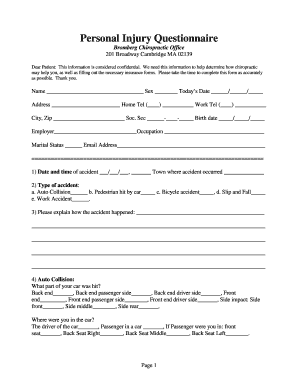

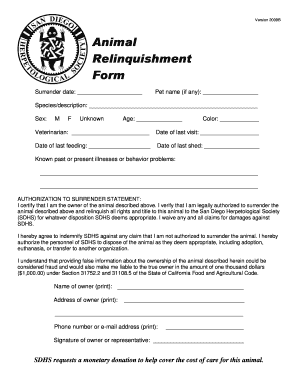


This form must be signed by the licensee. Call Pearson VUE at (800) 274-8969 if you have questions. No Fee is required.
Every form must end with at least two buttons, a submit button to save the entry and a cancel button to abandon the form.
Section Cancellation requests are necessary to cancel an enrolled section due to low enrollment or extenuating circumstances.Read more


