Definition & Meaning
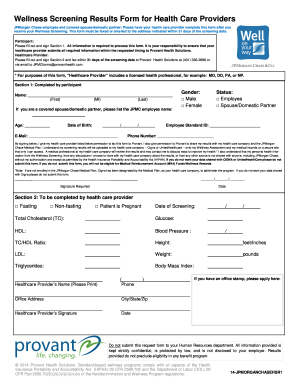
The General Medical Records Release Form - MedSTAR Transport is a legal document that enables patients to authorize the release of their medical records held by MedStar Health. This form acts as a formal request from patients to access or obtain copies of their protected health information (PHI). The form is designed to ensure that all requests for medical records adhere to legal compliance and privacy standards as set forth by the Health Insurance Portability and Accountability Act (HIPAA) in the United States.
Key Components
-
Patient Identification: This section requires the name, date of birth, address, and contact information of the patient requesting the release of their medical records.
-
Scope of Records: Specify which records are to be released, such as diagnostics, imaging results, or treatment histories.
-
Purpose of Disclosure: The form requires the patient to state the intent behind the record request, whether for personal use, continuing medical care, legal reasons, or insurance purposes.
-
Authorization and Signature: The legal efficacy of the form is established through an acknowledgment of understanding and a signature from the patient or their authorized representative.
How to Use the General Medical Records Release Form - MedSTAR Transport
To successfully utilize the General Medical Records Release Form - MedSTAR Transport, follow a straightforward process devised to ensure both accuracy and compliance. Understanding how to fill out and submit the form correctly will facilitate seamless access to the desired medical records.
Step-by-Step Usage Guide
-
Obtain the Form: Access the form via MedStar Health's website or request a copy at one of their physical locations.
-
Complete Patient Information: Fill in personal details carefully, ensuring all fields—such as full name, date of birth, and contact information—are accurately completed.
-
Specify Records and Purpose: Clearly identify the types of medical records being requested and the reason for the request to avoid unnecessary delays.
-
Sign the Authorization: Ensure that you, or a legally authorized representative, sign the form to validate the request for release.
-
Submit the Form: Follow submission guidelines, which may include mailing, faxing, or electronically submitting the form through secure channels.
Important Terms Related to the General Medical Records Release Form - MedSTAR Transport
Understanding specific terminology associated with the General Medical Records Release Form can demystify the process and make it more approachable for patients and caregivers alike.
Key Terminology
-
Protected Health Information (PHI): Refers to any information in a medical record that can be used to identify an individual and was created, used, or disclosed in the course of diagnosis or treatment.
-
Authorization: The formal approval that allows healthcare providers to disclose certain information.
-
HIPAA Compliance: Compliance with the Health Insurance Portability and Accountability Act, which sets the standard for protecting sensitive patient data.
Key Elements of the General Medical Records Release Form - MedSTAR Transport
The form is broken down into several crucial sections that facilitate comprehensive information capture, ensuring that both patient needs and legal requirements are met.
Essential Sections
-
Patient Information: Inclusive of demographic data necessary to identify the individual requesting record access.
-
Details of Requested Information: Allows specification of the particular medical records needed, which may include lab results, imaging, or consultation notes.
-
Information Recipients: Identification of the individual or entity to whom the records should be sent, which might include healthcare providers, insurance companies, or the patient themselves.
-
Time Frame for Authorization: Outlines the duration for which the authorization is valid, commonly set at six to twelve months.
Legal Use of the General Medical Records Release Form - MedSTAR Transport
Ensuring legal compliance when using the General Medical Records Release Form is paramount to protecting patient rights and maintaining privacy regulations.
Legal Guidelines
-
Authorization Validity: The form must be signed and dated by the patient or their legal representative to be legally binding.
-
Revocation of Authorization: Patients have the right to revoke authorization at any time, which must also be documented in writing.
-
Third-party Sharing Limitations: Medical records can only be shared with the entities explicitly identified on the form.
State-Specific Rules for the General Medical Records Release Form - MedSTAR Transport
Different states may have unique regulations impacting how medical records can be released, influencing certain aspects of the General Medical Records Release Form.
Notable Variances
-
Authorization Expiry: Some states require specific language indicating when and how authorization can be revoked.
-
Minor's Medical Records: In certain jurisdictions, additional consent from a guardian is required for releasing records of minors.
-
Fees for Record Copies: Variances exist in permissible charges for furnishing copies of medical records, commonly capped or dictated by state law.
Steps to Complete the General Medical Records Release Form - MedSTAR Transport
Completing the release form accurately ensures that the documentation process is both swift and effective. All necessary details must be verified and explicitly stated.
Detailed Completion Process
-
Accurate Information Entry: Ensure precision in personal and record-specific information.
-
Identification of Records: Articulate the necessary medical information required, including dates and specific reports.
-
Confirmation of Terms: Review and confirm the terms of the release, especially regarding the scope and duration of permission granted.
-
Secure Submission: Follow instructed procedures for submitting the form securely, either digitally or physically, to the designated MedStar Health facility.
Who Typically Uses the General Medical Records Release Form - MedSTAR Transport
The form serves a wide array of individuals and institutions requiring access to medical records while maintaining adherence to privacy standards.


Typical Users
-
Patients: Individuals seeking personal access to their medical records for purposes such as continued care or personal record-keeping.
-
Healthcare Providers: Hospitals or clinics aiming to acquire comprehensive patient histories for ongoing treatment.
-
Legal Representatives: Attorneys or legal entities involved in health-related litigation or insurance claims.
-
Insurance Companies: Organizations needing access to specific health records for validation of claims or coverage analysis.