







Definition and Meaning
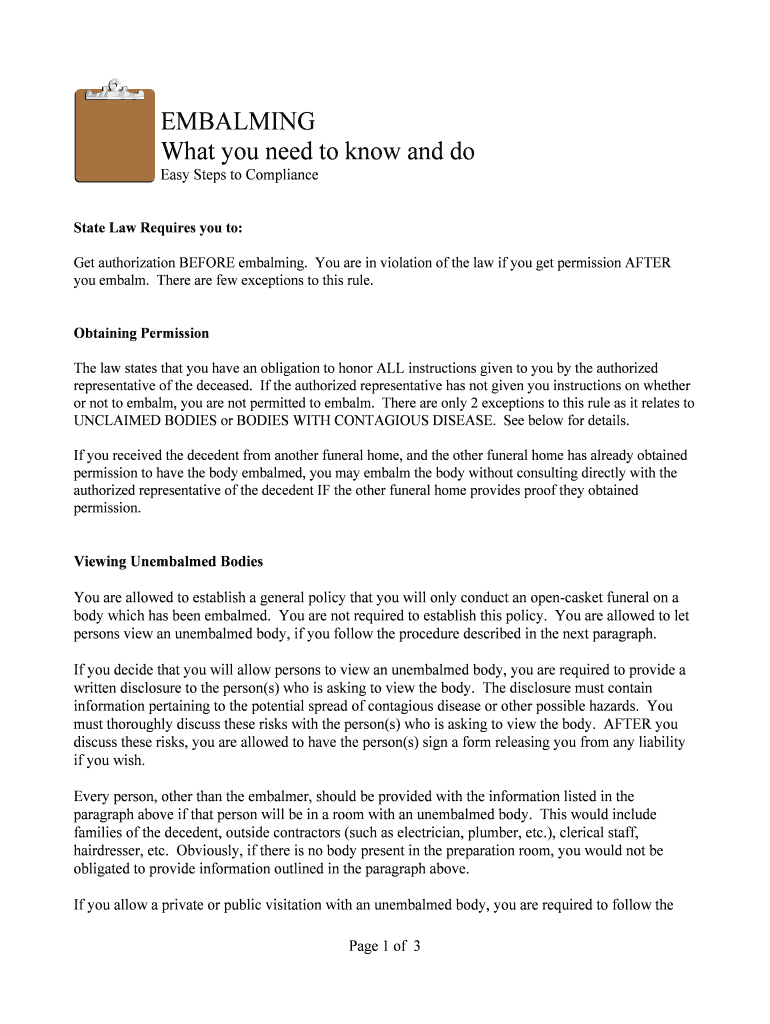
Understanding "What You Need to Know and Do" is crucial in accurately addressing its purpose and implications. This form often serves as a guide for various legal or procedural requirements. It outlines essential information or actions necessary to comply with specific rules or complete certain processes. Typically used in scenarios requiring compliance with government regulations, internal policies, or industry standards, the form helps ensure that all relevant parties are aware of their responsibilities.
Steps to Complete the "What You Need to Know and Do"
Navigating the completion of this form requires a step-by-step approach to prevent errors and ensure thorough compliance:
-
Review Instructions: Begin by carefully reading all provided instructions. Understand the purpose of the form and any specific guidelines related to its completion.
-
Gather Necessary Information: Collect all necessary information and documents needed to complete the form. This may include identification details, financial information, or supporting documents.
-
Fill Out Form Sections: Complete each section of the form as required. Ensure all information is accurate and complete before proceeding to the next section.
-
Review and Verify: Go over the completed form to verify that all entered information is correct and corresponds with the supporting documents. Rectify any discrepancies immediately.
-
Submit: Follow the specified submission guidelines — this may involve mailing the form, submitting it online, or delivering it in person.
-
Track Submission: If applicable, keep track of the form's processing status and follow up with the issuing body if necessary.
Key Elements of the "What You Need to Know and Do"
This form is composed of several key elements critical for its effective use:
- Identification Section: Provides fields for personal or organizational identification details such as name, address, and contact information.
- Action Items: Lists specific tasks or actions that form completers are required to perform.
- Regulatory Details: Includes any necessary legal or compliance information that governs the form's usage.
- Timing Information: Contains deadlines or submission windows that must be adhered to for the form's acceptance.
- Authorization: May require a section for signatures, indicating agreement or understanding of the form's content.
Legal Use of the "What You Need to Know and Do"
Legal adherence is a fundamental aspect of this form. It typically serves:
- Compliance Verification: Ensures that individuals or organizations comply with relevant laws and regulations.
- Records Documentation: Acts as an official record that the necessary steps have been understood and agreed upon.
- Dispute Resolution: Provides evidential support in legal disputes or misunderstandings.
Understanding the legal ramifications of improper or incomplete form submissions is essential to avoid penalties or legal consequences.
Who Typically Uses the "What You Need to Know and Do"
This form is widely used across various contexts, including:
- Business Entities: Organizations needing to comply with regulatory standards or internal policies.
- Governmental Agencies: For public compliance with state or federal regulations.
- Legal Practitioners: Lawyers and legal consultants advising clients on compliance and procedural matters.
- Individual Citizens: People required to meet legal obligations or seeking specific permits or approvals.


State-Specific Rules for the "What You Need to Know and Do"
Regulations governing the form's use can vary by state. It's important to:
- Research State Regulations: Identify any additional state-specific requirements for completing the form.
- Understanding Variations: Comprehend how local laws might alter the form's completion or submission process.
Failure to consider state variations can result in submission errors or legal non-compliance.
Penalties for Non-Compliance
Non-compliance with the steps outlined in "What You Need to Know and Do" can result in:
- Fines and Penalties: Monetary penalties imposed for failure to comply with form requirements.
- Legal Consequences: Potential legal actions or disputes stemming from non-adherence.
- Process Delays: Delays in obtaining necessary approvals or certifications due to incomplete or incorrect form submissions.
Understanding these penalties underscores the importance of meticulous form completion.
Software Compatibility
Understanding and leveraging software compatibility can enhance form completion:
- Document Management Software: Tools like DocHub that streamline the process of filling out, signing, and submitting forms.
- Integration with Existing Systems: Compatible with platforms such as Google Workspace facilitate seamless information exchange and submission.
These tools not only ensure efficiencies but also maintain accuracy and compliance throughout the form's completed process.




