Definition & Meaning
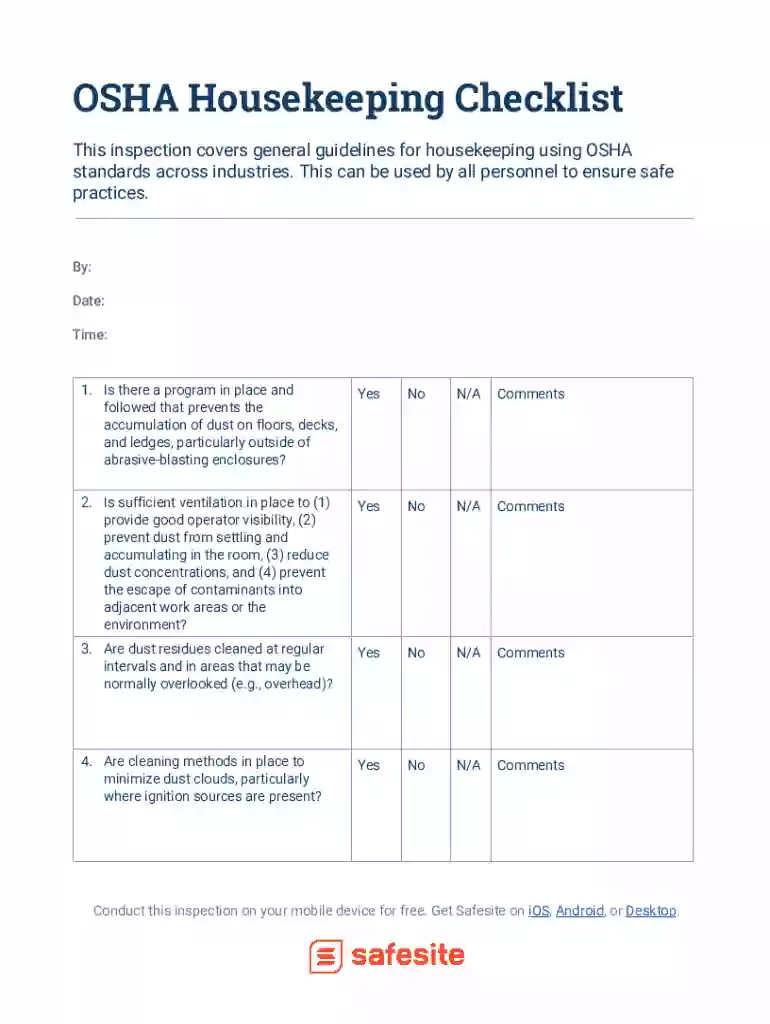
A housekeeping plan for a construction site is a document that outlines procedures and practices to maintain cleanliness and organization on a construction site. This plan is essential for ensuring safety, optimizing workflow, and minimizing risks associated with clutter or improperly stored materials. The PDF format allows the plan to be easily distributed and accessed by all relevant parties, ensuring consistent adherence to the guidelines.
- Purpose: A housekeeping plan aims to promote a safer work environment by reducing hazards such as tripping and falling.
- Scope: This plan encompasses all aspects of site maintenance, including waste management, storage of materials, and regular cleaning schedules.
Importance and Application
- Safety: A primary goal of the housekeeping plan is to enhance site safety by identifying potential hazards and outlining mitigation strategies.
- Efficiency: By keeping the site organized, workers can find tools and materials more quickly, boosting productivity.
- Compliance: Adhering to a formal housekeeping plan may be a requirement for industry certifications or legal compliance.
Key Elements of the Housekeeping Plan for Construction Site PDF
The housekeeping plan for construction sites is composed of several critical elements that guide the overall maintenance of the site.
- Cleaning Schedules: Regular cleaning routines to ensure clutter does not accumulate over time.
- Material Storage Guidelines: Instructions on how to safely store materials to prevent accidents and promote easy access.
- Waste Disposal Procedures: Detailed steps for the proper disposal of waste to limit environmental impact and comply with regulations.
- Safety Inspections: Frequent inspections to identify potential hazards and ensure adherence to the housekeeping plan.
Steps to Complete the Housekeeping Plan for Construction Site PDF
Filling out the housekeeping plan requires careful attention to detail.
- Download the PDF: Obtain the document from a reliable source, ensuring it is the most current version.
- Initial Review: Read through all sections of the document to understand the requirements fully.
- Input Site-Specific Details: Customize the plan with details specific to the construction site such as size, project type, and known risks.
- Assign Responsibilities: Identify team members responsible for executing different parts of the housekeeping plan.
- Set Cleaning and Inspection Schedules: Establish regular schedules to maintain site cleanliness and conduct inspections.
- Review and Approve: Have the plan reviewed by site management before implementation to ensure all aspects are covered.
Why Should You Use the Housekeeping Plan for Construction Site PDF
The use of a housekeeping plan is crucial for several reasons:
- Risk Reduction: By organizing and maintaining cleanliness, you reduce the potential for accidents and injuries on site.
- Compliance: Many regulatory bodies require construction sites to have a housekeeping plan to meet safety standards.
- Cost Efficiency: Reducing clutter and organizing the site can lead to less material wastage and save time locating materials or tools, resulting in cost savings.
- Increased Morale: A well-maintained site can improve worker morale and productivity by providing a safer and more comfortable work environment.
Who Typically Uses the Housekeeping Plan for Construction Site PDF
This document is used by a variety of stakeholders involved in construction projects.

- Site Managers: Responsible for overseeing daily operations and ensuring the plan is followed.
- Safety Officers: Conduct regular inspections and risk assessments to enforce compliance with safety guidelines.
- Construction Workers: Adhere to the housekeeping plan to maintain site safety and efficiency.
- Project Owners: Utilize the plan to assess site organization and compliance with industry standards.
How to Obtain the Housekeeping Plan for Construction Site PDF
Obtaining a robust housekeeping plan is straightforward, with several methods available.
- Construction Associations: Many organizations offer templates or guidelines to their members.
- Government Websites: Regulatory bodies often provide templates to help sites comply with local laws.
- Professional Consultants: Hiring a consultant can offer custom-tailored plans that suit specific site needs.
- Online Platforms: Download templates or purchase interactive PDF versions from trusted sources online.
Legal Use of the Housekeeping Plan for Construction Site PDF
Ensuring the legal compliance of a housekeeping plan is crucial to avoid potential penalties.
- Regulations: Must comply with Occupational Safety and Health Administration (OSHA) and other local regulatory guidelines.
- Documentation: Properly documented housekeeping plans can serve as evidence of compliance during audits.
- Insurance: Many insurers may require a housekeeping plan as part of coverage agreements under risk management.
State-Specific Rules for the Housekeeping Plan for Construction Site PDF
Different states in the U.S. may have additional rules or modifications related to construction site housekeeping.
- State-Specific Codes: Each state may have particular safety codes that must be referenced in the housekeeping plan.
- Licensing Requirements: In some states, specific staff licenses might be required to oversee housekeeping compliance.
- Local Environmental Guidelines: Waste disposal and material storage may need to comply with local environmental protection laws.
Understanding these critical aspects of a housekeeping plan ensures comprehensive site management and adherence to safety standards. By meticulously implementing a well-defined plan, construction sites can achieve higher safety, efficiency, and compliance.